Why Action Cameras Still Beat Smartphones for Real Adventures

Finn Mercer
February 25, 2026
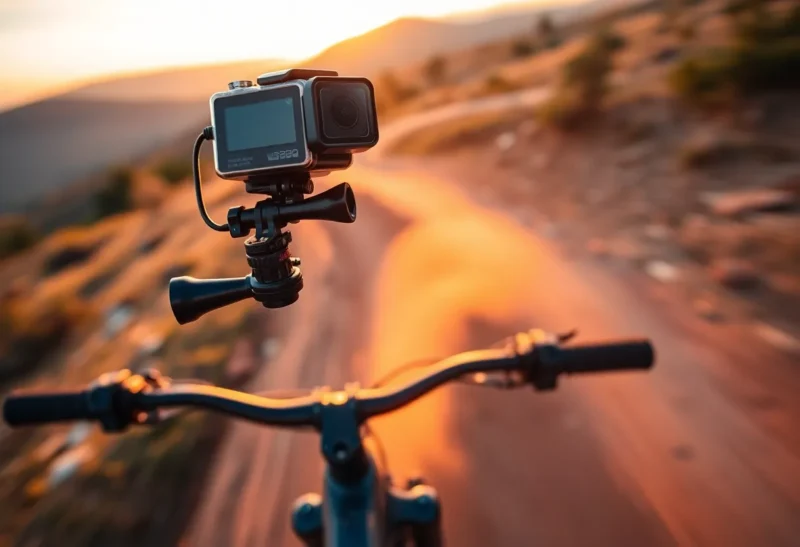
Your phone can shoot 4K. It has computational photography, night mode, and a lens array that would have been unthinkable a decade ago. So when you’re heading out for a hike, a bike ride, or a day on the water, the obvious choice is to just use your smartphone, right? Not so fast. For real adventures—the kind where you’re moving, getting wet, or bouncing around—action cameras still deliver something your phone simply can’t.
The Phone in Your Pocket Wasn’t Built for This
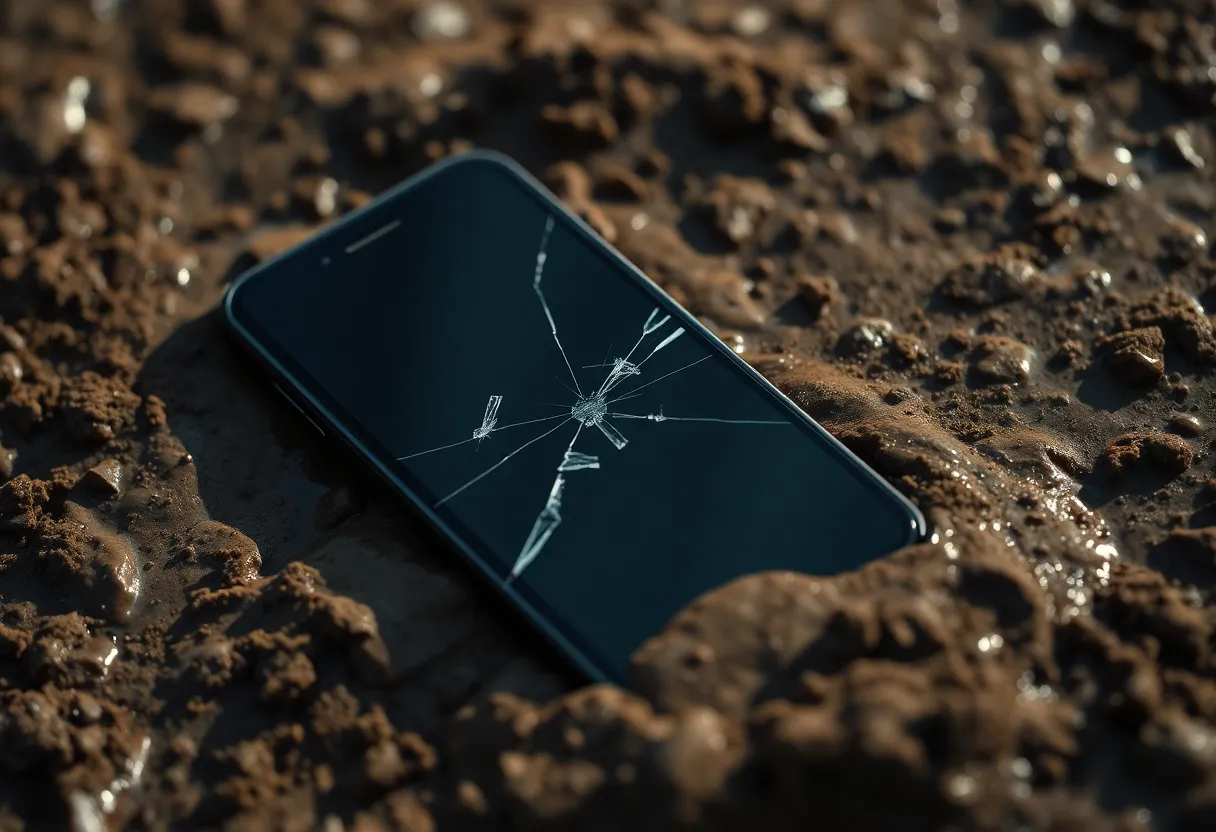
Smartphones are marvels of engineering, but they’re designed for a specific use case: stable, dry, well-lit environments. The moment you leave that comfort zone, the compromises show up. One drop onto rocks, one splash from a wave, one tumble from a handlebar mount, and you’re not just losing your footage—you’re losing your communication device, your maps, and your emergency contact with the world.
Action cameras, by contrast, are built to take a beating. They’re housed in waterproof, shock-resistant bodies. You can mount them on your helmet, your bike, your kayak, or your wrist and forget about them. If they fall, they’re built to survive. If they get wet, that’s the point. That peace of mind isn’t a small thing when you’re halfway down a trail or out on open water.
Stability and Mounts Change Everything
Handheld phone footage from a moving bike or a running trail is shaky at best and unwatchable at worst. Action cameras are designed to be mounted. Chest mounts, helmet mounts, handlebar mounts, and pole mounts keep the camera stable relative to your body or your vehicle. The result is smooth, immersive footage that actually captures the experience instead of a nauseating blur.
That stability isn’t just about comfort—it’s about what you can do with the footage afterward. Smooth footage is editable footage. You can cut it, speed it up, and layer it with music without making your audience seasick. Phone footage from the same activity often ends up in the trash because no amount of software stabilization can fix a camera that’s flopping around in your hand.
Battery and Durability When It Matters
On an all-day adventure, your phone’s battery is precious. You need it for navigation, for emergencies, for staying in touch. Burning through that battery to shoot video means you’re trading safety and utility for footage. Action cameras use smaller, dedicated batteries that you can swap out. Carry a couple of spares and you’re good for a full day of recording without touching your phone’s charge.
Temperature is another factor. Phones throttle and shut down in extreme cold or heat; they’re not designed to run at full tilt in a snowstorm or on a desert trail. Action cameras are built for a wider operating range. When you’re in conditions that would make your phone complain or die, a good action camera keeps rolling.
Wide Angles and the “Being There” Feel
Action cameras typically use wide-angle or ultra-wide lenses. That’s not an accident. When you’re moving through a landscape or riding a trail, a narrow field of view misses the context—the sky, the path ahead, the environment around you. Wide angles pull the viewer into the scene. They’re not just recording an event; they’re approximating what it felt like to be there.
Smartphones have added ultra-wide options in recent years, but they’re still secondary lenses with smaller sensors and more distortion. On an action camera, the wide angle is the default, and the optics are tuned for it. The difference shows in the final image.
When the Phone Still Wins
None of this means you should leave your phone at home. For static shots, for vlogging to camera, for low-light scenes where computational photography shines, the phone is often the better tool. For quick snaps and social posts where absolute quality matters less than convenience, the phone wins. The point isn’t to replace your phone—it’s to add the right tool when the activity demands it.
If your idea of adventure is a walk in the park or a coffee shop in a new city, your phone is enough. If you’re mountain biking, kayaking, skiing, or doing anything where you’re moving fast, getting wet, or risking a drop, an action camera will give you better footage and keep your phone safe for the things only a phone can do.
The Bottom Line
Action cameras fill a gap that smartphones still haven’t closed: durable, mountable, all-day video capture in conditions where your phone would be at risk or run out of juice. They’re not obsolete; they’re specialized. For real adventures, that specialization is still worth it.