By 2026 the Android-vs-iOS debate has cooled in some ways—both platforms are fast, both have good cameras, both get years of updates. The flame wars of the 2010s feel outdated. But the gaps that remain aren’t trivial. They’re the ones that still dictate which phone fits your life: ecosystem lock-in, privacy and control, hardware choice, and the quality of the software that isn’t made by Apple or Google. Here’s where the two platforms still meaningfully diverge.
Ecosystem and Lock-In
iOS and the Apple ecosystem are built to keep you in. iMessage, FaceTime, AirDrop, Handoff, and the way the Watch and Mac tie in—they all work best when everything you own is Apple. If you leave, you lose the blue bubbles, the seamless handoff, and the shared clipboard. Android doesn’t have an equivalent single-vendor story. You get Google services (Gmail, Drive, Photos, Meet) and maybe Samsung or Pixel extras, but the experience is more fragmented. That can mean more flexibility—you can swap launchers, default apps, and even OEMs without losing as much—but it also means no one company is incentivized to make the “everything just works together” pitch as tightly as Apple does.
The gap: if you care about a unified ecosystem and you’re willing to pay for it, iOS still wins. If you want to mix and match devices and services, Android (and the broader Google ecosystem) gives you more room. That gap hasn’t closed; it’s a design choice, not a bug.
Privacy and Control
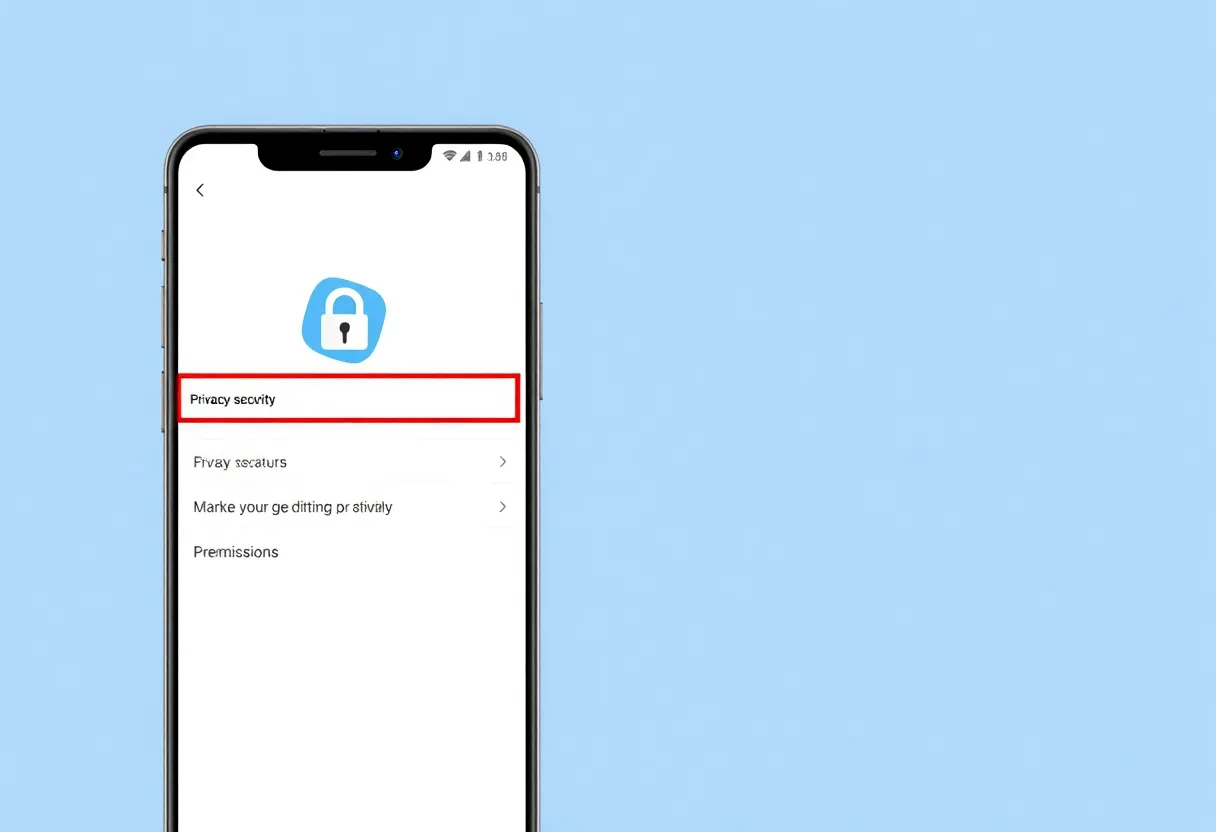
Apple has pushed privacy as a differentiator for years: App Tracking Transparency, on-device processing, and the “what happens on your iPhone stays on your iPhone” message. In practice, that means more control over which apps can track you and a clearer story about where your data goes. Android has improved—Google Play has stricter policies, and you can lock down permissions—but the baseline is still more permissive. More apps assume they can collect and share data; more of the system is tied to Google’s services. If you want to minimize tracking and keep as much as possible on-device, iOS is still the default recommendation. If you’re comfortable with Google’s model and you like the flexibility to sideload or use alternative app stores, Android gives you that at the cost of a messier privacy story.
Regulation is narrowing the gap. Both platforms are under pressure to allow third-party app stores and more user choice. How that plays out by 2026 will depend on where you live—EU users already see different options than US users—but the core tradeoff remains: Apple offers a more curated, privacy-forward default; Android offers more openness and more responsibility on the user.
Hardware Choice and Value
Android wins on variety. You can buy a $200 phone or a $1,200 foldable; you can choose size, battery, stylus, or a physical keyboard. iOS is a narrow range of form factors and price points. If you want something Apple doesn’t make—a small flagship, a true budget device, or a foldable—you’re on Android. If you want the same experience and support across a few carefully defined products, iOS is it.
Value is trickier. iPhones hold their resale value and get long software support. Android has improved—many flagships now promise seven years of updates—but the used market and the long tail of low-end devices are still messier. For “I want this phone to last and be worth something in five years,” iOS still has an edge. For “I want the most phone for the least money right now,” Android has more options.
Software Beyond the Platform
App quality and availability have largely converged. Most big apps ship on both platforms; the days of “iPhone first, Android eventually” are mostly over. The remaining gaps are in niche or regional apps, some professional tools, and the odd game or accessory that’s still iOS-only. On the other side, Android still has better support for alternative app stores, sideloading, and system-level customization—themes, automation, default apps—that iOS only recently started to allow in limited ways.
The Bottom Line
In 2026 the choice isn’t about which platform is “better.” It’s about which set of tradeoffs you want. iOS: stronger ecosystem cohesion, a clearer privacy story, and a narrow but polished hardware lineup. Android: more hardware choice, more flexibility in how you use the device, and a more open—but less curated—experience. The gaps that still matter are the ones that map to how you live: who you message, what you want from privacy, and whether you prefer one integrated story or the freedom to assemble your own.