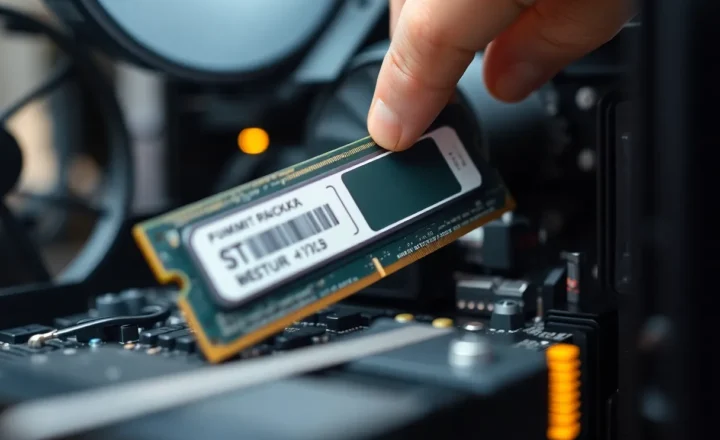
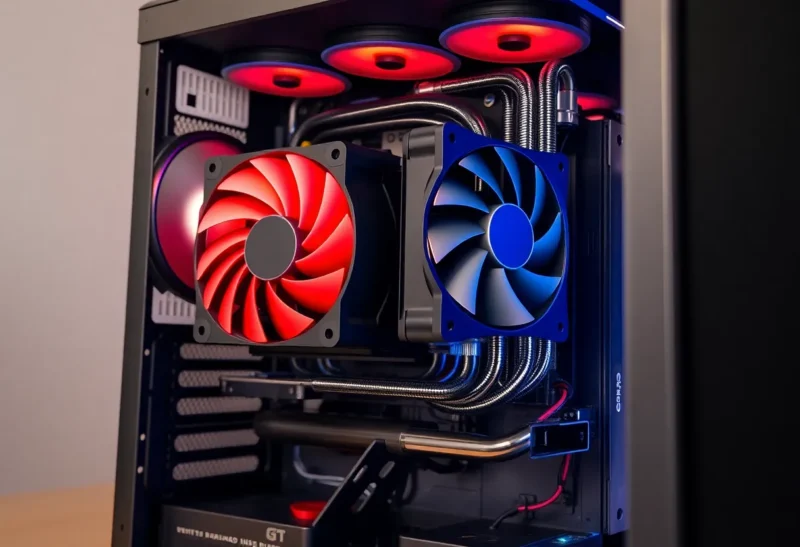
Liquid cooling looks impressive. Custom loops, AIOs, tubes and reservoirs—they suggest serious performance. For most people building or buying a PC, though, liquid cooling is still overkill. A good air cooler is cheaper, simpler, and more than enough. Here’s why.
Air Coolers Have Caught Up
Modern tower air coolers are very good. A solid dual-tower heatsink with a decent fan can handle high-wattage CPUs without breaking a sweat. Thermal limits on today’s chips are often about power delivery and silicon, not whether you chose air or liquid. So for typical gaming and productivity workloads—and even for many content-creation and development builds—a well-chosen air cooler keeps temps in a safe, quiet range. You don’t need a 360 mm AIO or a custom loop to run a mid-range or even high-end CPU at stock or mild overclock. The gap between “good air” and “entry liquid” has narrowed enough that the extra cost and complexity of liquid often don’t buy you much.
Liquid Adds Cost and Failure Modes
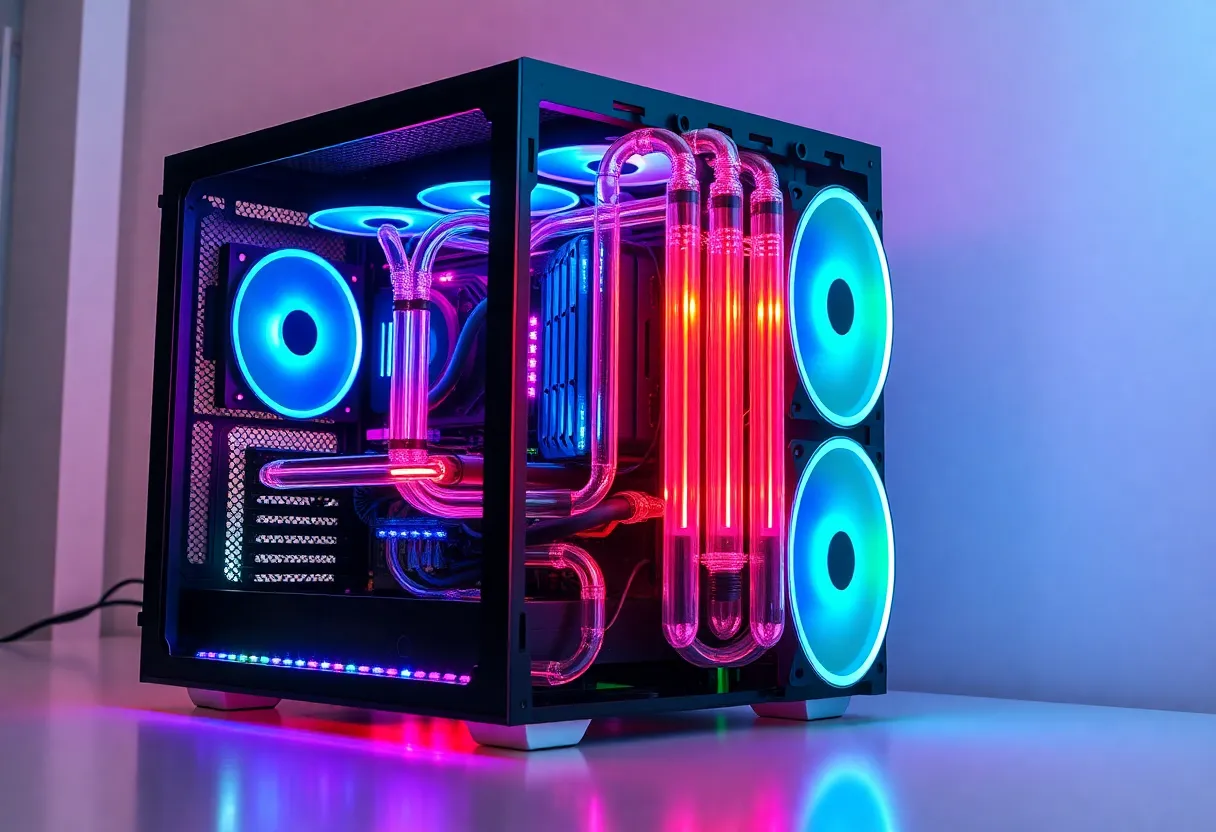
All-in-one (AIO) liquid coolers are sealed, so you don’t fill or maintain them—but they still have pumps that can fail and tubing that can leak (rare, but it happens). Custom loops are a project: you’re buying a pump, reservoir, blocks, tubing, and coolant, and you’re responsible for maintenance and occasional refills. If something goes wrong, you’re not just replacing a fan; you’re debugging a loop or an AIO that’s out of warranty. Air coolers have one moving part per fan. They’re dumb, reliable, and easy to swap. For most users, that’s a better trade-off than a few extra degrees under load.
When Liquid Actually Makes Sense
Liquid cooling starts to make sense when you’re pushing extreme overclocks, running a very hot chip in a tight case with poor airflow, or you simply want the aesthetic and you’re willing to pay for it. Some small-form-factor builds benefit from an AIO because there isn’t room for a big tower. And if you’re building a showpiece and you enjoy the process, a custom loop can be a fun project. But “I want the best” or “I heard liquid is better” isn’t enough reason for most people. The best cooling is the one that meets your thermal and noise goals with the least hassle. For a lot of builds, that’s air.
Noise and Longevity
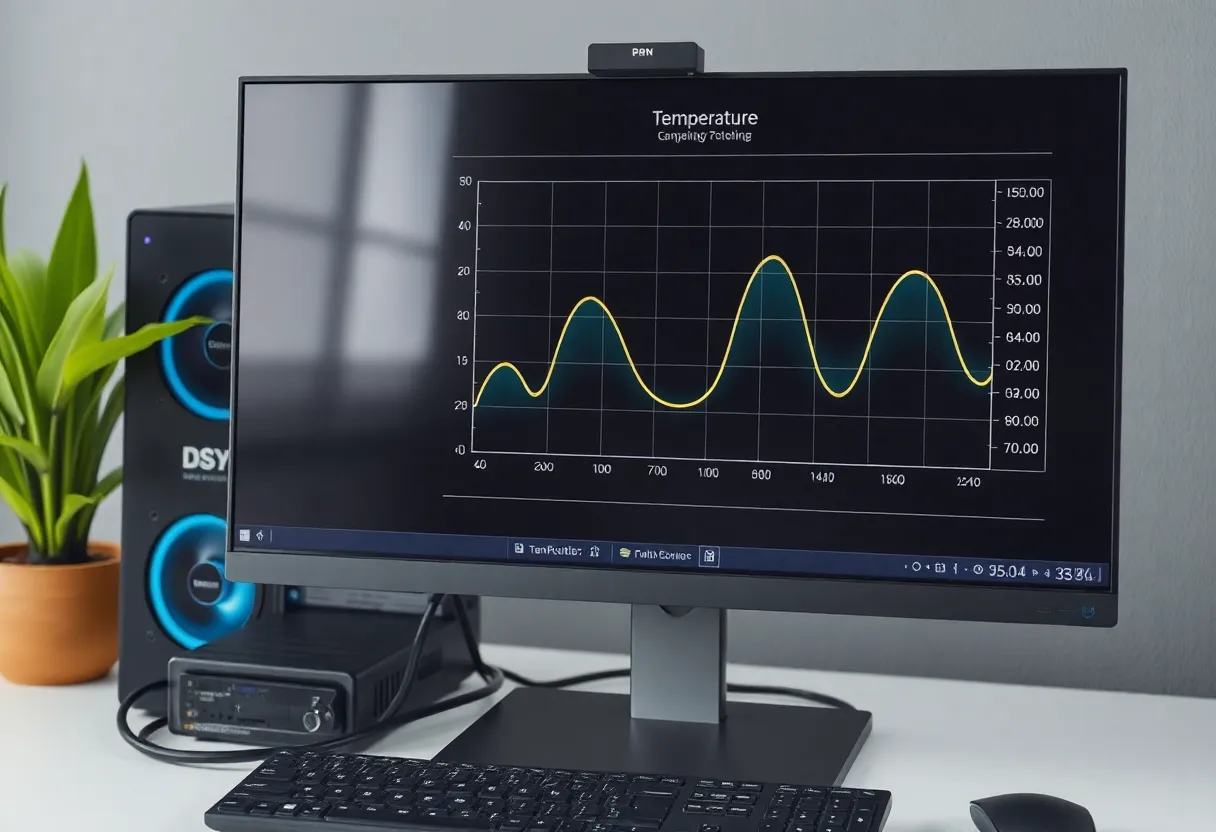
Liquid coolers have pumps, which add a constant low-level noise that some people find annoying. A good air cooler with a quality fan can be very quiet under load and silent at idle. And air coolers don’t have a fixed lifespan the way AIO pumps do—many builders have run the same tower cooler for a decade across multiple builds. So if you care about long-term reliability and simple acoustics, air often wins.
What to Buy If You Go Air
For most CPUs, a single-tower or dual-tower cooler in the mid-range price bracket is enough. Look for something with good reviews for your socket and a TDP rating that matches or exceeds your CPU. You don’t need the absolute biggest heatsink on the market—just one that’s appropriately sized for your case and your chip. Pair it with a case that has decent airflow (front intake, rear exhaust), and you’re set. The “default to liquid” habit comes from marketing and from high-end builds; for the majority of desktops, air is the sensible default.
The Bottom Line
Liquid cooling is still overkill for most builds. A good air cooler is enough for the majority of CPUs and use cases, and it’s cheaper, simpler, and more reliable. Choose liquid when you have a specific need—extreme overclocking, cramped SFF, or you just want the look—not by default. Your wallet and your future self will thank you.