E-scooters, e-bikes, and shared bikes have exploded in cities. They’re cheap, flexible, and often fun. But “replace your car” they are not—not yet. Advocates sometimes talk as if micromobility is one step away from making the private car obsolete; skeptics dismiss it as a fad. The truth is in between: micromobility is real progress and it’s already shifting how people move in urban cores, but it still falls short of being a full car replacement for most people. Here’s why.
Where Micromobility Wins
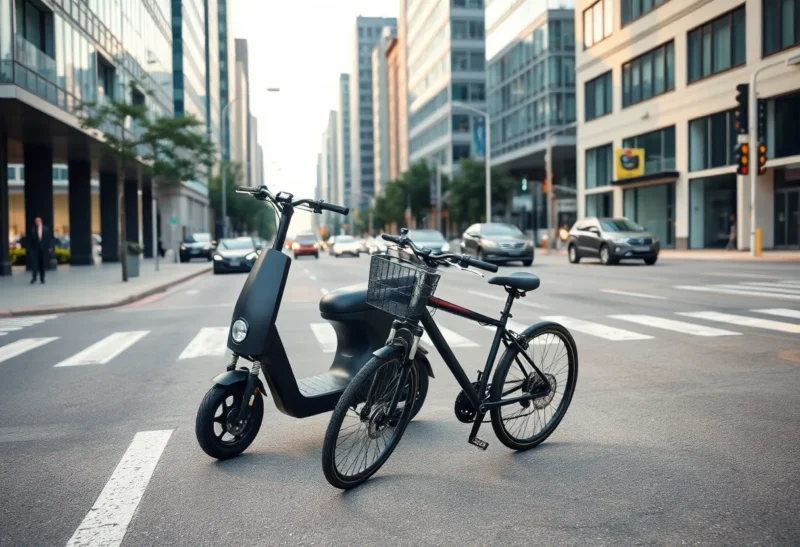
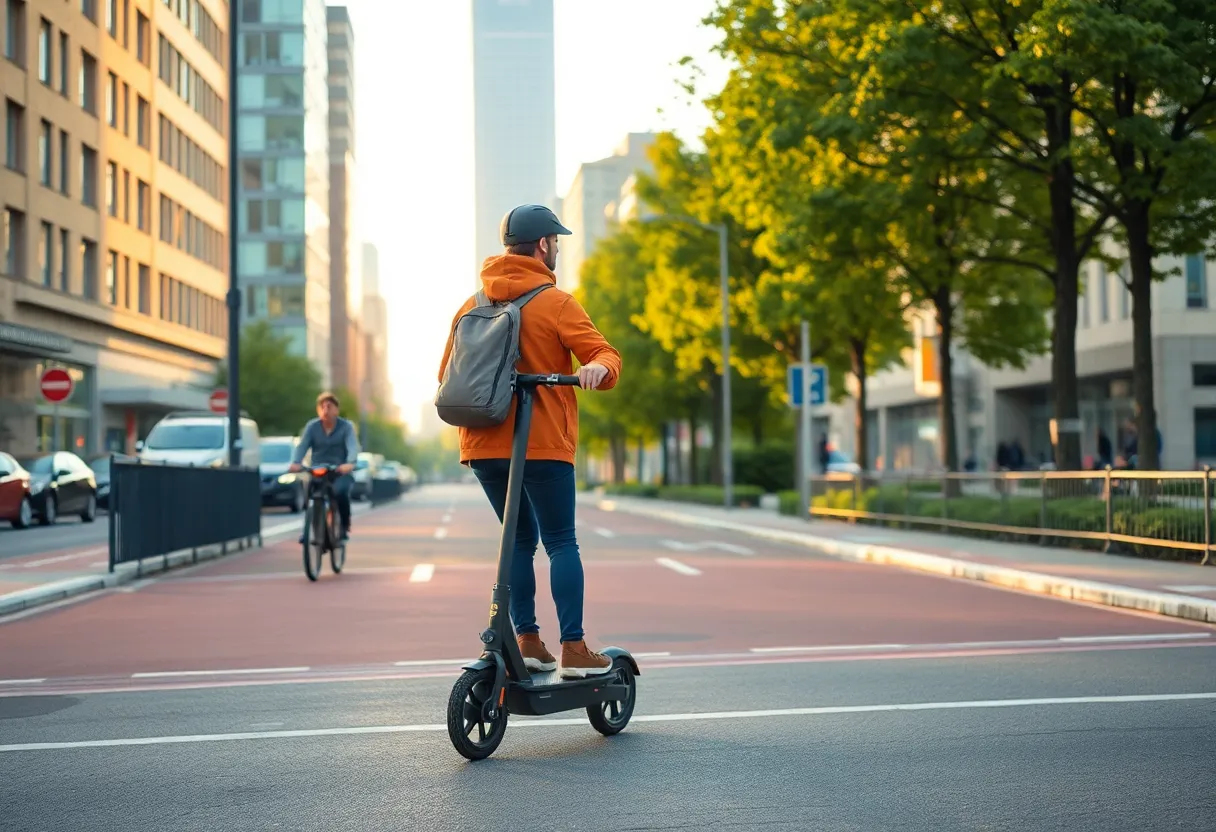
For short trips in dense areas—last mile from transit, a few blocks to lunch, a quick errand—scooters and bikes are hard to beat. They’re faster than walking, avoid traffic and parking, and cost less than a ride-share. Cities that have added lanes and parking for them have seen mode shift: some car trips become micromobility trips. That’s a win for congestion and emissions. Shared and owned e-bikes and e-scooters have grown fast in Europe and the US; in some cities they’re a normal part of the transport mix. So micromobility is already replacing some car trips, especially in urban cores. The “yet” in “won’t replace your car (yet)” is about the rest: the school run, the grocery haul, the rainy day, the trip to see family across town. For those, most people still reach for the car. The data backs that up—micromobility’s share of trips is rising, but car ownership and car trips remain high. So we’re in a transition, not a flip.
Weather, Cargo, and Distance
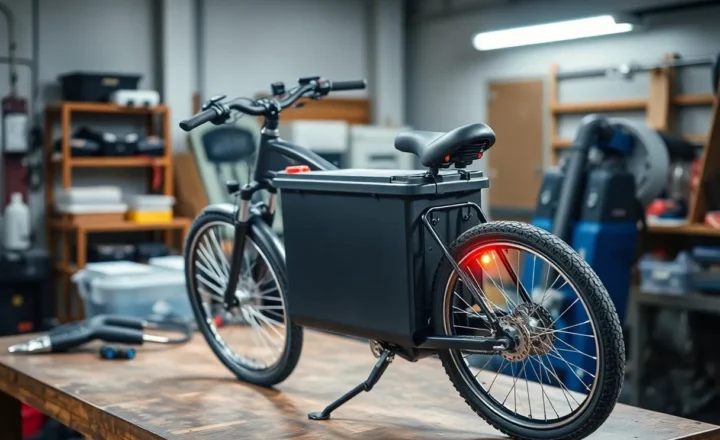
Micromobility is fair-weather and light-cargo by nature. You’re exposed to rain, cold, and heat. You can’t carry a week’s groceries or a kid and a backpack. And beyond a few miles, scooters and bikes get uncomfortable or run out of range. So micromobility works best as a complement: first/last mile, short urban hops, and “I don’t need the car today” trips. For many households, the car stays for the trips that micromobility can’t handle. Cargo e-bikes and trikes are improving—they can replace a car for some grocery and school runs—but they’re still a niche. Until we get better all-weather options (covered or enclosed light vehicles are in development but not mainstream), more cargo capacity, and infrastructure that makes longer micromobility trips feel safe and practical, the car remains the default for a lot of travel. That’s not a knock on micromobility; it’s just the physics and sociology of how people actually live.
Infrastructure and Safety
Where there are dedicated lanes and safe parking, micromobility thrives. Where riders mix with fast traffic or sidewalks, it’s dangerous and unpopular. So the limit isn’t just the vehicle—it’s the street. Cities that invest in protected lanes and curb space see more adoption; those that don’t cap out. Safety also matters for perception: if people don’t feel safe on a scooter or bike, they won’t switch. So “replace your car” would require a much bigger infrastructure push: not just scooters everywhere, but streets redesigned so that micromobility is a comfortable, obvious choice. We’re not there in most places. In the US especially, many cities have only begun to reallocate space from cars to bikes and scooters. Until that shift is deeper, micromobility will remain an option for the bold and the young rather than a default for everyone. Regulation matters too: helmet rules, speed limits, and parking rules vary by city and affect how appealing micromobility feels. So infrastructure and policy are enablers—and in most cities they’re still lagging.
Economics and Behavior
Owning a car is expensive; using a scooter for a 15-minute trip is cheap. But car ownership is sunk cost for many: the car is already there, so the marginal cost of a short trip is low. Micromobility has to win on convenience and experience, not just price. And for suburban and rural areas, micromobility often doesn’t exist or doesn’t make sense—distances are too long, density too low. So “won’t replace your car (yet)” is also about where you live and how you’re wired. In the suburbs, the car is still central; micromobility is an urban and inner-suburb story.
What Would Have to Change
For micromobility to replace the car for more people, we’d need: better all-weather and cargo options (e.g. covered or enclosed light vehicles, cargo e-bikes as a norm), more and safer infrastructure, and land use that keeps more trips short. Policy could help—congestion pricing, less free parking, and investment in lanes and parking for micromobility. So “yet” is the right word: the trend is toward more and better options, but we’re not at “leave the car at home for good” for most households. In the meantime, micromobility is doing what it’s good at—taking a slice of urban trips and making cities a bit less car-dependent. That’s worth having even if it’s not a full replacement. The right question for most people isn’t “can I get rid of my car?” but “how many of my trips can I do without it?” For city dwellers, that number can be high; for suburban and rural residents, it’s lower. Micromobility raises the number where it’s available and safe—and that’s progress, even if the car isn’t going away tomorrow.
Bottom Line
Micromobility won’t replace your car yet because of weather, cargo, distance, infrastructure, and where most people live. But it’s already replacing some car trips in cities and can do more as infrastructure and vehicle design improve. The right frame isn’t “scooters vs. cars”—it’s “how much of my travel can move to micromobility so I need the car less.” For a lot of people, that’s a growing slice. Just not the whole pie.