Supernote Digest vs Kindle Notebook Export: Getting Handwriting Into a Vault You Own

Iris Bent
August 25, 2026
Obsidian, Logseq, a git folder of markdown: the vault is the system of record. The e-ink tablet is a mouth. The question is whether the mouth can spit a file you will still recognize in 2032. Supernote’s digest feature and Kindle Scribe’s notebook export both claim to turn handwriting into something a computer can hold. They do not produce the same object. One is closer to notes. One is closer to a photocopy with a cover letter from Amazon.
I do not want another cloud. I want a dated file in a folder I back up. That standard is how I judge both pipelines. Pretty handwriting on the tablet does not count. Searchable text in a vault counts. A PDF I can open without an account counts. A proprietary notebook that only the vendor’s app understands does not.
What Digest is actually for
Supernote Digest is a way to mark a passage and collect it. You star, you keyword, you pull a digest of the marks. The fantasy is a commonplace book that exports. The reality is better than Kindle and still not a markdown graph. You get text if the handwriting was clean and the recognition agreed with you. You get images of strokes if it did not. You get a structure that is more “anthology” than “atomic note.”
That anthology is useful. I digest meeting decisions and I dump the text into a daily note. I do not digest a whole essay and expect backlinks. The feature is a highlighter with an export, not an outliner. People who treat Digest like Roam will be sad. People who treat it like a commonplace book will be fine.
What Kindle notebook export is actually for
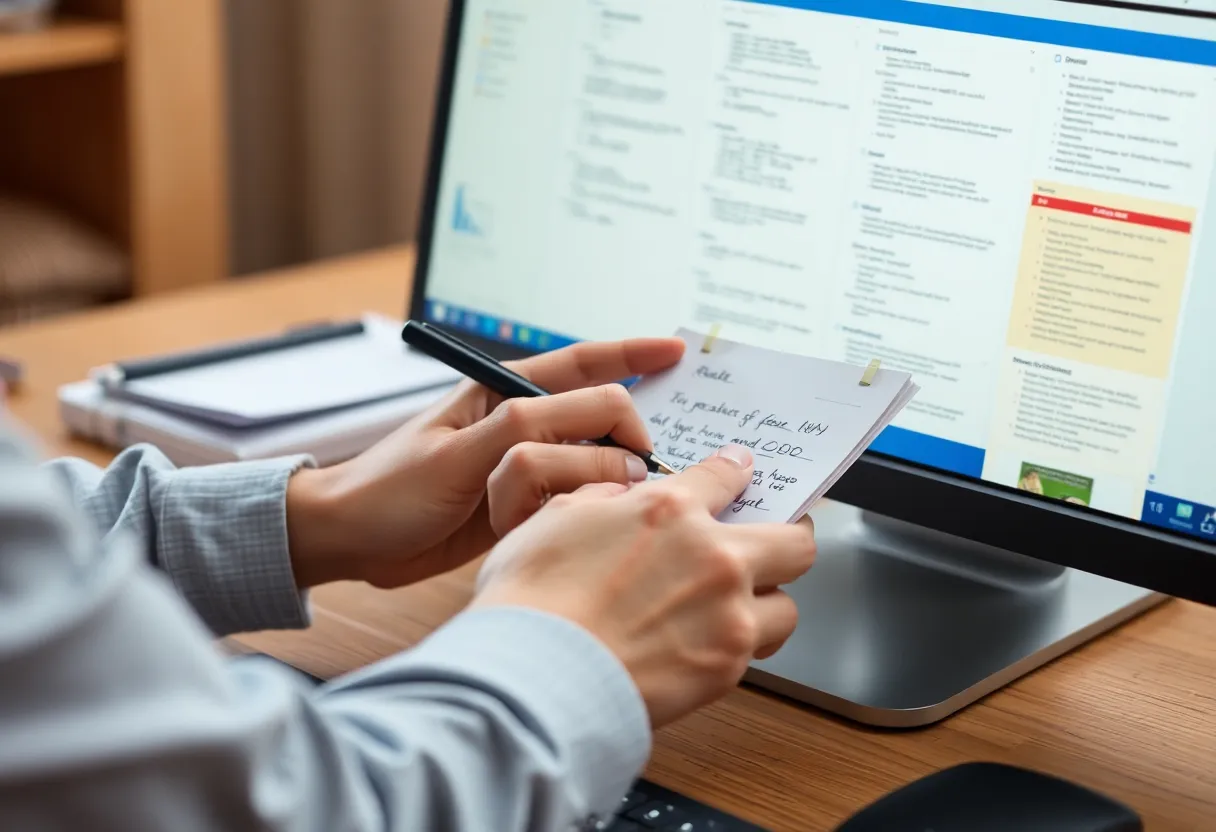
Kindle wants the notebook to live near the store. Export is a courtesy: send to yourself, a PDF, a format that has changed names and quality. Recognition exists and is a weather report. I have received a useful text layer and I have received a scan of my own mess. The file often feels like a document Amazon produced about my notes, not the notes themselves.
If the notebook was annotations on a Kindle book, the legal and practical story is worse. The book is licensed. The marks are yours in spirit and Amazon’s in plumbing. I do not build a vault on highlights of books I might lose access to. I build a vault on words I typed or wrote in a notebook I created. Personal notebooks export more honestly than book markup. Still not a first-class markdown file.
The vault test I run
Same as a backup restore. I export one notebook. I copy the file to a machine that is not logged into Ratta or Amazon. I open it. I ask: can I search a phrase I remember writing? Can I quote two sentences without screenshotting? If the answer is no, the tablet is a paperweight with a backlight. I still keep the PDF as a picture of the thought. I do not pretend the picture is the vault.
Supernote passes this test more often when I write like a teacher: large, lined, one idea per digest mark. Kindle passes when I keep the notebook short and I export the same day. Waiting a month is how both vendors’ paths drift. Software seasons change the button. The vault does not care about the button. It cares about the file you already have.
Recognition: the polite liar
Handwriting OCR is a compliment when it works and a vandal when it almost works. An almost-right word is worse than an image. I paste Digest text into the vault and I read it once. I do not trust it for dosages, dollar amounts, or names. Kindle’s text layer gets the same distrust. If the number matters, I type it on a keyboard. The tablet is for thinking, not for the one string that must be correct.
I keep a convention: a note that has been human-verified gets a tag. Unverified dumps go in an inbox folder. Inbox zero for OCR is a hobby I do not have. Weekly, I empty five items. The rest can stay pictures.
Links, titles, and the filename
Supernote’s titles and keywords survive export more usefully than Kindle’s untitled “Notebook.” I name notebooks like files before I write: 2026-08-q3-pricing. Digest collections get the same names. Kindle notebooks named “Notes” are how you get ten PDFs called Notes. The vault hates that. The tablet does not care.
Links between Supernote pages are a reason to stay in that ecosystem while you think. They do not become wiki-links on export unless you do the work. I do the work for two or three links per week, not for a graph. The graph is born in the vault. The tablet is allowed to be linear.
USB versus cloud as the pipe
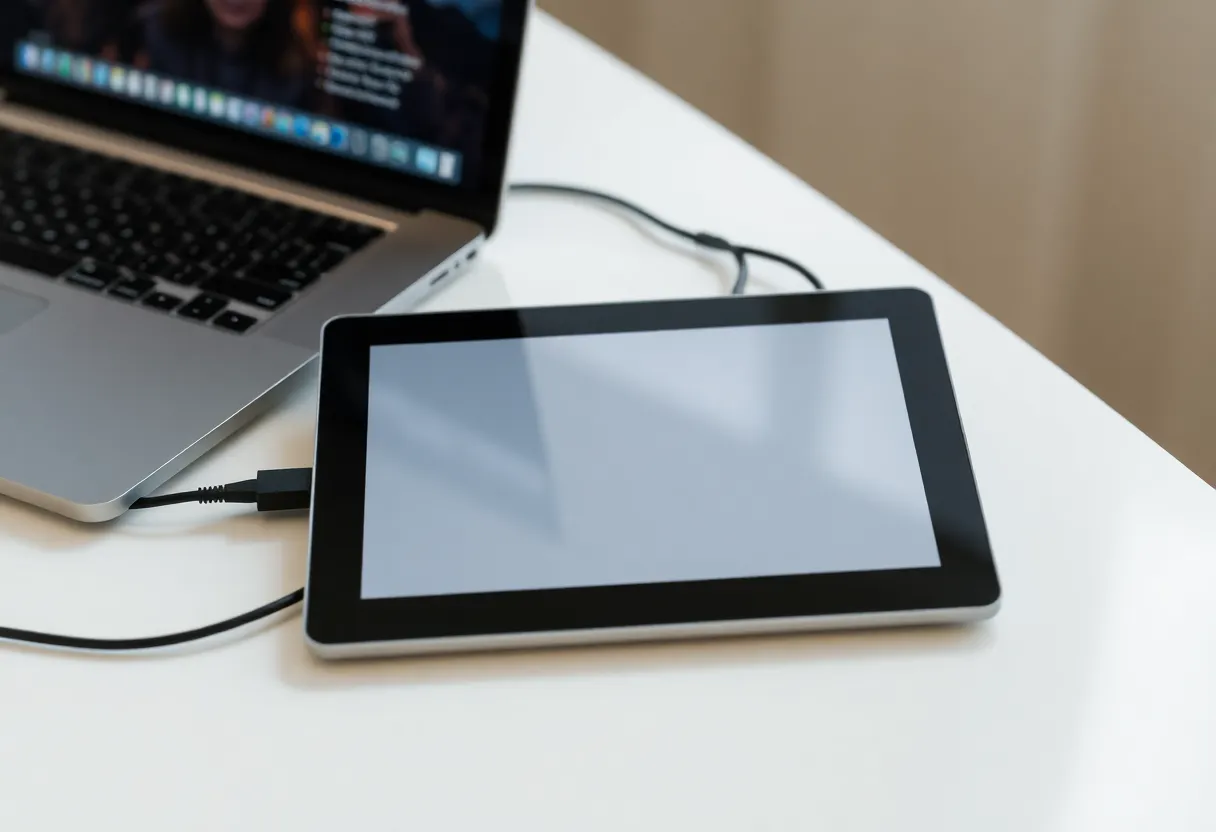
I prefer USB or a folder sync I control. Supernote can be a file citizen. Kindle can be a USB citizen if you insist, and a Send-to-yourself citizen if you are tired. Tired is how files land in Gmail, which is not a vault. I have a filter that files those emails and I still miss one. A dated folder on disk is louder than a label.
Partner clouds (Drive, Dropbox) are fine as a bus, not as the house. The house is the vault repo or the encrypted disk. If the bus dies, the last export is still there. If the house is the bus, you have a vendor.
Which mouth I keep
If the vault is the point, I would take Supernote and Digest over Scribe notebooks. The export is less of an argument. If the point is reading Kindle books and a journal on the side, I would take the Scribe and I would treat journal export as a monthly chore I will resent. Resentment is a cost. I budget it.
I would not use both as vault mouths. Two export dialects is how the vault gets a junk drawer. One tablet writes. The other, if it exists, only reads. That rule has saved me from a third notebook app.
Images versus text, and the PDF you should not worship
A PDF of handwriting is an archive of appearance. It is not an archive of meaning unless you will reread the pictures. I keep those PDFs in an eink-scans/ folder as evidence. The vault’s daily note gets the three sentences that matter. People who drop 40-page PDFs into Obsidian and call it processed are collecting. Collecting is allowed. It is not a second brain. It is a closet.
Digest that produces mixed text and image clips is honest. I keep the images when a diagram cannot be typed. I do not keep a photo of a paragraph I could have rewritten in twenty seconds. Rewrite is cheaper than OCR theater. I have spent longer correcting a paragraph than writing it. That is the polite liar’s tax.
Kindle’s export sometimes flattens layers I thought were comments. If you annotate in a way that depends on layers, export early and look. Supernote’s export has disappointed me less on layers and more on “the digest omitted a mark I was sure I made.” I mark fewer things. Scarcity helps the export. A page with twelve stars is a page that will not be processed.
Partners who want a shareable note get a markdown file I made, not a vendor PDF. The PDF is for me if I need the handwriting’s shape. Sharing the vendor PDF teaches them to need the vendor. I do not want that culture in a project folder.
A workflow that survives the vendor
Write. Title like a file. Digest or export the same week. Open on a logged-out machine. Paste verified text into a dated markdown file. Commit or copy to the backup disk. Delete nothing on the tablet until the file has been opened once. That last step is the one people skip. They trust the cloud checkmark. The checkmark is not a vault. I have lost a week of marks to a “successful” send that never arrived. The logged-out open would have caught it the same afternoon.
Supernote Digest is the less bad mouth. Kindle notebook export is a photocopy with better lighting than it used to have. Neither is Obsidian. The people who want Obsidian on e-ink will keep being offered a bus. Take the bus to the house. Do not sleep on the bus. The house is a folder with a name you chose, on a disk you can hold, with a sentence you actually wrote — even if you had to type the sentence again after the polite liar smiled. I type more than I used to. That is not a failure of e-ink. That is how a vault stays true when the tablet is only a mouth.