Why High-End Turntables Are Having an Unlikely Comeback With Younger Buyers

Futurion Editorial
July 9, 2026
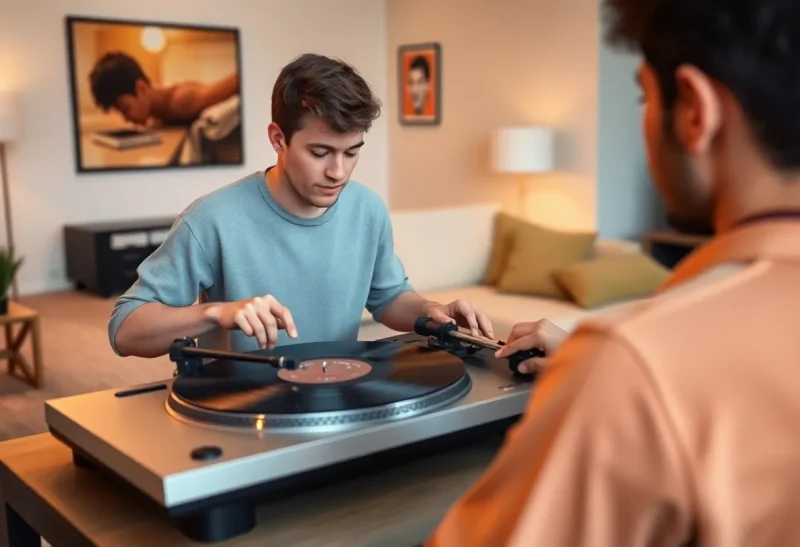
Vinyl’s broader sales resurgence over the past decade and a half has been well documented, but a more specific and, on its face, more surprising trend has emerged alongside it more recently: a genuine, sustained increase in younger buyers, many with no prior nostalgic connection to vinyl at all, specifically seeking out higher-end turntables and analog audio equipment, spending meaningfully more on this hobby than the entry-level record players that drove vinyl’s initial comeback among casual, mostly younger listeners a decade ago. Understanding why requires looking past the simple nostalgia explanation, since a genuine nostalgia-driven purchase doesn’t typically explain why people with no personal history with the format are willingly spending considerably more money on it than a basic streaming subscription would ever require.
Why the Initial Vinyl Revival and This Newer Trend Are Actually Different Phenomena
Vinyl’s initial resurgence, dating back roughly to the early 2010s, was driven substantially by a combination of genuine nostalgia among older listeners returning to a format from their youth, and a broader cultural and aesthetic interest among younger listeners drawn to vinyl’s physical, collectible object appeal and its association with a specific kind of curated music fandom, frequently satisfied by inexpensive, often low-fidelity all-in-one record players that prioritized affordability and convenience over genuine audio quality.
The more recent trend toward meaningfully higher-end turntable purchases represents a distinct evolution of that earlier interest rather than a continuation of the same buying pattern: audio industry analysts and retailers have specifically noted that a segment of vinyl’s younger buyer base, having spent several years engaged with the format through those earlier, more affordable entry points, has begun moving up toward genuinely higher-fidelity equipment as their engagement with and appreciation for the format has deepened, a maturation pattern that mirrors how enthusiasts in many hobby categories often progress from an accessible entry point toward more serious, higher-investment equipment once initial interest solidifies into a more sustained hobby.
Why Streaming’s Dominance May Actually Be Fueling This, Rather Than Undermining It
A genuinely counterintuitive but frequently cited explanation from industry observers is that the near-total dominance of on-demand streaming for casual, everyday music listening has, somewhat paradoxically, increased rather than decreased interest in physical, intentional listening formats like vinyl among a meaningful segment of younger listeners specifically because streaming’s infinite, frictionless catalog access has made music consumption feel disposable and passive for many listeners in a way that’s created genuine appetite for a counterbalancing experience: a format that requires deliberate physical engagement, discourages background listening through the inconvenience of manually flipping records, and rewards focused, singular attention to a specific album in a way streaming’s endless algorithmic recommendation flow generally doesn’t.
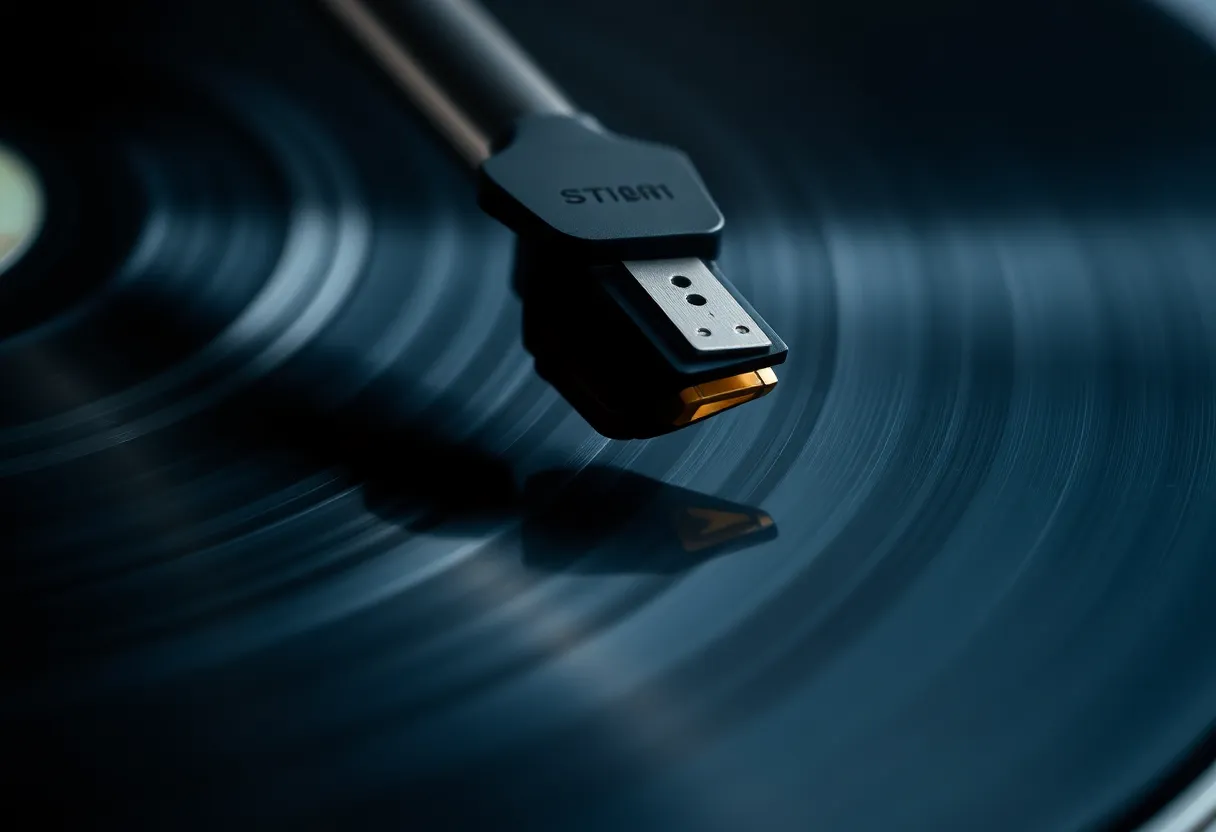
Higher-end turntables specifically tap into this desire more effectively than entry-level equipment, because meaningfully better audio fidelity gives this deliberate listening experience genuine, perceptible substance rather than just symbolic ritual, and younger buyers investing in better equipment have frequently described this pursuit of genuinely improved sound quality, once they’ve become invested enough in the format to notice and care about the difference, as a core part of what continues driving their spending further up the equipment quality ladder rather than remaining satisfied with the basic all-in-one players that served as their entry point.
The Social and Cultural Dimension That Retailers Have Specifically Noticed
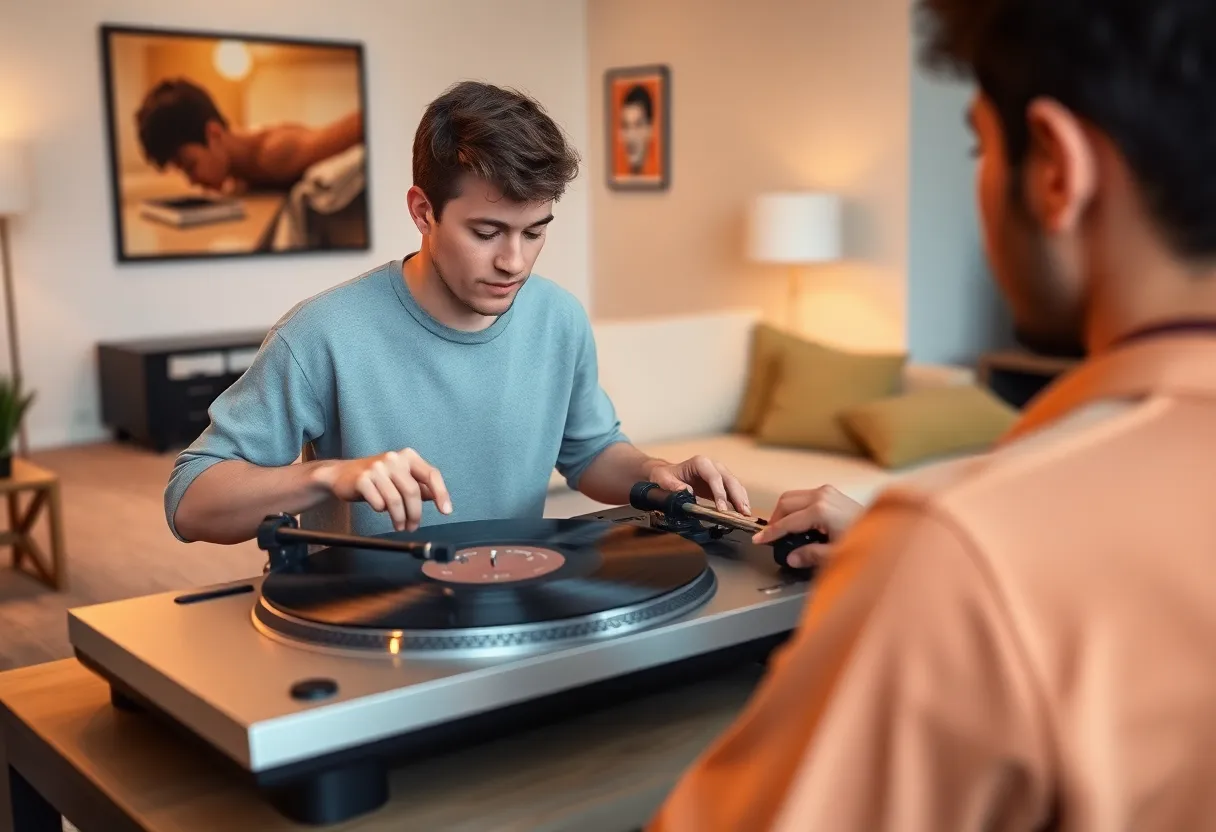
Audio equipment retailers and manufacturers serving this market have specifically pointed to social media, and short-form video platforms in particular, as a significant driver of this specific higher-end segment’s growth, since detailed unboxing, setup, and listening-session content showcasing higher-end turntable and analog audio equipment has become a genuinely popular content category among younger creators and audiences, giving this hobby a visible, aspirational social presence that a purely private listening activity like streaming from a phone simply doesn’t generate in the same way, and that visibility has plausibly normalized and encouraged a level of equipment investment among younger buyers that might otherwise have seemed like an unusual amount of money to spend on physical audio hardware in an era when free, unlimited streaming access is available to virtually everyone.
Why Manufacturers Have Actually Restructured Their Product Lines Around This
Established turntable and analog audio manufacturers, along with a number of newer companies entering the space specifically to serve this demographic shift, have responded to this trend by meaningfully expanding their mid-tier and higher-end product offerings, rather than treating the category as adequately served by their existing entry-level and legacy premium product lines alone. Several manufacturers have specifically cited younger buyer demand as a factor behind new product development explicitly targeting a price and feature point between the cheapest all-in-one players and the traditionally much more expensive audiophile-tier equipment that historically served an older, more established enthusiast base, effectively building out a new mid-tier market segment that didn’t have as much dedicated product attention a decade earlier, when the buyer base at this price point was considerably smaller.
Why This Trend Says Something Broader About How Younger Consumers Approach Hobbies
Beyond the specific vinyl and turntable market, industry analysts covering this trend have suggested it reflects a broader pattern in how a meaningful segment of younger consumers approach hobby spending generally: rather than treating physical media and hardware hobbies as inherently outdated relative to digital, subscription-based alternatives, a real subset of younger consumers has shown willingness to invest meaningfully in physical, tactile hobbies specifically because those hobbies offer a kind of intentional, effortful engagement that purely digital, frictionless alternatives don’t naturally provide, a pattern that shows up in adjacent hobby categories like film photography’s own parallel resurgence among younger enthusiasts and suggests analog audio’s comeback with younger, higher-spending buyers isn’t really an isolated nostalgia phenomenon so much as one visible example of this somewhat broader generational pattern.