Digital Identity in 2026: Passkeys, Wallets, and What Comes After Passwords

Lars Bergman
July 7, 2026
Passwords have been the dominant authentication mechanism for online accounts since the 1960s, and their limitations are well-documented: they’re reused, phished, breached, forgotten, and weak when humans choose them freely. The transition away from passwords has been discussed for most of this century. In 2026, that transition is actually happening—passkeys have achieved significant mainstream deployment, digital identity wallets are being rolled out at government scale, and the authentication landscape is meaningfully different from what it was three years ago.
What Passkeys Actually Are
Passkeys are the consumer name for FIDO2/WebAuthn credentials—a cryptographic standard for authentication developed by the FIDO Alliance and W3C. The underlying mechanism is public-key cryptography: when you create a passkey for a service, your device generates a key pair. The public key is stored by the service; the private key stays on your device and never leaves it. Authentication is performed by signing a challenge from the server with the private key—proof of possession of the private key, without ever transmitting it.
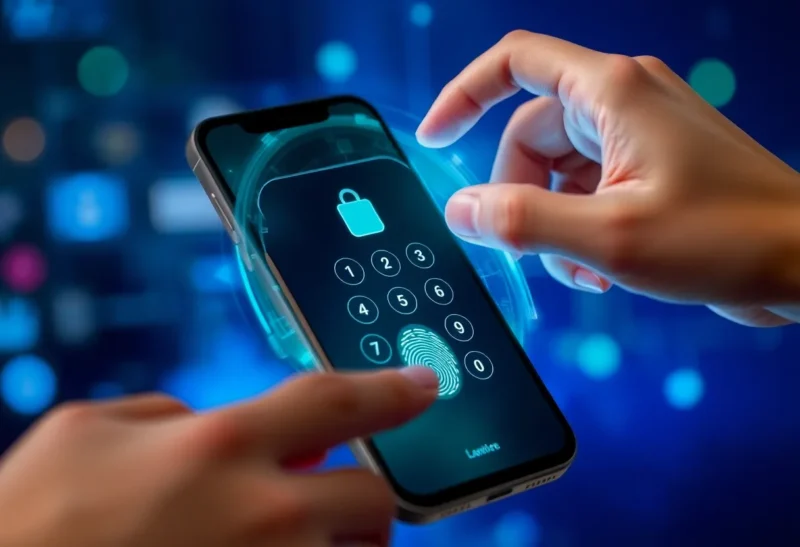
The user experience: on a device with biometrics (fingerprint reader, Face ID), creating and using a passkey involves a biometric gesture—the same friction as unlocking your phone. The cryptographic ceremony happens invisibly. You’re not entering or managing a secret string; you’re demonstrating possession of a device and proving your identity to that device via biometrics or PIN. The biometric verification never leaves the device—the server only receives a cryptographic signature, not biometric data.
The security advantages are concrete. Passkeys are resistant to phishing because the credential is bound to the specific domain for which it was created—a passkey created for google.com won’t work on g00gle.com. They’re immune to server-side credential database breaches because the private key never reaches the server. They’re immune to password reuse attacks because there’s no shared secret to reuse. They’re immune to credential stuffing because there’s no password to stuff.
Where Passkeys Are Deployed in 2026
Passkey adoption has moved from early adopter territory to mainstream deployment. Google, Apple, and Microsoft have integrated passkey support into their platforms (Android, iOS/macOS/Windows) and their own services (Google Account, Apple ID, Microsoft accounts). The major password manager ecosystem has adapted to store and sync passkeys: 1Password, Bitwarden, Dashlane, and Apple Keychain all support passkey storage and syncing.
High-traffic consumer services that have implemented passkey login: PayPal, eBay, Shopify, Best Buy, Best Buy, GitHub, Cloudflare, and dozens more. WhatsApp and other major apps have added passkey support. The FIDO Alliance’s adoption tracker shows hundreds of services supporting passkeys across consumer and enterprise categories.

The sync ecosystem has addressed the most significant practical concern: passkey loss when a device is replaced. Passkeys synced to iCloud Keychain, Google Password Manager, or a third-party password manager are accessible on any device authenticated to that account—roughly equivalent to how passwords work today, with the critical security improvement that there’s no password string to expose.
The Challenges That Remain
Passkey adoption is progressing but faces real friction points. The cross-platform experience—creating a passkey on an Apple device and then needing to use it on a Windows device without the Apple ecosystem—has improved with the introduction of QR-code-based cross-device flows, but it’s still more complex than using a password. Enterprise deployments face additional challenges around device management, account recovery, and integration with existing identity infrastructure.
Legacy systems remain a major constraint. The infrastructure of the internet includes enormous numbers of older services, internal enterprise systems, and government portals that support only password authentication. These won’t migrate quickly or uniformly. Passwords won’t disappear in the near term—the transition is better understood as new services defaulting to passkeys and gradual migration of existing services, rather than a flag-day switchover.
Digital Identity Wallets: The Government Credential Layer
A parallel development to passkeys is the emergence of government-issued digital identity infrastructure. The EU’s eIDAS 2.0 regulation requires all EU member states to make available European Digital Identity (EUDI) Wallets by 2026—smartphone apps that hold digitally signed government credentials: driver’s licences, national IDs, professional qualifications, university degrees, and other verified credentials. The EUDI Wallet can be used to prove identity online or in person, with selective disclosure—you can prove that you’re over 18 without revealing your date of birth, or prove you hold a professional licence without revealing your ID number.
The cryptographic mechanism for digital identity wallets uses Verifiable Credentials (VCs), a W3C standard for digitally signed, machine-readable credential documents, combined with Decentralised Identifiers (DIDs) or government PKI infrastructure. When you present a credential from a EUDI Wallet, the recipient can cryptographically verify that it was issued by the stated government authority and hasn’t been tampered with, without contacting the issuing authority in real time—the verification is done using the issuer’s published public key.
Several EU countries (Germany’s Bundesnusweis eID, Italy’s CIE, several Nordic eID systems) have had digital identity infrastructure for years; the EUDI Wallet mandate pushes toward pan-European interoperability. The US has seen state-level mobile driver’s licence (mDL) adoption—California, Arizona, Georgia, and others have ISO 18013-5 compliant mobile licences accepted by TSA at select airports—but lacks a federal digital identity standard.
The Privacy Dimension
Government digital identity systems raise legitimate privacy concerns. A centrally-issued credential wallet, if implemented without careful design, could enable tracking of where and how credentials are presented—creating a surveillance capability that physical documents don’t have. The EUDI Wallet specification includes provisions for privacy preservation: selective disclosure (share only what’s needed), no required government notification on credential presentation, and unlinkability provisions to prevent correlating presentations across different services.
Whether these technical provisions survive implementation across all member states and all use cases is a legitimate concern. The privacy design of the credential systems matters at least as much as the authentication security—both are necessary for a trustworthy identity infrastructure.
The Shape of What Comes Next
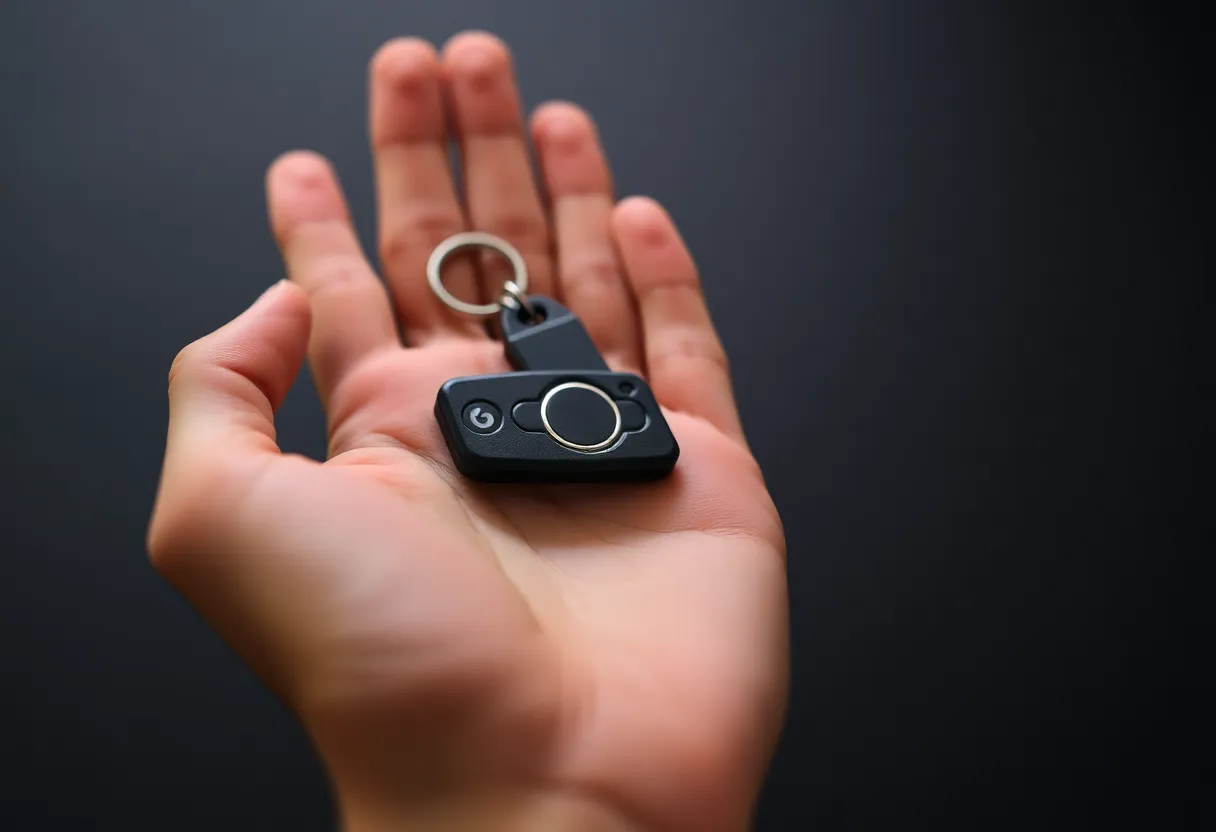
The authentication future being built in 2026 has passkeys as the standard login mechanism for most online services—replacing passwords for new accounts and gradually for existing ones. Government-issued digital credentials handle cases requiring verified real-world identity: age verification, professional licensing, legal identity for banking and government services. Hardware security keys (YubiKey and similar) remain the strongest option for high-value accounts where the security bar justifies the additional friction.
The password-dominated authentication model of 2020 is already becoming a legacy architecture. The transition isn’t instantaneous—large parts of the internet will be password-authenticated for years. But the direction is clear and the technical infrastructure for what replaces passwords is deployed and working at scale.