The Next 10 Years of Geek Culture: What Changes and What Stays

Blake Soto
February 24, 2026
Geek culture has gone from niche to mainstream. Comic books, games, and tech aren’t the preserve of a small club anymore—they’re global, commercial, and constantly evolving. So what happens in the next decade? What changes and what stays the same? Some trends are already visible; others are guesses. Here’s a read on both.
What Will Change
Media will keep fragmenting and re-aggregating. We’re past the era of “one big blockbuster everyone sees.” Streaming, games, and social content mean that “geek” culture is really dozens of subcultures—anime fans, retro gamers, MCU devotees, indie devs—each with its own canon and rituals. In 10 years we’ll have more of that: more niches, more ways to participate, and more overlap. The idea of “geek” as a single identity will matter less than “which communities do I belong to?” Fandom will be more plural and more global, with non-English and non-Western content continuing to rise.
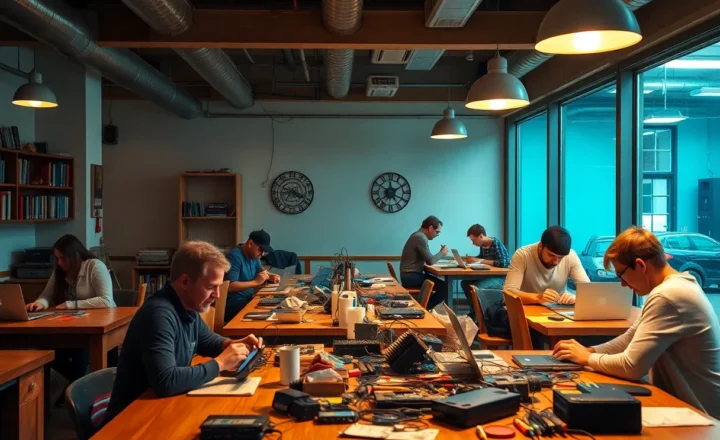
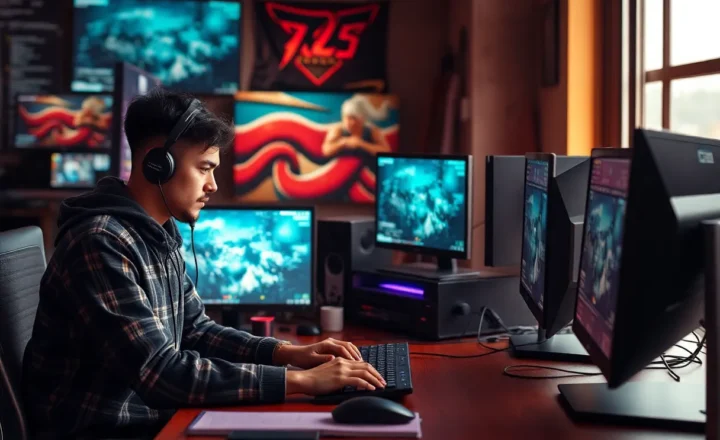
Tech and culture will blend further. Gaming, VR, and AR are already part of how people socialize and consume stories. In a decade, the line between “playing a game,” “watching a show,” and “hanging out in a virtual space” may be even fuzzier. Geek culture has always been participatory—fanfic, mods, cosplay—and the tools for participation will get richer. Creating and remixing will be as normal as consuming.
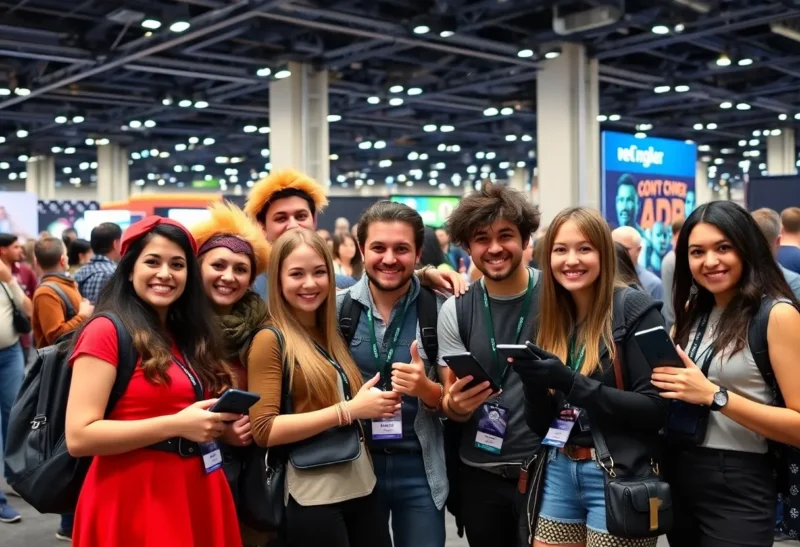
Who counts as a “geek” will keep broadening. The stereotype of the lone white male nerd was never accurate, and it’s eroding. More women, more people of color, and more ages are visible in fandom, in tech, and in the industries that serve them. The next 10 years will normalize that diversity further. Gatekeeping will still exist—every community has it—but the center of gravity will keep shifting toward inclusion.
What Will Stay
Some things don’t change. The desire to belong to a tribe that shares your obsessions is human. So is the pleasure of mastery—getting good at a game, knowing a universe inside out, building something that others recognize. Geek culture has always been about depth: the willingness to care a lot about something that “normal” people find silly. That won’t go away. The objects of that passion will shift—new IP, new games, new tech—but the impulse to go deep and to find others who get it will persist.
So will the tension between mainstream and niche. As soon as something gets big, part of the original community will feel it’s “sold out” or “ruined.” The next 10 years will have the same debates: Is this show for us or for everyone? Is this game too casual? That tension is productive—it keeps communities defining themselves. It’s not a bug; it’s a feature of how identity and fandom work.
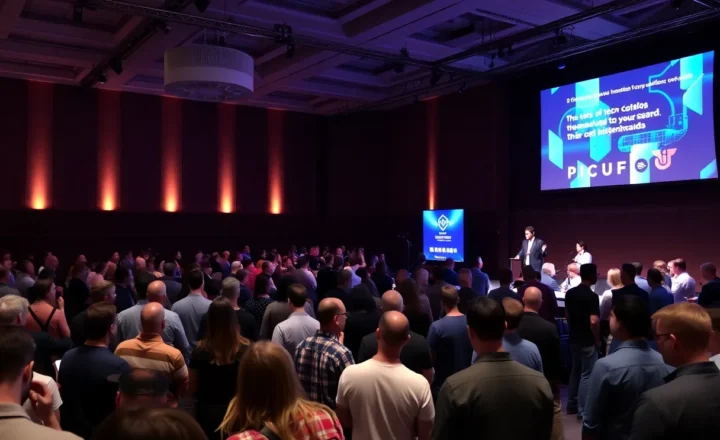
Physical gatherings will endure. Cons, meetups, and LAN parties survived the pandemic and the rise of online community. In-person events offer something screens can’t: shared space, chance encounters, and the feeling of being in a room full of people who get you. So cons and local meetups will keep evolving—maybe with more hybrid online/offline—but they won’t disappear. Geek culture has a body; it’s not only digital.
What to Expect From Yourself
If you’re deep in geek culture now, the next decade will ask you to adapt. New platforms, new IP, new norms—some of what you love will fade or change, and new things will demand your attention. The trick is to hold on to the spirit: curiosity, depth, and community. The specific game or show may not last; the habit of caring deeply and finding your people will. So stay open to what’s emerging, defend what deserves defending, and let the rest evolve. The next 10 years of geek culture will be built by people who do that—and you’re one of them.
The Bottom Line
The next 10 years of geek culture will see more diversity, more fragmentation, and more blending of tech and participation. What stays is the human stuff: the need to belong, the joy of depth, and the endless debate over what’s “real” geek culture. The surface will keep changing; the engine will look familiar. If you’re part of it, the best move is to stay curious, welcome new people, and hold on to what you love without insisting that everyone love it the same way. That’s how the next decade gets built.