What Repairability Scores Actually Measure and Why They Matter Now

Jamie Torres
July 7, 2026
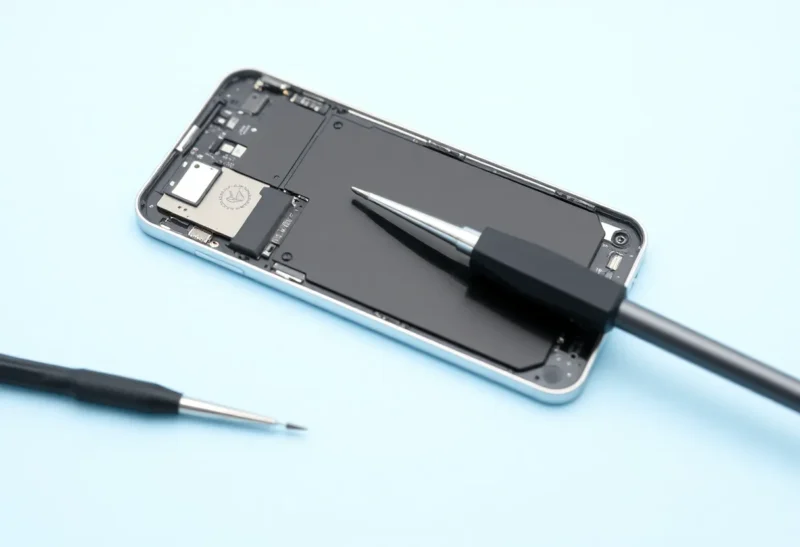
When iFixit gives a device a repairability score, or France’s official indice de réparabilité appears on a product label, what does that number actually represent? And why has repairability moved from a niche concern of hobbyist teardown enthusiasts to a mainstream consideration covered by consumer protection legislation in multiple jurisdictions?
The answers involve both how products are scored and what’s changed in the regulatory and consumer environment that has made those scores meaningful.
How iFixit’s Repairability Score Works
iFixit’s repairability scores (on a 1–10 scale, 10 being most repairable) are generated through physical teardown and analysis. The criteria are not precisely formalised into a single methodology the way regulatory scores are—they’re expert assessments based on factors that consistently emerge from teardown experience.
The primary factors iFixit considers: how easy the device is to open without damage (screws or adhesive? Standard or proprietary fasteners?), whether components are modular and individually replaceable or soldered together in ways that make component-level repair impossible, whether the battery is accessible and replaceable without heat guns and pry tools or requires destroying the device, whether display assemblies can be separated from other components, whether spare parts are available, and whether software locks (pairing requirements, serialisation) prevent the use of third-party parts.
The software pairing issue has become increasingly prominent in recent years. Apple’s “parts pairing” system meant that third-party replacement screens, cameras, and batteries would generate warnings or lose functionality unless paired through Apple’s software system—even if the parts were genuine Apple components salvaged from another device. Similar restrictions appear in Samsung and other manufacturers. iFixit’s scoring now explicitly considers software-imposed barriers to repair alongside hardware design barriers.
The French Repairability Index
France’s indice de réparabilité, introduced in 2021, represents the first government-mandated repairability scoring system applied to consumer electronics at point of sale. The system covers smartphones, laptops, TVs, washing machines, lawnmowers, and several other product categories, with scores displayed on product labels in retail environments.
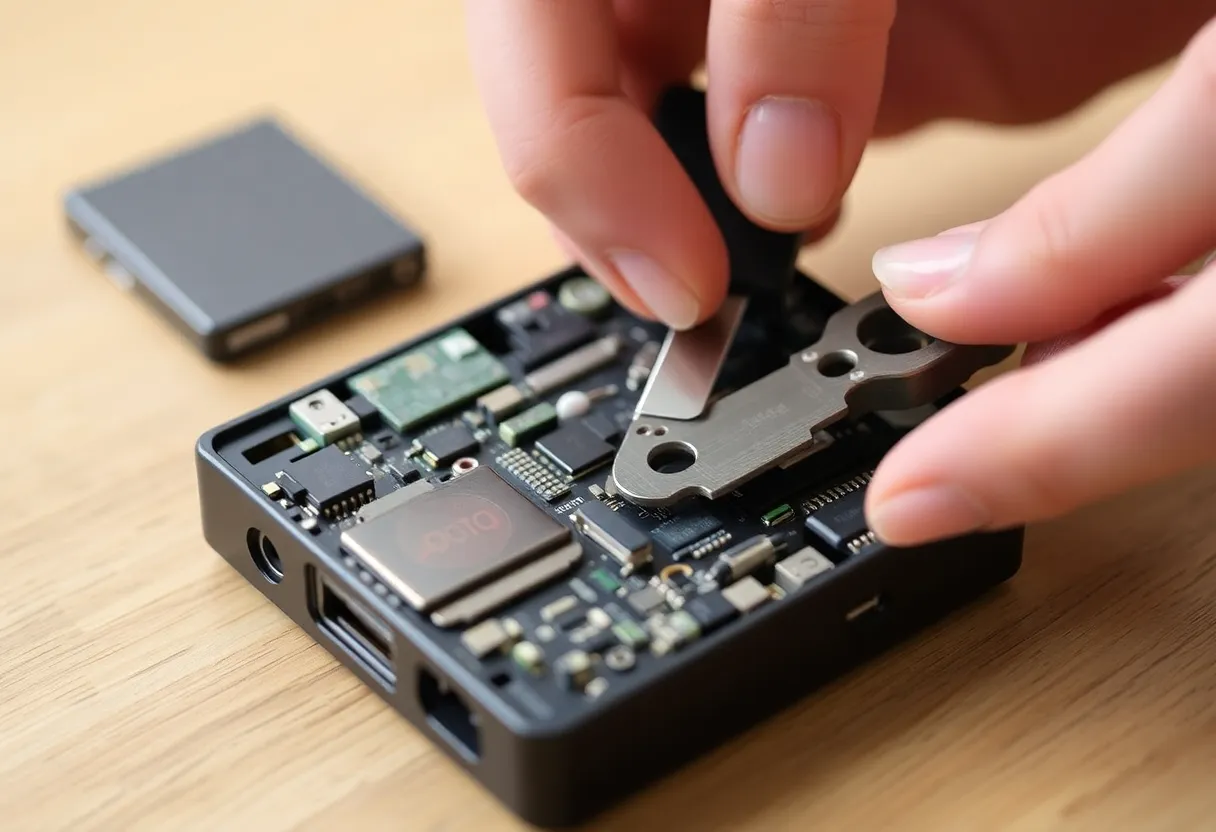
The French methodology is more formalised than iFixit’s. For smartphones, the scoring criteria include: documentation availability (are repair manuals accessible to consumers and independent repairers?), disassembly (how many steps, what tools are required, is disassembly non-destructive?), spare parts availability (what components are available and for how long from the manufacturer?), spare parts price ratio (are parts priced reasonably relative to the product cost?), and software support duration. Each criterion is weighted and combined into the final 0–10 score.
The French system evolved into the indice de durabilité (durability index) in 2024, adding robustness and software support duration components beyond repairability alone. This broader measure better captures the factors that determine how long a product actually stays useful in practice.
EU Right to Repair Directive
The European Union’s Right to Repair Directive, adopted in 2024, requires manufacturers to make spare parts, tools, and repair information available to both professional repairers and consumers for a defined list of product categories. Key provisions include: manufacturers cannot use contractual clauses, price policies, or technical barriers (including software) to prevent independent repair; spare parts and repair information must remain available for a defined period after purchase; and warranties cannot be voided by independent repair.
The directive specifically addresses the software pairing problem by prohibiting manufacturers from using software to prevent the use of compatible spare parts. This directly targets practices like Apple’s parts pairing that had created repair barriers independent of hardware design choices.
Several US states have passed right-to-repair legislation covering specific product categories (agricultural equipment in Colorado and Minnesota, consumer electronics in California), though federal legislation has not progressed. The US regulatory environment is more fragmented than the EU’s, but the direction of travel in multiple jurisdictions is clearly toward stronger repair rights.
What Scores Don’t Capture
Repairability scores measure specific, assessable dimensions of repair ease—they don’t capture everything that determines whether a device is practically repairable for a consumer.
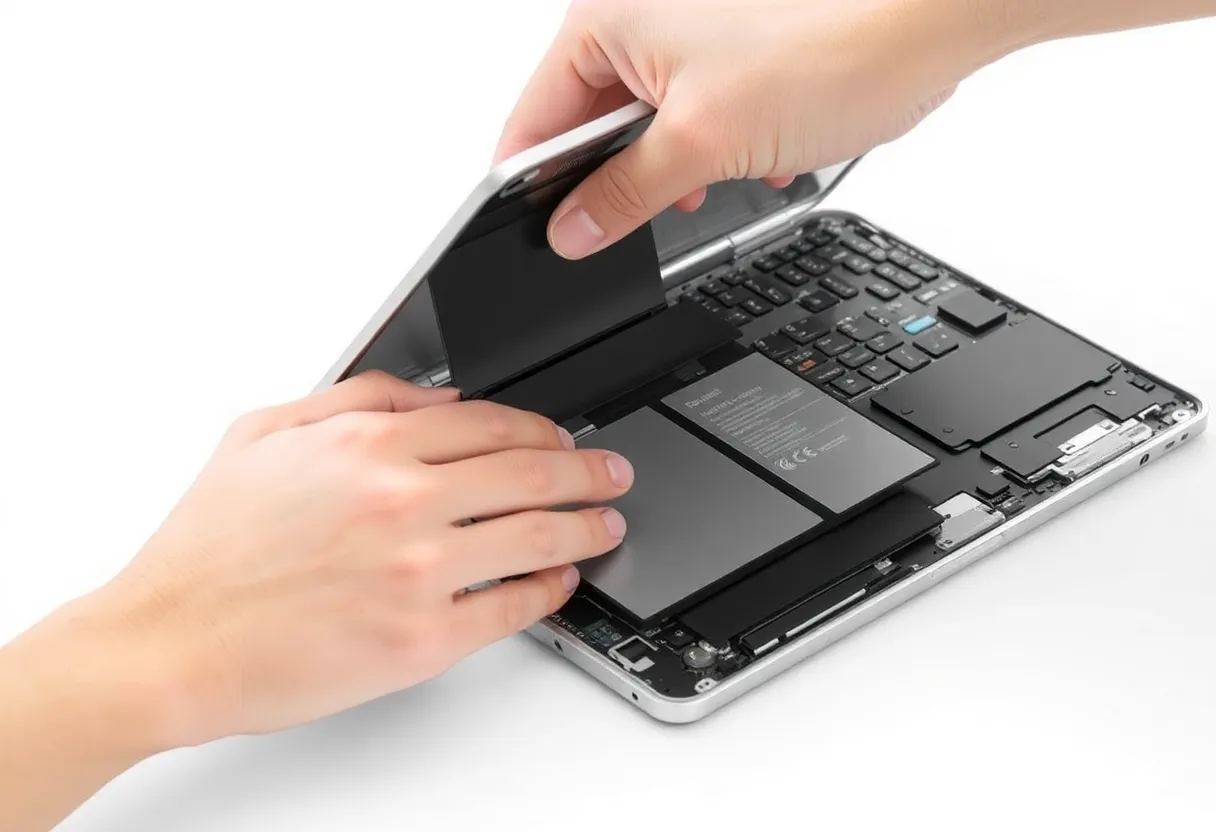
Skill required is not always separated from design quality in scoring. A device might be technically accessible (no adhesive, standard screws) but require significant skill and tools to repair successfully. The Fairphone scores highly on repairability indices specifically because it’s designed to be repaired by non-experts—the battery snaps out without tools, modules are labelled and clip together. A device that is technically repairable but designed in a way that makes successful repair by non-experts unlikely may score similarly to a genuinely user-friendly design.
Parts availability and cost is often a separate consideration from physical design. A device might be physically accessible but have no available spare parts—either because the manufacturer doesn’t provide them, parts supply has aged out, or the manufacturer has actively restricted third-party parts availability. The French scoring explicitly includes parts availability, but iFixit’s hardware-focused score can give a positive rating to a device that’s physically accessible but practically unsupported.
Environmental impact is related but distinct. Repairability contributes to longer product lifespans, which reduces the environmental cost of manufacturing new devices. But repairability is one factor among several that determines environmental impact (materials, energy consumption, manufacturing processes). A device can score well on repairability while still having higher overall environmental impact than alternatives.
Why This Matters for Purchasing Decisions Now
Repairability scores are actionable purchasing information in a way they weren’t five years ago, for two reasons: regulatory teeth and parts availability infrastructure.
Regulatory pressure has caused manufacturers to meaningfully change product design. Framework Laptops are designed from the first generation for user-accessible modular components—the battery, SSD, RAM, ports, and display are all user-replaceable without specialised tools. Fairphone continues to produce smartphones with explicit repairability as a core design goal. Samsung has published official repair documentation and partnered with iFixit for parts supply, improving on previous practices. These changes happened in response to regulatory pressure and shifting consumer expectations—not spontaneously.
The practical implication: checking repairability scores before purchase is more valuable now than it was because more product options cover a wider repairability range, regulatory compliance has improved parts availability, and the secondary market for parts has grown with explicit manufacturer support in some cases. A consumer buying a Framework Laptop is making a different trade-off than one buying a MacBook—both are defensible, but the trade-offs are now more visible and documented than they were when repairability was a niche concern.