The Hidden Engineering Behind Modern Electric Vehicles

Jordan Lee
February 24, 2026
When you step on the accelerator in a modern electric car, the experience is simple: instant torque, near silence, and a single pedal that does most of the slowing down too. What you don’t see is the stack of engineering that makes that simplicity possible — the battery management, thermal systems, power electronics, and software that have to work together so the car feels effortless. Here’s a look at the hidden engineering behind modern EVs.
More Than a Big Battery
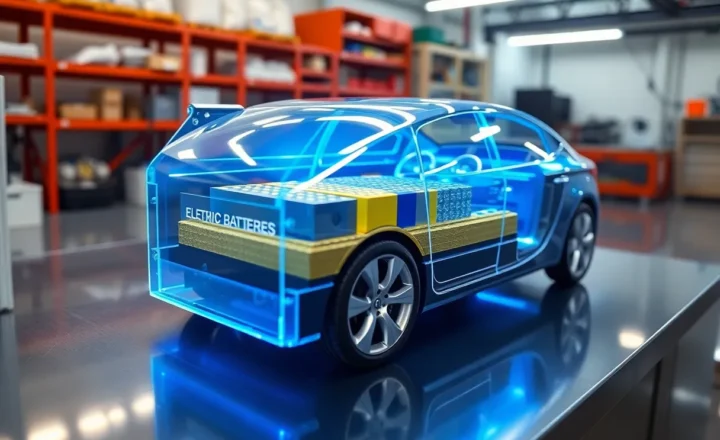
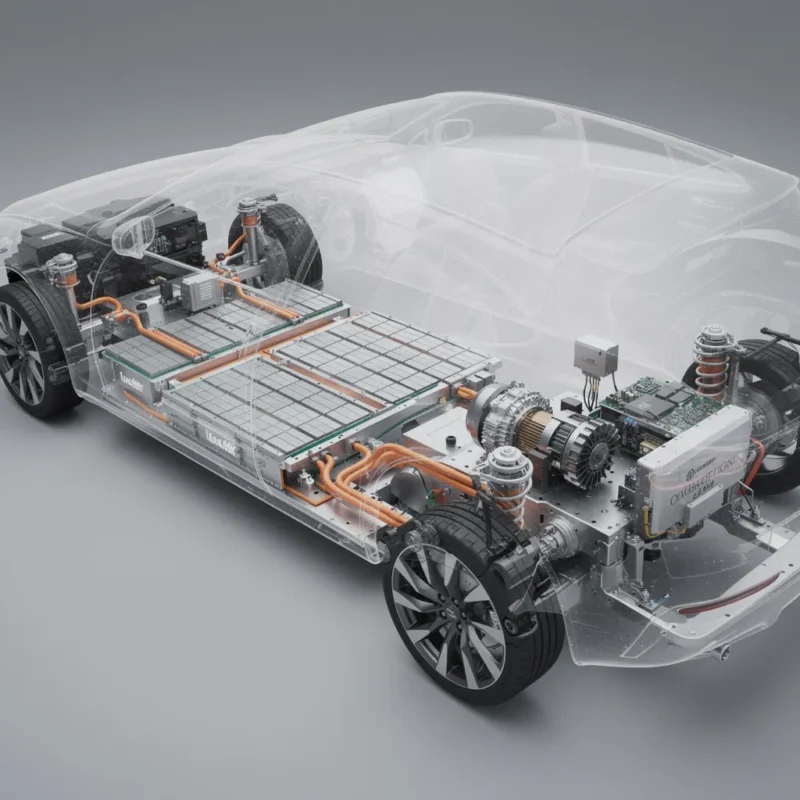
An EV’s battery pack isn’t just a box of cells. It’s a structural and electrical system that has to deliver hundreds of kilowatts, survive crashes, and last for years in heat and cold. The pack is divided into modules; each module contains many cells. A battery management system (BMS) monitors every cell’s voltage, temperature, and state of charge. It balances the cells so they age evenly, and it tells the rest of the car how much power is safe to use or accept. Get the BMS wrong and you get reduced range, faster degradation, or in the worst case thermal runaway. Get it right and the driver never thinks about it.
Pack design also affects weight, cost, and safety. Cells can be arranged in different geometries to fit under the floor (the common “skateboard” layout), and the enclosure has to protect against intrusion, fire, and vibration. The shift to structural battery packs — where the pack is part of the car’s load-bearing structure — is one of the next frontiers, cutting weight and improving rigidity. All of that is invisible from the driver’s seat, but it’s what makes the car possible.
Power Electronics: The Invisible Brain
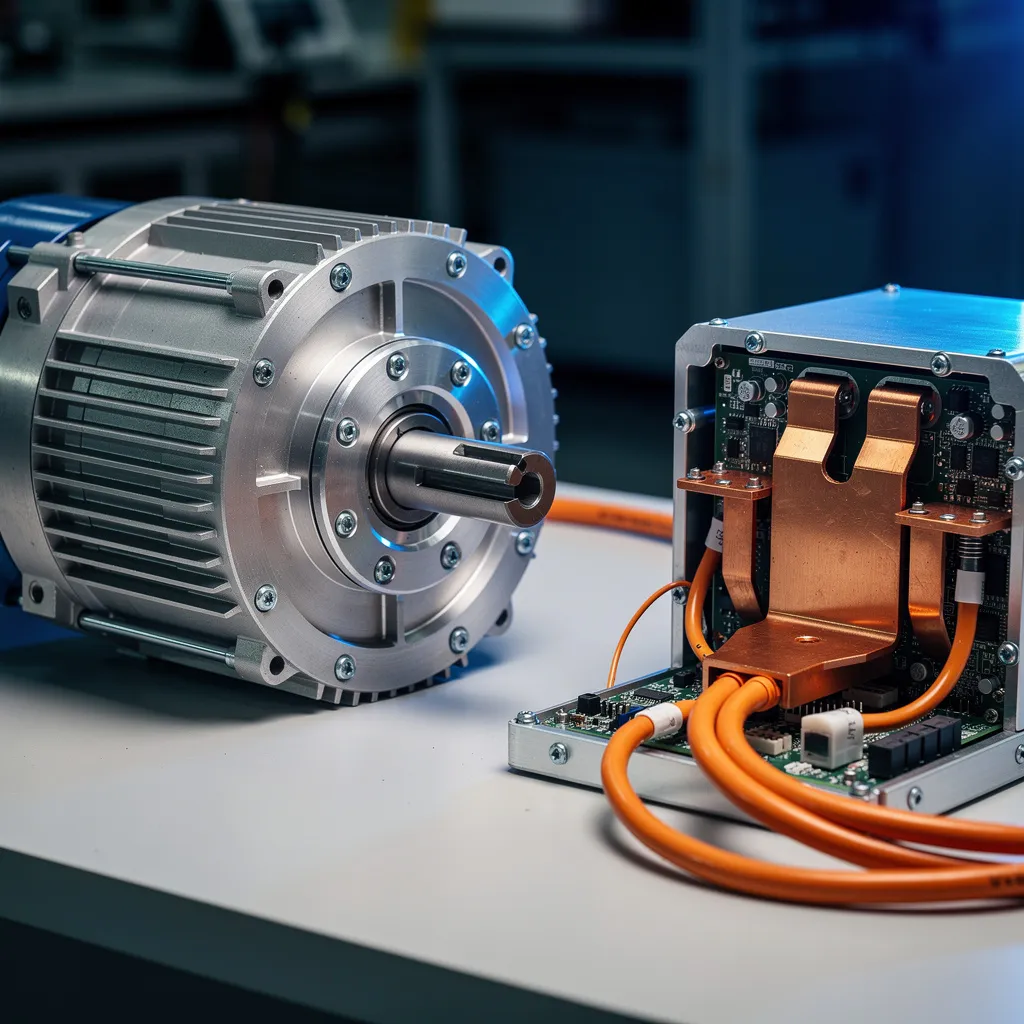
Between the battery and the motor sit the inverter and the rest of the power electronics. The battery stores and delivers direct current; the motor (usually an AC motor) wants alternating current with carefully controlled frequency and phase. The inverter converts DC to AC and varies the output so the motor produces exactly the torque and speed the driver (or the traction control) is asking for. That conversion has to be efficient — every percentage point of loss becomes heat that has to be managed — and it has to be reliable under high current and temperature.
Modern inverters use silicon carbide (SiC) or other wide-bandgap semiconductors to switch faster and lose less energy than older silicon parts. That improves range and allows smaller, lighter cooling systems. The same kind of electronics often handles DC-DC conversion for the 12 V system and for charging: taking grid AC and turning it into the right DC profile to fill the pack without damaging it. So the “hidden” part isn’t just one black box; it’s a coordinated set of converters and controllers that make the simple “go and stop” experience possible.
Thermal Management: Keeping Cool (and Sometimes Warm)
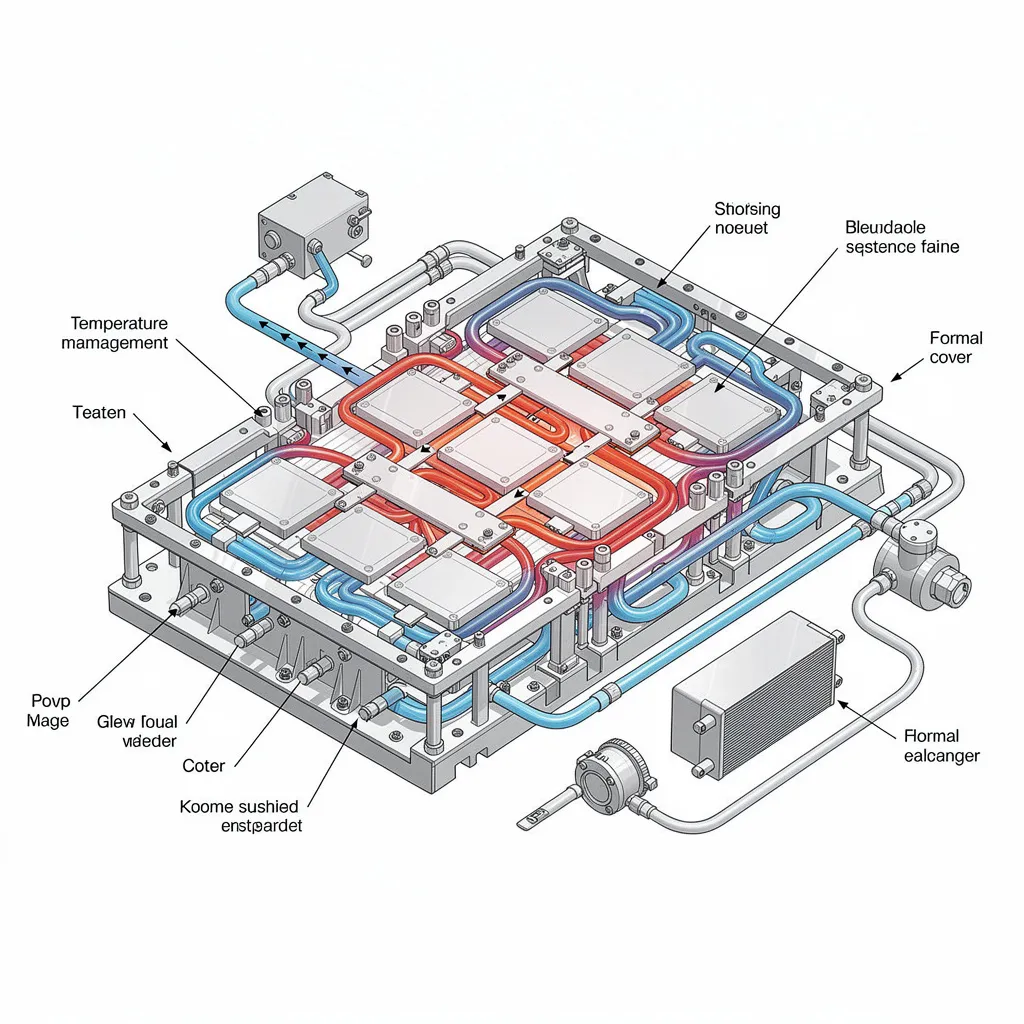
Batteries and power electronics both care deeply about temperature. Too hot and you risk degradation or failure; too cold and capacity and power drop. So every serious EV has a thermal management system: liquid loops that cool or heat the pack and often the motor and inverter too. In cold weather, the system may warm the battery so it can accept charge and deliver power; in hot weather or during fast charging, it has to pull heat out quickly. Some cars use a heat pump to move energy between the cabin and the powertrain, improving efficiency in winter. All of this is designed so that the car performs consistently whether you’re in Phoenix or Minneapolis, and so the battery lasts for hundreds of thousands of miles.
Regenerative Braking: One Pedal, Many Decisions
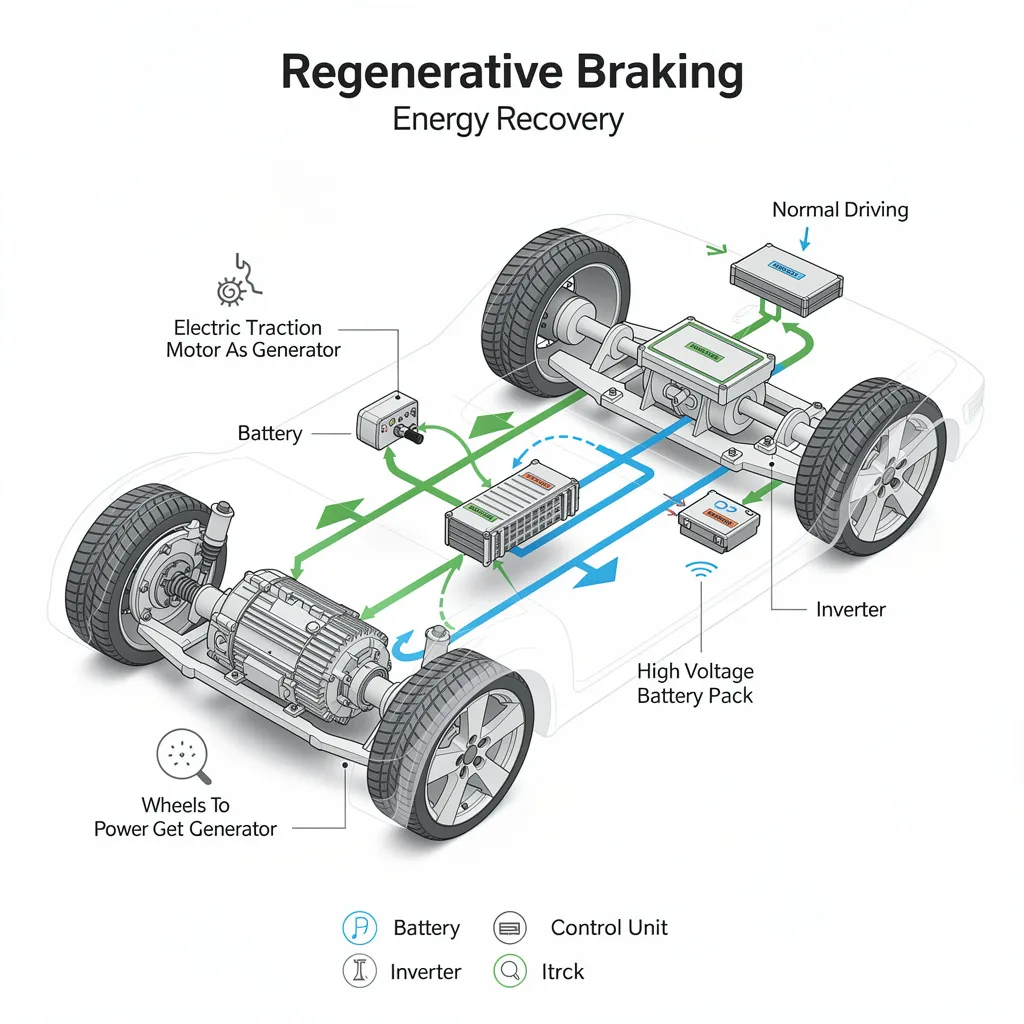
When you lift off the throttle in an EV, the motor can run in reverse — as a generator — and put energy back into the battery. That’s regenerative braking. The car’s software decides how much regen to apply (and how much friction brake to blend in) based on speed, battery state, temperature, and sometimes driver preference. Strong regen can recover a lot of energy in stop-and-go traffic and reduce brake wear; it also has to play nicely with the anti-lock and stability systems so the car remains safe and predictable. The “one-pedal” feel that many EVs offer is the result of tuning this blend so that normal driving rarely needs the brake pedal. Behind that feel is a lot of calibration and integration with the rest of the powertrain.
Software and Integration
None of these systems works in isolation. The BMS talks to the inverter; the thermal system responds to charging and driving; the regen strategy depends on battery temperature and state of charge. So a big part of modern EV engineering is software: control loops, diagnostics, over-the-air updates, and the logic that makes all the hardware behave as one coherent system. That’s why two cars with similar hardware can feel different — and why EVs are increasingly defined as much by their software as by their physical parts.
The Bottom Line
The hidden engineering behind modern electric vehicles is what turns a large battery and a motor into a car that feels instant, quiet, and simple to drive. Battery management, power electronics, thermal systems, and regenerative braking are the main pieces; software ties them together. You don’t have to understand any of it to enjoy an EV — but knowing it’s there helps explain why building a great one is so hard, and why the best ones feel so effortless.