Mars Missions and Microchips: How Space Drives Innovation at Home

Alex Vance
February 23, 2026
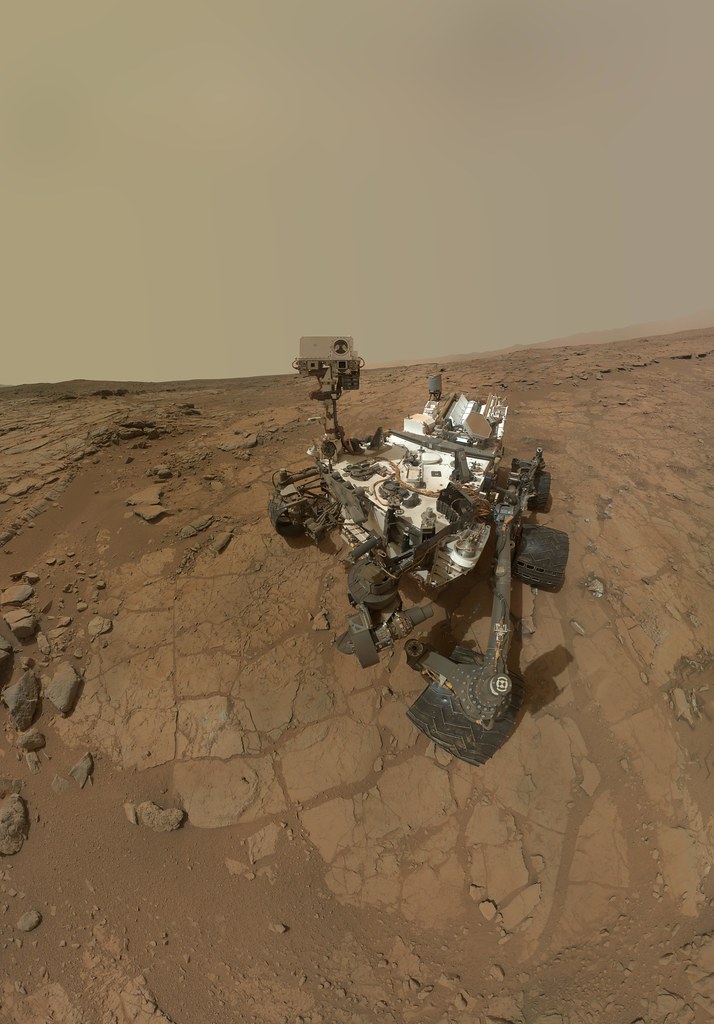
Space missions push technology to extremes: radiation-hardened chips, miniaturised sensors, and software that has to work the first time. A lot of that R&D doesn’t stay in orbit — it spins off into consumer and industrial tech. Mars missions and deep-space probes are a forcing function for innovation that eventually lands in your phone, your car, and your hospital. Here’s how space drives innovation at home.
Extreme Environments Force Better Design
Space is harsh: radiation, temperature swings, vacuum, and no repair shop. So space-grade components are designed for reliability and efficiency. Radiation-hardened and fault-tolerant processors, compact power systems, and sensors that work in extreme conditions have found their way into medical devices, aviation, and automotive. The same discipline that keeps a rover alive on Mars improves the robustness of systems on Earth.
Miniaturisation and Efficiency
Every gram costs money to launch. So space programmes have driven miniaturisation — smaller cameras, smaller computers, smaller instruments. That pressure has accelerated trends that benefit everyone: smaller, faster, lower-power chips and sensors. Consumer electronics and IoT have directly benefited from the “smaller and tougher” mindset that space demands.
Software and Autonomy
Rovers and probes can’t wait for Earth to send every command — light-time delay makes real-time control impossible. So they run autonomous software: navigation, sampling, fault recovery. That work on autonomous systems and robust software has influenced robotics, drones, and self-driving research. Space taught us to build systems that can operate and recover on their own — a lesson that applies far beyond the launch pad.
Spinoffs Are Real
NASA and ESA maintain spinoff catalogues: memory foam, water purification, medical imaging improvements, and countless materials and processes that came from space R&D. Mars missions and their supporting tech add to that pipeline. The link isn’t always direct — but the culture of “build for the worst case” and “make it small and reliable” propagates into industry. Space is a high-stakes lab that pays dividends at home.
Bottom Line
Mars missions and space exploration don’t just satisfy curiosity — they force better chips, better software, and better systems. That innovation spins off into consumer and industrial tech. Space drives innovation at home because the constraints are so extreme that solving them pushes the whole field forward.