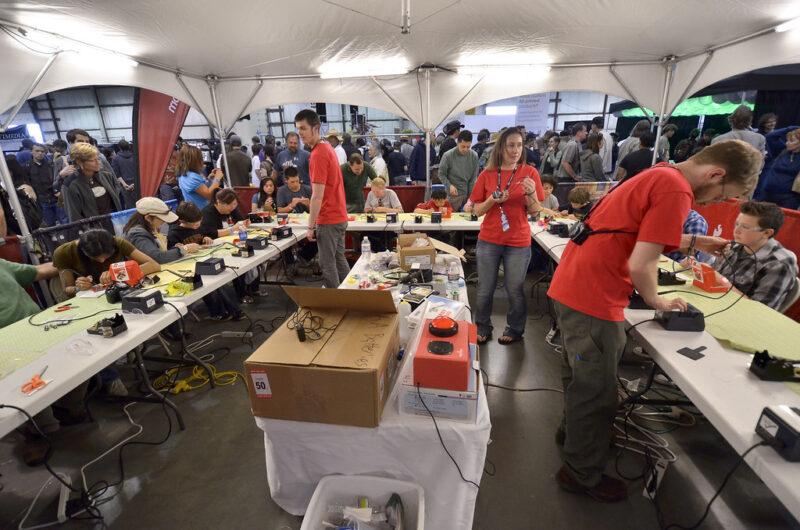
For a while it looked like tech was all about apps and clouds — consumption, not creation. But making things is back. Maker Faires, Raspberry Pi, Arduino, 3D printing, and open-source hardware have turned a generation of tinkerers into builders. The DIY tech renaissance isn’t nostalgia; it’s a response to cheap components, great documentation, and a hunger to understand and shape the physical world again. Here’s why it matters.
Cheap and Accessible
Microcontrollers, sensors, and single-board computers cost a fraction of what they did a decade ago. You can prototype a connected device for the price of a takeaway. That low barrier means more people try, fail, and try again. When the cost of failure is low, experimentation goes up. The same dynamic that made indie game dev and side projects possible is now making hardware and physical computing accessible. You don’t need a lab; you need a desk and a few modules.

Learning by Doing
Watching a tutorial is passive. Building something — even if it’s messy — teaches you how systems really work. DIY tech forces you to deal with power, pins, timing, and the gap between “it should work” and “it works.” That kind of learning sticks. Schools and companies are increasingly incorporating maker projects because they build intuition that pure theory doesn’t. The renaissance is partly about reclaiming that: making as a way to learn, not just to consume.
Community and Sharing
Open-source hardware and maker culture are built on sharing: schematics, code, and “here’s how I fixed it” posts. That ecosystem makes it easier to stand on the shoulders of others. You don’t have to invent the wheel; you can remix, adapt, and give back. The DIY tech renaissance is as much about community as it is about tools. Maker spaces, forums, and YouTube build that community. When making is shared, it scales.
From Hobby to Product
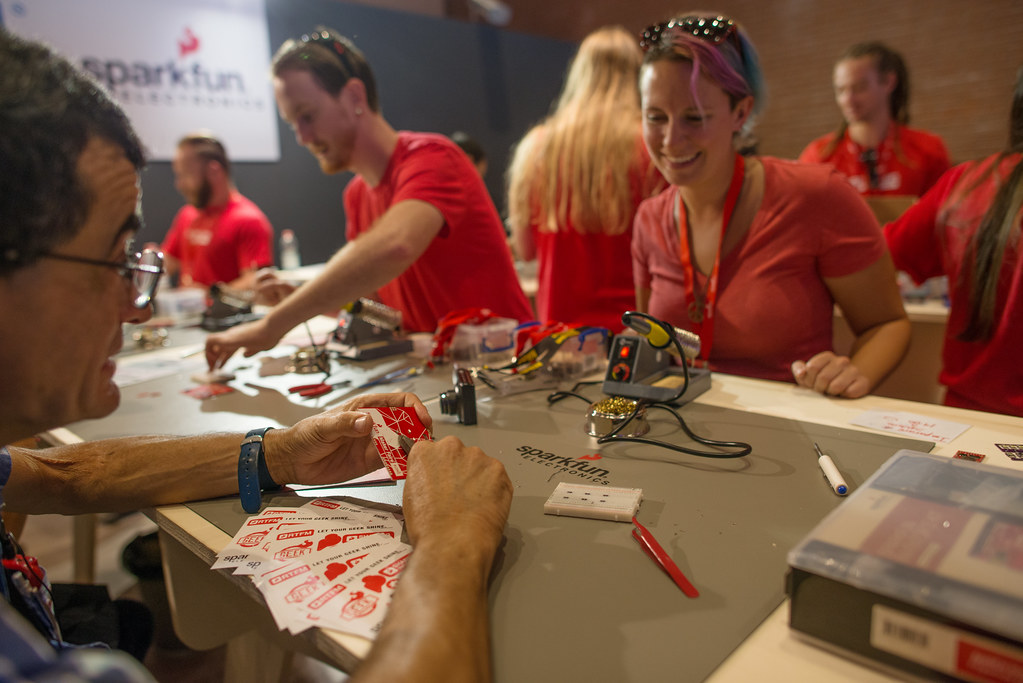
Plenty of side projects stay side projects. But some DIY builds become products: open-source designs that others manufacture, Kickstarter campaigns, or small businesses selling kits and boards. The line between “I made this for fun” and “I’m selling this” has blurred. That doesn’t mean everyone should commercialise — but the option is there. The renaissance is creating a pipeline from tinkerer to entrepreneur for those who want it.
Why Now
Convergence: cheap hardware, good tooling (IDEs, simulators, PCB services), and the internet for distribution and support. Plus a cultural pushback against pure consumption — a desire to repair, customise, and understand. The DIY tech renaissance is the result. Making things is back because the conditions are right, and because people want to build again.