The Real Cost of Longevity Supplements: What the Science vs Marketing Split Looks Like

Dr. Sarah Okafor
July 7, 2026

The longevity supplement market has had a remarkable decade. What used to be the domain of anti-ageing snake oil ads in the back pages of magazines has evolved—or at least rebranded—into a multi-billion dollar industry with podcasts, influencer stacks, and a vocabulary borrowed from serious research: NAD+ precursors, senolytic compounds, sirtuins, rapamycin analogues. The aesthetic is peer-reviewed papers and blood panels, not testimonial photos.
The science has also genuinely advanced. There are legitimate research programmes at serious institutions studying the mechanisms of cellular ageing, and some of the compounds being marketed have real, well-documented biological activity. The problem is the gap between what the research shows in lab settings and what a subscription box of supplements will actually do for you as a middle-aged person spending £150 a month.
That gap is the story worth telling.
What the Research Actually Looks Like
Most longevity supplement marketing leans heavily on two types of evidence: animal studies and mechanistic research. Both are legitimate scientific activities. Neither translates directly to human benefit in the way the marketing implies.
Animal studies—particularly in mice, worms, and flies—have shown meaningful lifespan extensions from various compounds. Rapamycin extends mouse lifespan by 10–25% in multiple studies. NMN and NR (nicotinamide riboside, a NAD+ precursor) increase cellular NAD+ levels and improve various metabolic markers in aged mice. Metformin reduces age-related disease markers in several animal models. These results are scientifically real and important.
The catch: mice are not humans, they live for two years instead of eighty, and interventions that work in genetically similar laboratory animals at carefully controlled doses often do not produce the same effects in the vastly more complex and individually variable biology of a human being. The history of medicine is full of compounds that extended mouse lifespan dramatically and did essentially nothing in human trials. It’s not that the research is fraudulent—it’s that translation from model organisms to humans is genuinely hard.
Mechanistic research—where a supplement is shown to activate a specific molecular pathway known to be involved in ageing—is similarly limited as evidence. Showing that NMN raises NAD+ levels in human blood is real. Showing that raised NAD+ levels in blood cause meaningful downstream health benefits in healthy adults is a different and harder claim. The pathway exists; the functional outcome in normal, non-deficient humans is much less clear.
The Compounds With the Strongest Claims
It’s worth being specific rather than dismissing the whole category. Some compounds have meaningfully more evidence than others.
Metformin. A diabetes drug, not a supplement, but increasingly used off-label for longevity purposes. The TAME (Targeting Aging with Metformin) trial is a large, well-designed clinical study specifically investigating whether metformin reduces age-related disease in non-diabetic adults. Results are pending but this is the most methodologically serious longevity trial currently running. It’s also a prescription medication with real side effects, not something you should self-prescribe based on podcast recommendations.
Rapamycin. An mTOR inhibitor that’s probably the best-supported longevity compound in animal research. Growing human experimentation is happening, including among some longevity researchers self-experimenting with it. The evidence for meaningful human benefit is not yet there from clinical trials. It’s an immunosuppressant with significant side effects and a narrow therapeutic window. The gap between “exciting research compound” and “thing a healthy person should take” is very wide here.
NMN and NR (NAD+ precursors). These have shown NAD+ raising effects in humans in clinical trials, and David Sinclair’s research at Harvard has driven enormous commercial interest. The question is whether raising NAD+ in non-deficient adults produces any meaningful health or longevity benefit. Current evidence is genuinely unclear—some small trials show metabolic improvements, others show nothing. The honest answer is that we don’t know yet, and the people selling you £80/month NMN subscriptions know less than they imply.
Spermidine. Found in wheat germ and various foods; some evidence in animal models for autophagy induction. Human clinical trials are small and early. Interesting compound, nowhere near a proven intervention.
Quercetin and Dasatinib (senolytics). These are being studied as senolytic compounds—substances that selectively eliminate senescent (“zombie”) cells, which accumulate with ageing and may drive inflammation and tissue damage. The Mayo Clinic has published preliminary human trial data showing some biomarker changes. This is genuinely exciting science. Whether this translates to meaningful health outcomes in people who aren’t already severely ill is not established.
What You’re Actually Paying For
The cost of running a serious longevity supplement stack is worth examining in concrete terms, because it’s higher than most people realise and the framing is often designed to obscure that.
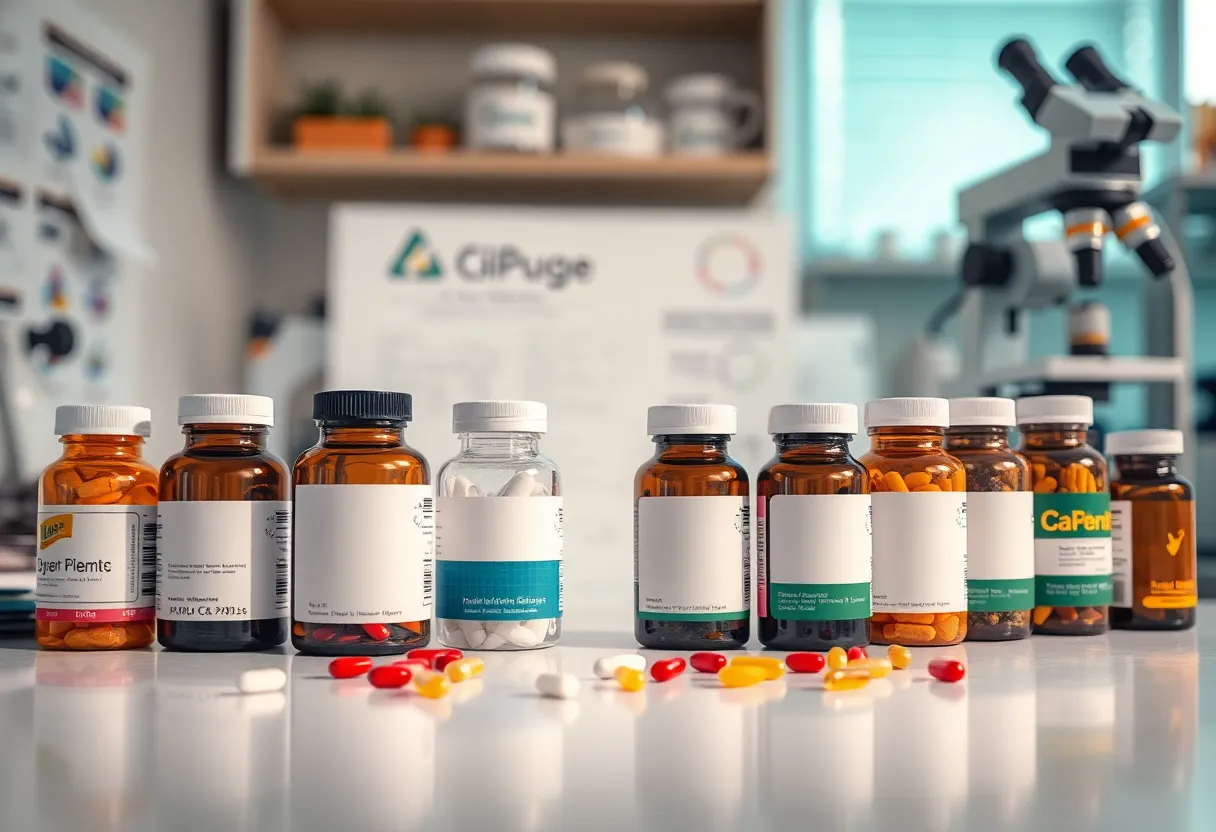
A typical “optimised longevity stack” from popular influencer-adjacent brands might include NMN (£60–90/month), resveratrol (£30–40/month), spermidine (£50–70/month), a NAD+ booster (sometimes redundant with NMN), omega-3s, magnesium glycinate, vitamin D, and a few brand-specific “synergistic” compounds. Total cost: £200–350/month, or £2,400–4,200/year.
That’s before any bloodwork subscriptions, membership programmes, or longevity clinic consultations that the brands often upsell toward.
To put that in context: £3,000/year invested at moderate returns over twenty years is approximately £120,000 in additional retirement savings. The compound interest on not spending money on unproven supplements may turn out to be more life-extending than the supplements themselves—by removing financial stress and creating options, which have reasonably solid evidence behind them for health outcomes.
This is meant seriously, not as a joke. Financial security reduces chronic stress, which has well-documented negative effects on inflammation markers, cardiovascular risk, and several other pathways that are also targeted by longevity research. The supplement marketing doesn’t mention this comparison.
Where the Marketing Diverges From the Science
The most consistent pattern in longevity supplement marketing is the conflation of “associated with” and “causes.” Research might show that people with higher NAD+ levels tend to have better metabolic health. The marketing says that taking an NAD+ precursor will improve your metabolic health. The first claim might be correlation; the second requires showing causation in a properly controlled trial. They are different claims presented as the same claim.
Similarly, “activates the same pathway as” is not the same as “produces the same outcome as.” Resveratrol activates sirtuin pathways in some contexts. Caloric restriction also activates sirtuin pathways—and has much stronger evidence for health benefits. The marketing implied equivalence between these things for years; the scientific consensus is considerably more skeptical about whether resveratrol supplementation actually delivers the metabolic benefits its activation of sirtuin pathways suggests.
The use of blood biomarkers as proxies for health outcomes is another area of slippage. Improving a biomarker is not the same as improving health. This is a problem throughout medicine, not just in supplements, but supplement marketing leans on it particularly hard because biomarkers are measurable and can be shown to change while actual health outcomes are harder to study and take decades to manifest.
What Actually Has Good Evidence
To be fair to the longevity field, and to avoid leaving readers with only skepticism: the interventions with the strongest evidence for extending healthspan in humans are also the least profitable to sell.
Regular aerobic exercise. The data on exercise and longevity is extensive, consistent, and strong. VO2 max is one of the most predictive biomarkers for longevity, and you improve VO2 max by doing cardiovascular exercise. Resistance training preserves muscle mass, which has substantial effects on metabolic health, fall risk, and quality of life in later decades. These are not interesting enough to market in the same way as NMN, but the evidence behind them vastly exceeds anything in the supplement category.
Sleep quality and quantity. Seven to nine hours of good-quality sleep has deep effects on almost every mechanism implicated in ageing research: inflammation, cellular repair, metabolic regulation, immune function. Sleep deprivation chronically raises markers that longevity researchers care about and degrades the same pathways supplements are supposed to support. Fixing your sleep before spending money on supplements would be the scientifically rational sequencing.
Caloric moderation and food quality. Consistent evidence across populations links both chronic caloric excess and specific food patterns (high ultraprocessed food consumption) to accelerated ageing markers and disease risk. Not very marketable compared to “anti-ageing molecule,” but meaningfully more supported.
Stress reduction and social connection. Strong epidemiological evidence for the impact of chronic stress and social isolation on health outcomes and longevity. The “Blue Zones” research is not without methodological criticism, but the consistent thread of social integration is hard to dismiss.
How to Think About This Honestly
None of this means longevity research is a scam or that the compounds being studied aren’t interesting. They are interesting. Some of them may prove meaningful in human trials. The science is genuinely progressing.
What it means is that the gap between where the research is and where the marketing claims to be is large, and the people most enthusiastically selling you supplements have a financial incentive to minimise that gap. The most rigorous researchers in the field—people like Peter Attia, who has been doing this for years—are notably more cautious in their actual recommendations than the brands selling supplements inspired by their work.
If you want to engage with longevity seriously, the rational approach is: establish the foundation (sleep, exercise, stress, food quality) before adding supplements; treat any supplement as speculative rather than proven; be extremely skeptical of mechanistic or animal research being presented as human evidence; and consider that your healthcare budget is finite and might be better spent on regular preventive checkups, dental care, and the gym membership you actually use than on a supplement stack that makes you feel like you’re doing something scientific.
The most expensive supplement is the one that replaces effective habits rather than adding to them.