E-Bike Battery Pack Risk: What Statistics Say Versus Parking Garage Headlines

Sofia Reyes
April 8, 2026
When a lithium battery fails catastrophically, it makes news: dramatic footage, urgent policy meetings, and a fresh wave of fear about e-bikes in hallways. The emotional curve is real; the statistical picture is messier. Thermal runaway is a known failure mode, but incidence rates, usage patterns, and aftermarket quality matter as much as chemistry. This article separates what data usually shows from what headlines imply—and what riders, landlords, and cities can do without pretending risk is zero.
What actually goes wrong
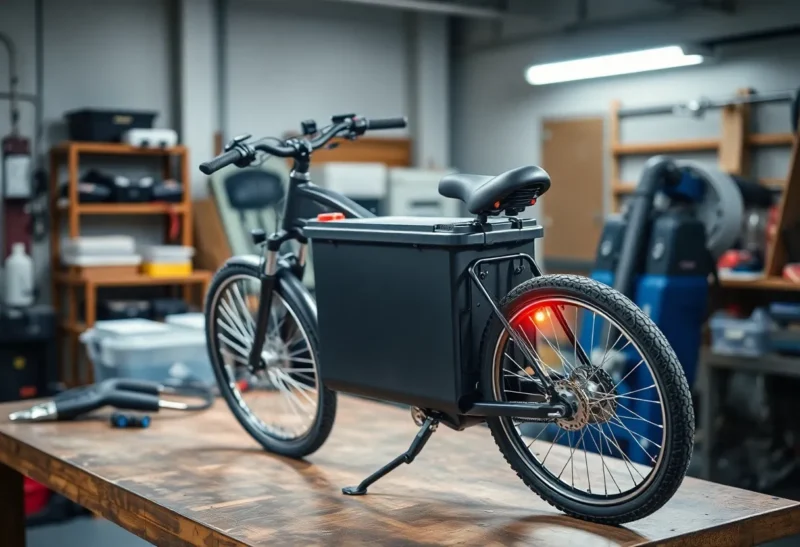
Most e-bike packs are lithium-ion assemblies: cells, a battery management system (BMS), wiring, and a housing. Failure routes include manufacturing defects, mechanical damage, water intrusion, poor charging practices, and incompatible chargers. Thermal runaway is the scary endpoint—once started, it can be hard to extinguish with household means—but it is not spontaneous magic; it follows physical triggers more often than mystery.
Headlines versus denominators
News coverage rarely includes the denominator: how many millions of e-bike trips happen daily without incident. That omission does not mean failures are acceptable—it means policy should track per-mile or per-device baselines instead of vibes. Academic and insurance datasets vary by region, but the directional story is consistent: uncertified aftermarket packs and sketchy chargers elevate risk compared with name-brand hardware used as directed.
Aftermarket packs and charger mismatch
Budget replacements can be tempting when an OEM pack ages out. Cells that look fine in a listing may lack consistent internal resistance, BMS quality, or thermal protection. Chargers that ship with the wrong voltage curve or omit adequate current limiting can stress cells slowly until one day they are not slow anymore. The “statistics” people argue about often stratify sharply when you separate verified versus grey market equipment.
Urban policy: parking garages, corridors, and charging rooms
Buildings are not agnostic. An elevator shaft with a charging table is different from a ventilated bike room with detection and clear rules. Cities experimenting with outdoor charging lockers or subsidized OEM replacements are testing harm reduction rather than banning micromobility outright. The goal is to move energy delivery into controlled contexts—especially overnight—without pretending that a prohibition on indoor storage will be evenly enforced.
What individual riders can control
- Buy from vendors who publish certifications and UL listings where applicable—boring paperwork saves drama.
- Match chargers to packs; treat “universal” adapters with suspicion.
- Inspect for swelling, damaged cases, or water ingress; retire gracefully instead of squeezing one more season.
- Charge where you can detect smoke early and keep egress paths clear—basic civic hygiene.
- Avoid unattended DIY spot welding unless you truly know what you are doing; social media bravado is not a safety standard.
If something goes wrong: fire behavior basics
Lithium-ion fires are not fought like paper baskets. Standard advice stresses evacuation, alerting building occupants, and letting trained responders use appropriate suppression—some scenarios benefit from copious water cooling, but your job as a resident is not heroics. Buildings that install smoke detection near charging areas buy minutes. Those minutes matter more than debating chemistry on social media after the fact.
Compared with what? Gasoline and scooters
Every mobility mode carries trade-offs. Combustion spills and crashes have their own morbid statistics. The point is not to rank tragedies; it is to avoid single-outing e-bikes as uniquely cursed while ignoring training, maintenance, and infrastructure for everything else. Policy works best when it targets measurable risk drivers—cheap uncertified packs—not aesthetics.
Insurance and liability reality
Renters and condo boards increasingly ask for proof of safe charging practices. Insurers care about fire spread pathways. Documenting OEM equipment and sane storage may matter more than brand loyalty when disputes arise after an incident.
Balancing respect for risk with proportional fear
Lithium powers laptops, power tools, and EVs at scale; society manages those risks with standards, recalls, and engineering margins. E-bikes sit closer to consumer chaos: more aftermarket variance, more garage tinkering, more pressure to save money. The honest takeaway is not “never worry,” but worry intelligently: target the leverage points—charger quality, physical protection, and thermal escape paths—rather than treating every pack like a ticking clock.
If headlines spike your anxiety, translate them into checklists: certified hardware, sensible charging location, and skepticism toward too-good-to-be-true replacements. Statistics are cold comfort to anyone hurt by a rare event—but they still beat panic as a foundation for rules that scale.