Longevity Clinics vs Wearables: Where the Hype Outruns the Evidence

Maya Chen
April 8, 2026

The longevity industry sells two fantasies at once: that consumer wearables can decode your future, and that boutique clinics can compress decades of medicine into a single afternoon of panels and supplements. Both can be useful. Both are also where marketing runs ahead of evidence—sometimes by a little, sometimes by a mile. The honest story is messier: some signals are real but noisy; some interventions are plausible but unproven; and the gap between “interesting biomarker” and “longer life” is wider than a keynote slide admits.
This piece compares what wrist sensors can and cannot see, what high-end clinics typically add, and how to spend money without confusing dashboards for destiny.
Nothing here is medical advice—if you have symptoms, abnormal readings, or risk factors, talk to a licensed professional. The goal is sharper shopping and calmer interpretation, not DIY treatment.
What wearables actually measure well
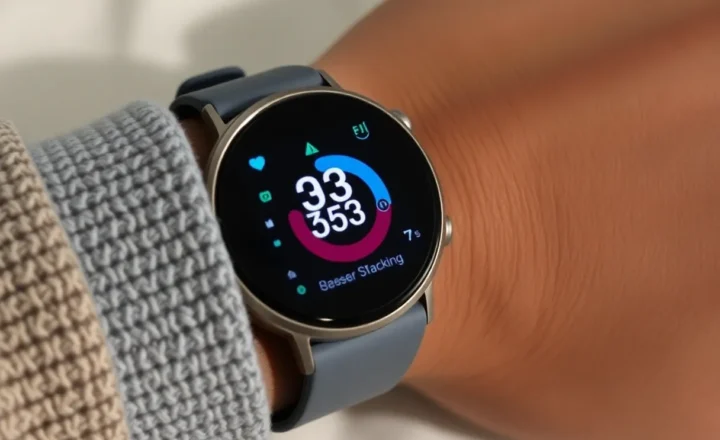
Modern watches and rings are excellent at high-frequency, low-context physiology: heart rate, heart rate variability proxies, sleep timing, step counts, skin temperature trends, and rough estimates of oxygen saturation. Those measures shine for behavior change—did you move today, did you go to bed earlier, is your resting heart rate drifting up during a flu week?
They are weaker at diagnosis. A watch might hint at atrial fibrillation; it cannot replace an ECG interpreted in clinical context. Sleep staging from accelerometers and PPG is better than nothing and still not equivalent to polysomnography when something serious is suspected. Treat wearables as trend tools, not oracle devices.
Also remember context missing from the wrist: medication timing, caffeine, alcohol, acute illness, altitude, and menstrual cycle phase all move the same metrics your app presents as tidy graphs. The device sees a pulse; it does not see your week. That limitation is fine for habits; it is treacherous for self-diagnosis.
Epigenetic clocks, VO2 max, and other “objective” scores
Some clinics offer biological age estimates from methylation patterns. The science is fascinating and still evolving: different clocks disagree on what they measure; some are trained on different outcomes than “years of healthy life.” Treat these as research-grade curiosities unless your clinician can tie results to a specific plan with clear trade-offs.
VO2 max testing is a brighter spot—cardiorespiratory fitness correlates strongly with mortality in population studies. A proper lab test beats a watch estimate, but even watch trends can motivate training if you avoid overfitting your self-worth to a number that fluctuates weekly.
Strength is the under-marketed longevity variable. Wearables track cardio habits more easily than whether you lifted heavy twice this week. If your wrist tells a beautiful story but your grip strength and legs are deconditioned, fix the gap with simple barbell or bodyweight progressions—then let the watch celebrate the heart-rate response, not the other way around.
What longevity clinics typically bundle
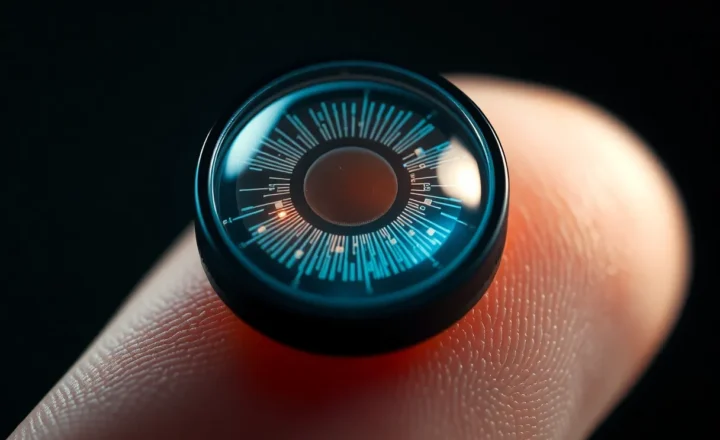
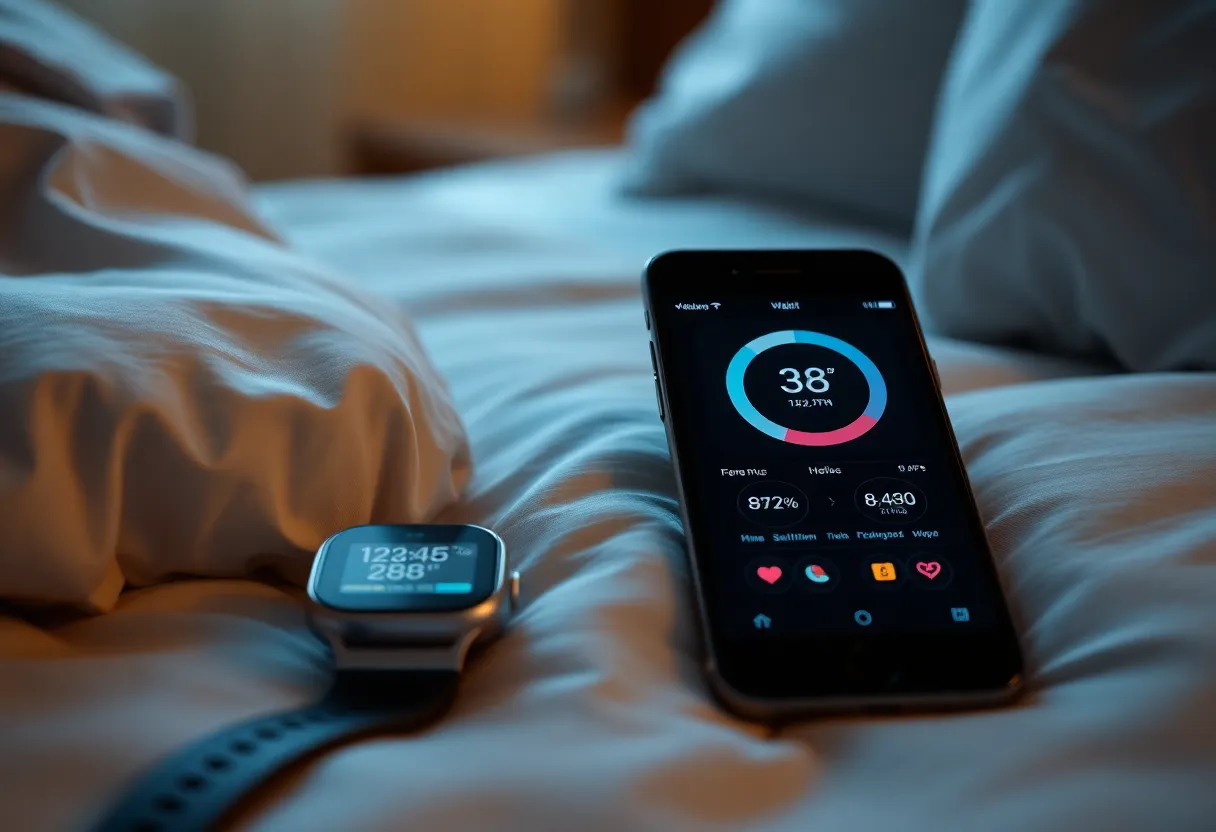
“Longevity” is not a single specialty. Clinics may combine advanced bloodwork (lipids, inflammatory markers, hormones), imaging (coronary calcium scores, sometimes full-body MRI), genetic risk panels, VO2 max testing, body composition scans, and lifestyle coaching. Some offer access to emerging therapies; others lean heavily on supplements with uneven evidence.
The value proposition is often personalization at scale: more data than a fifteen-minute primary-care visit, more time with a clinician, and a plan that tries to connect dots between markers. The failure mode is data tourism: expensive panels that change nothing because nobody translates numbers into behavior you will sustain—or because the numbers were never actionable to begin with.
Another failure mode is parallel care: patients stack boutique labs on top of regular doctors without reconciling medications, allergies, or contraindications. If you go deep on one track, bring a single-page summary back to your primary clinician so the left hand knows what the right hand prescribed.
Continuous glucose monitors: a case study in hype
CGMs moved from diabetes management to wellness circles fast. For people without glycemic issues, minute-by-minute glucose traces can educate—or trigger obsessive eating patterns. The evidence for broad CGM use in healthy populations is thinner than social feeds suggest. If you try one, anchor on patterns (post-meal spikes, fasting stability) rather than gamifying every snack.
Pair CGM experiments with a clinician who understands your goals—athletic performance versus metabolic risk versus curiosity. The same trace can mean different things to different bodies.
Where hype outruns evidence: three recurring patterns
Biomarker inflation. Labs can measure dozens of molecules; fewer have outcomes data tied to interventions normal people can take. Chasing marginal shifts in obscure markers can distract from boring wins—blood pressure control, sleep regularity, strength training—that have stronger population-level support.
Surrogate endpoints. A supplement might nudge a blood value without demonstrating longer healthspan. Wearables celebrate “recovery scores” that correlate loosely with how you feel but are not validated like clinical endpoints.
Long feedback loops. True longevity outcomes take decades. Short trials on biomarkers are easier to run; they are also easier to overinterpret. Be suspicious when a product promises “aging reversal” from twelve-week data on secondary markers.
Add social proof bias: testimonials from people who would have been healthy anyway. Regression to the mean is a powerful force. The best interventions often look boring next to a slick dashboard; that does not make them less effective.
Comparing cost curves: subscription vs episodic spend
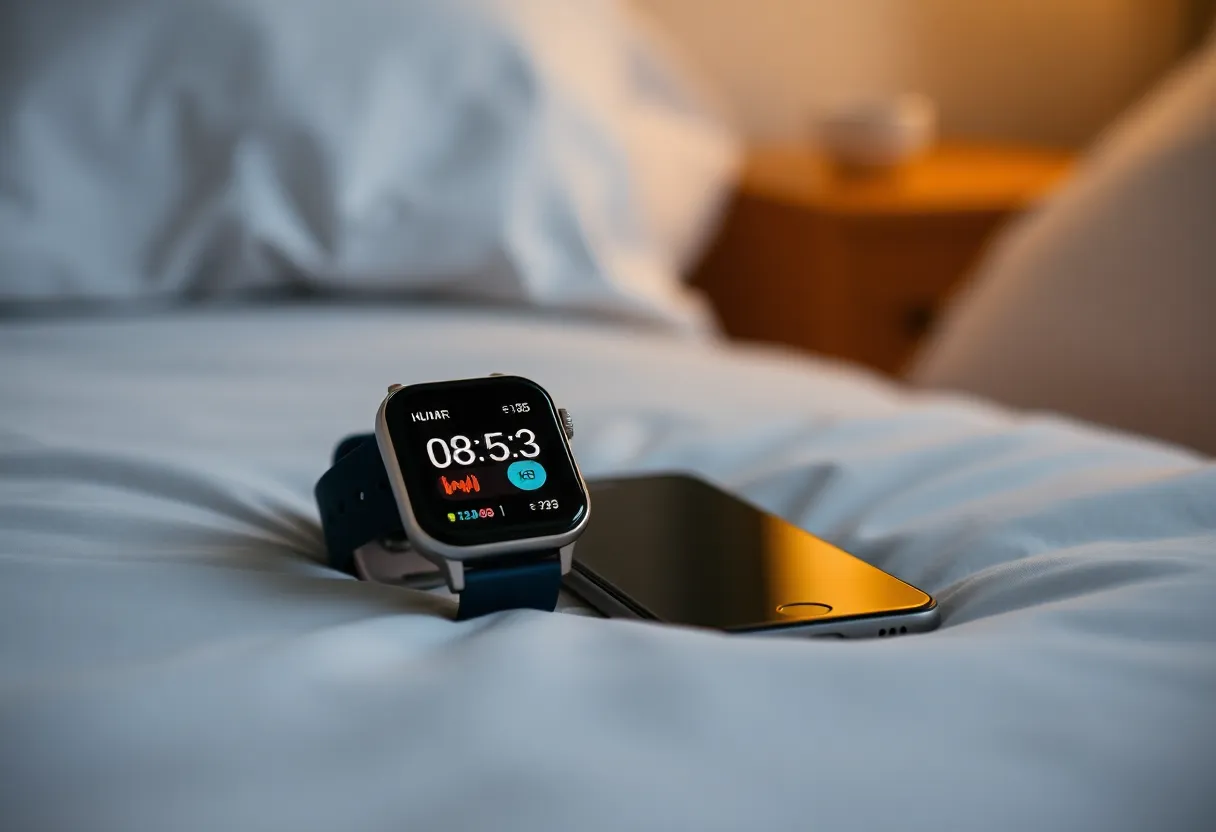
Wearables push you toward a subscription-shaped life: hardware upgrades, app paywalls, and premium coaching tiers. Clinics push toward lumpy expenses: a big bill for assessments, then follow-ups. Neither model guarantees adherence. The question is whether each dollar buys clarity or anxiety.
A watch that helps you walk more may deliver more quality-adjusted life improvement per dollar than a panel of esoteric tests—if you actually change habits. Conversely, a clinic that catches genuinely elevated blood pressure or a dangerous lipid pattern early can pay for itself in avoided events. The trick is matching spend to your risk profile, not Instagram aesthetics.
Insurance coverage varies, and many advanced tests are out-of-pocket by design. Before you agree to broad imaging “just because you can,” ask about incidental findings—spots that trigger follow-up biopsies or repeat scans with real risk and cost. Prevention is valuable; fishing expeditions with unclear pretest probability are not automatically wise.
Psychology: scores without context become stressors
Continuous monitoring can improve motivation; it can also fuel orthosomnia-style fixation—lying awake worrying about sleep scores—or hypochondria driven by benign variability. Clinics can soothe with human interpretation, or amplify fear with dense printouts. Before you buy either, ask how you respond to numbers when they move against you.
If you already have anxiety or eating-disorder history, discuss with a clinician before adopting the most granular monitoring. The tool is not neutral; the interface nudges you toward engagement.
How to use both without getting played
Start with a primary-care relationship and evidence-based screening appropriate to your age and history. Layer wearables for behavior tracking—steps, workout consistency, bedtime variance—not for reassurance you are “biologically twenty-five.” If you visit a longevity clinic, bring goals: lower blood pressure, better glucose stability, clearer training plan—not a vague hunger for immortality.
Demand plain-language explanations: what would we do differently if this marker were high versus low? If the answer is “take this proprietary stack,” ask for independent literature and conflict-of-interest clarity.
Pair numbers with behavioral experiments: try a twelve-week strength block, a consistent sleep window, or a structured walking plan—then repeat measurements. Interventions that never change your habits were never worth the spreadsheet.
Regulation and safety realities
Consumer devices and wellness programs often sit in regulatory gray zones. That does not make them useless; it means buyer literacy matters. Prescription pathways exist for good reasons when therapies carry real risks. Be cautious about clinics that blur the line between coaching and medicine without appropriate oversight.
International readers should note that norms and approvals differ by country. A therapy offered abroad may not meet your home regulator’s bar; import and follow-up care get complicated fast. Treat cross-border “optimization” trips with the same skepticism you would apply to any elective surgery.
A sane synthesis
Wearables excel at frequency; clinics can offer depth. Neither replaces the slow work of sleep, nutrition, movement, and social connection that epidemiology keeps reaffirming. The hype outruns evidence when vendors imply certainty. The antidote is modesty: measure what helps you act, ignore what merely flatters your ego, and invest in clinicians who respect the difference.
Build a simple decision rule: if a new metric does not change what you will do this month—sleep earlier, lift heavier, walk farther, call your doctor about a real symptom—it is entertainment, not strategy. Entertainment is fine; just do not confuse it with medicine.
Finally, keep privacy in view: health apps accumulate sensitive timelines. Read data policies, turn off sharing you do not need, and remember that your “anonymous” graph may not be as anonymous as marketing claims when combined with other signals.
If you remember one sentence: longevity is not a SKU. It is a set of habits you can sustain, reviewed periodically by medicine that knows your name—not just your metrics.