Supply Chains After the Shortage Years: What Actually Changed for Buyers

Victor Lang
April 8, 2026

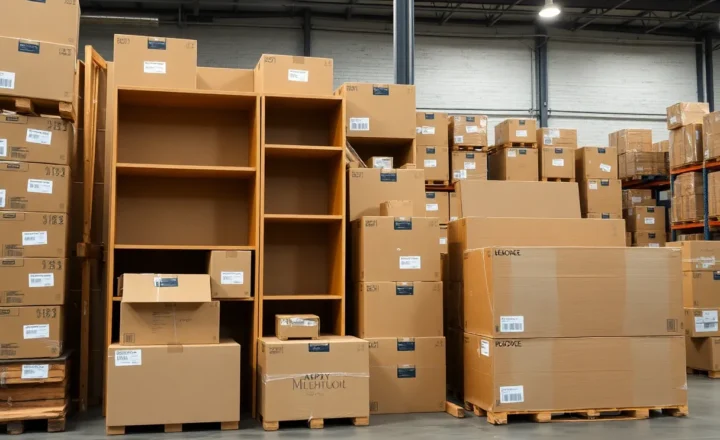
During the peak shortage years, headlines trained shoppers to expect empty shelves, GPU lotteries, and car lead times measured in seasons—not weeks. Some of that pain was pandemic shock; some was structural, especially in semiconductors where fabs take years to stand up. Now that shelves look fuller and GPUs linger in stock, it is tempting to believe supply chains “went back to normal.” The reality is messier: lead times shortened, inventories swelled, and companies diversified sources—but fragility did not vanish; it moved.
This article translates post-shortage supply shifts into what everyday buyers should expect: pricing behavior, model cadence, repairability, and how to shop without treating availability as a permanent promise.
None of this is a forecast for your portfolio. It is a consumer-level map of why shelves refill unevenly, why discounts appear when they do, and why “the new normal” still rhymes with disruption.
Inventory gluts and the hangover effect
When demand cooled after panic buying, many categories—PC components, some consumer electronics—swung from scarcity to surplus. Retailers discounted to clear warehouses. That is good for bargain hunters but confusing for price memory: the “deal” price after a glut can feel like the new baseline even when the next cycle tightens.
Manufacturers also faced channel stuffing headaches—products sitting at distributors longer than planned—prompting fire sales and bundle deals that had little to do with manufacturing cost drops. Understanding that dynamic helps you interpret “50% off” banners as inventory medicine, not necessarily a comment on product quality.
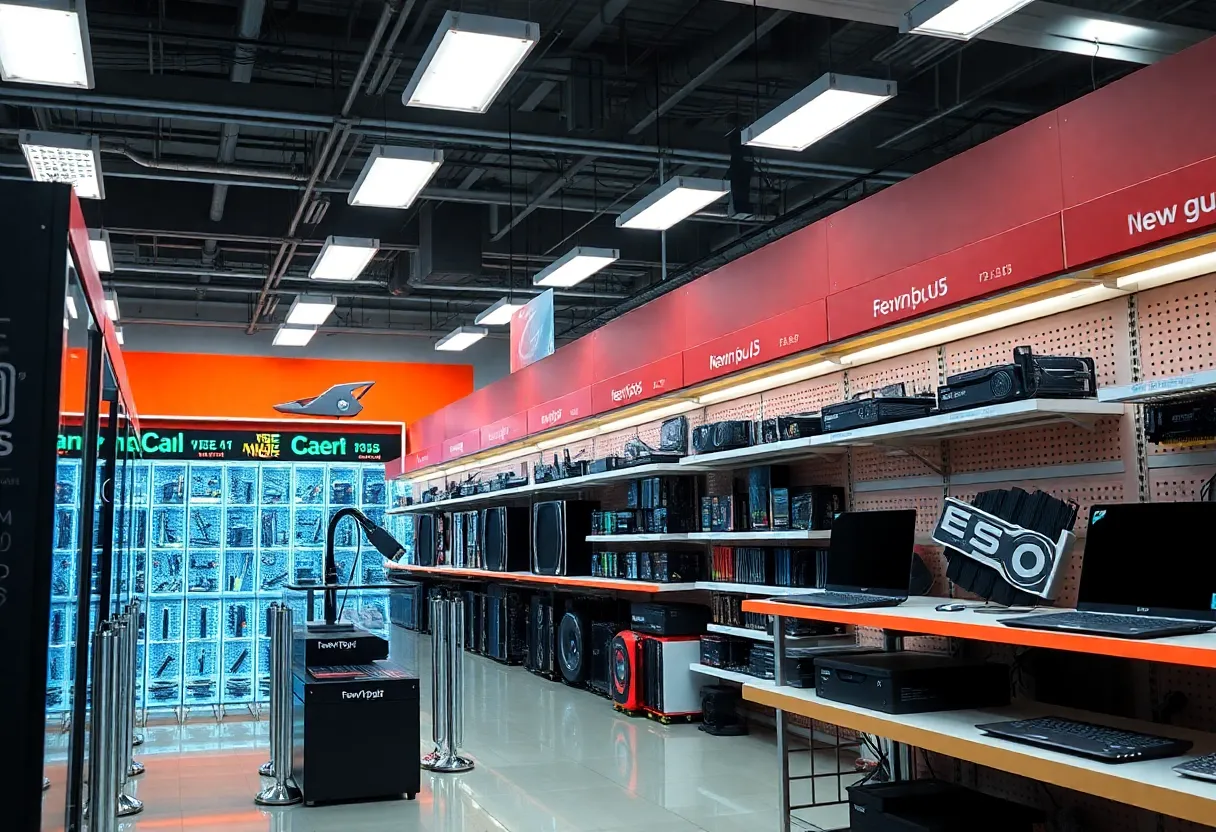
Buyers should track needs, not charts. If your laptop works, a clearance GPU is a luxury upgrade, not a necessity driven by FOMO from 2021.
Semiconductor capacity: still concentrated, still slow to move
New fabs and packaging plants are coming online, but leading-edge logic remains expensive and geographically clustered. Automotive and industrial chips compete with consumer gadgets for wafers. Shortages can still spike in niches—analog parts, mature nodes—even when flagship phones look abundant.
Packaging substrates, substrates, substrates
Advanced chips need advanced packaging—interposers, HBM stacks, substrate layers. When packaging chokes, finished goods stall even if wafers exist. Consumers rarely hear “substrate shortage” in marketing copy, yet it quietly delayed launches in prior cycles. The practical takeaway: launch-week scarcity can reflect packaging or testing, not just “demand too high,” so patience sometimes resolves availability without paying scalper premiums.
Supplier diversification you can sometimes see
Some vendors publish multi-sourcing stories—two SSD controller vendors, alternate display panels with slightly different color profiles. Reviewers occasionally catch variance between batches. If you are color-critical, buy from sellers with easy returns; if you are price-sensitive, minor panel lotteries may be acceptable.
Friend-shoring, tariffs, and price noise
Geopolitics reshaped where companies are willing to source and assemble. Tariffs and policy uncertainty show up as price volatility and model variants by region. Buyers comparing international deals should factor warranty coverage, voltage standards, and keyboard layouts—not just exchange rates.
Subsidies for domestic fabs or assembly lines can shift where certain components are built over a half-decade horizon. Consumers rarely see a label that says “made possible by industrial policy,” but they might see shorter regional lead times for specific categories as capacity comes online unevenly.
Packaging, SKUs, and the quiet cost cuts
When input costs pinch, manufacturers sometimes shrink accessories in the box—chargers omitted, cables shortened, adapters sold separately. That is not always advertised loudly. Read “what’s included” panels carefully when comparing generations; a cheaper headline price might hide removed components you will buy separately anyway.
Retail vs direct: who holds the inventory risk
Marketplaces aggregate supply from many sellers; brand stores control fewer SKUs but may offer better bundle support. Third-party listings can move faster in gluts—and carry more counterfeit risk in stressed categories. Check seller ratings, return windows, and whether warranty is manufacturer-backed.
Seasonality without the pandemic adrenaline
Holiday ramps still exist, but the wild demand spikes of remote-work pivot years have moderated. Discount events may be steadier, with fewer lightning deals driven by panic. If you need a machine for school or taxes, shop off-peak seasons when possible; you trade hype for calmer support queues.
Insurance, extended warranties, and risk transfer
Retailers push protection plans because margin helps when hardware margins are thin. Sometimes they are sensible—phones with glass sandwiches, kids’ laptops. Other times self-insuring via emergency savings beats financing a policy on a depreciating monitor. Map the deductible and claim process before you pay for peace of mind on paper only.
Repair and parts: the hidden supply chain
Mainstream availability of devices does not guarantee spare parts. Right-to-repair momentum helps, but OEM parts pipelines remain uneven. If longevity matters, favor vendors with documented service manuals and predictable battery replacement paths—your personal supply chain for a five-year horizon.
Shipping and fuel: the background tax
Ocean freight rates swung wildly; fuel costs feed into last-mile delivery. Free shipping is often priced into products. When logistics tighten, promotions shrink before list prices move. Watch for smaller packaging, slower default shipping, or subscription bundles that lock demand.
Tracking numbers are not just novelty—they are signals. If carriers consistently miss service levels in your area, pad purchase lead times for big-ticket items or pick them up in store when that option exists.
Just-in-time versus just-in-case: corporate inventory you never see
Enterprises burned by 2021–2022 shortages bulk-ordered “safety stock” for chips, power components, and networking gear. Some of that cushion remains, smoothing spikes for business buyers while masking underlying tightness. Consumers rarely see those buffers directly, but they can show up as longer software support for older models (using existing parts bins) or sudden end-of-life announcements when safety stock finally clears.
Labor and logistics labor: the human constraint
Ports run on longshoremen, truckers, and warehouse pickers. Labor disputes or regional illness waves still ripple through delivery dates faster than fabs can respond. Automation helps at margins, but many nodes remain people-heavy. Buyers planning big purchases around holidays should pad timelines—not because headlines scream shortage, but because variance returned to the system.
Climate shocks and localized disruptions
Droughts, floods, and heat waves affect manufacturing regions and energy prices. A drought might not empty your local store, but it can raise input costs for plastics, packaging, or factory power—feeding into price tags months later. Thinking in systems beats panic-buying bottled water for your router; it does mean accepting that “stable prices” are a moving average, not a law of nature.
What smart buyers do differently now
They stagger upgrades instead of synchronizing everything in one shortage cycle. They buy refurbs when quality vendors offer warranties. They avoid stacking financing deals on depreciating gadgets unless cash flow truly requires it. They treat “in stock” as a snapshot, not a covenant.
Small businesses and the procurement mindset
Home buyers can learn from SMB IT: standardize a few models, keep spare power bricks, and document vendor SKUs so replacements do not become treasure hunts. If you run a side business from home, a small UPS and redundant peripherals can save more money than chasing the next sale on a redundant backup laptop you never configure.
Used markets and the latency arbitrage
Secondary markets lag primary supply swings. After gluts, used GPUs flood auction sites; after tightening, prices spike late. Patient buyers who do not need the latest node can harvest depreciation curves. Sellers should time listings—dumping gear into a saturated used market leaves money on the table.
Batteries, EVs, and consumer electronics competition
Large-format batteries for vehicles and grid storage compete for minerals and factory lines with smaller packs in devices. Macro swings in commodity prices echo into laptop battery replacement costs indirectly. You will not optimize global lithium from your shopping cart, but you can prefer repairable designs with accessible cells when vendors offer them.
Bottom line
Post-shortage normal is not the 2019 playbook; it is a world with fatter inventories in some lanes and stubborn bottlenecks in others. Shop with timelines, not trauma from empty shelves—and remember that resilience is as much about maintenance and repair as it is about buying the newest thing.
The throughline is simple: supply chains are not “fixed”; they are always negotiating physics, policy, and panic—usually in that order.
Psychology: scarcity trauma vs complacency
Two traps linger after shortages: hoarding components you will not use, and assuming infinite availability because shelves look full today. Neither matches reality. A balanced stance keeps modest spares—cables, drives—for genuine work continuity, without turning your closet into a mini distributor.
What to watch on the horizon
Policy shifts on export controls, energy prices affecting smelting and refining, and new trade corridors can all nudge prices without warning. You do not need to obsess over commodity tickers; you do need a purchase plan that tolerates a few months of friction—save cash, set alerts, and avoid tying mission-critical work to a single SKU that might vanish next quarter.
If you coordinate purchases for a household or small team, keep a shared spreadsheet: device model, purchase date, warranty end, and spare parts on hand. Supply chain resilience is boring until a fan fails on deadline week—and then it is priceless.
A little documentation now beats a frantic group chat later.