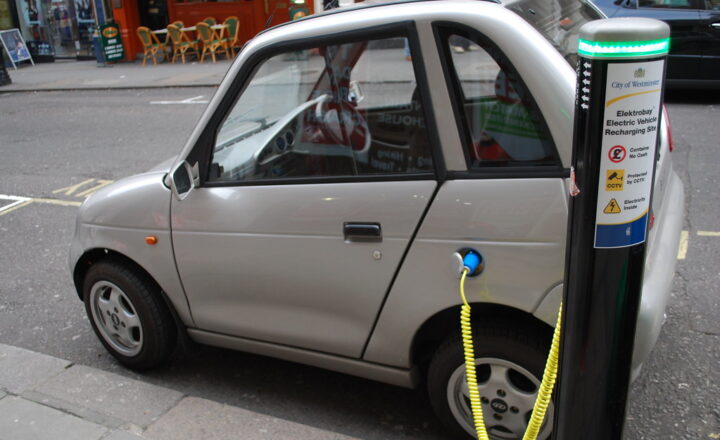

From the outside, an electric car can look like a regular car with a plug. Under the skin, the engineering is radically different: no engine, no gearbox in the traditional sense, and a huge slab of batteries where the fuel tank used to be. The hidden engineering behind modern EVs — batteries, motors, thermal management, and software — is what makes them safe, efficient, and fun to drive. Here’s what’s going on.
The Battery Pack: More Than Just Cells
When people think “EV battery,” they often picture the cells. But the pack is a system: hundreds or thousands of cells, a battery management system (BMS) that keeps voltage and temperature in check, cooling (liquid or air), structural mounting, and crash protection. The BMS is the brain. It balances cells, prevents overcharge and deep discharge, and can limit power if the pack is too hot or too cold. Get that wrong and you get fires, early degradation, or both. Get it right and the pack lasts for years and hundreds of thousands of miles.
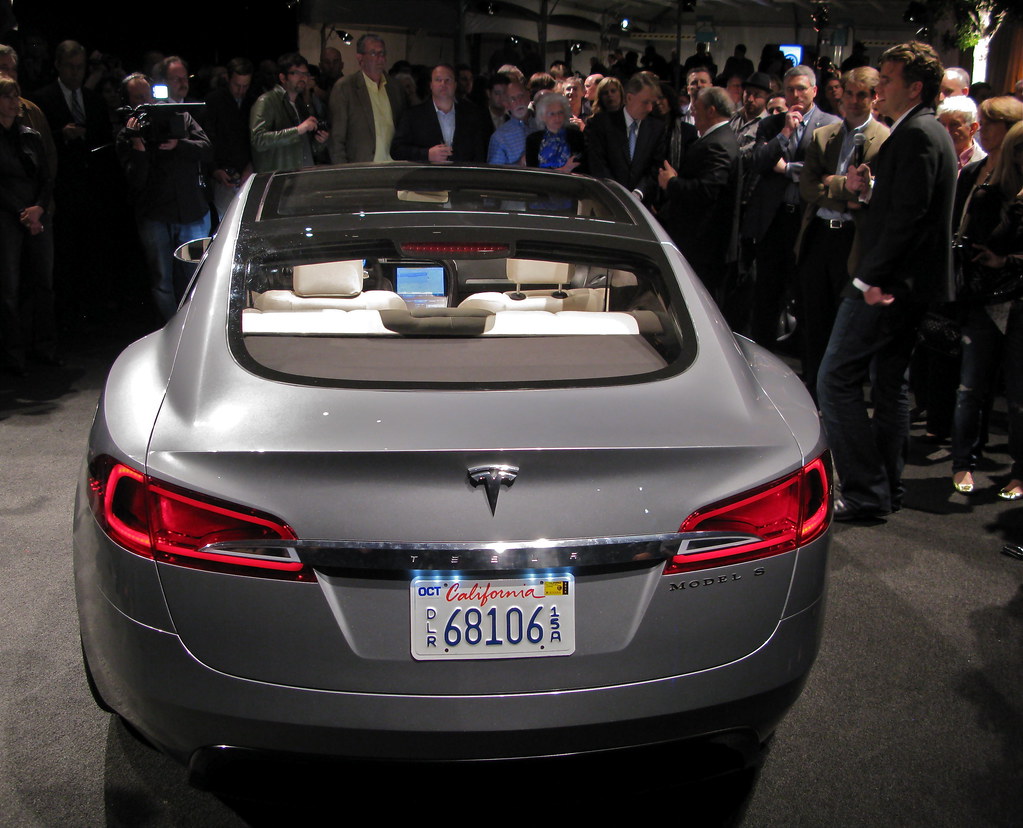
Pack design also affects where the weight sits. Putting the battery in the floor lowers the centre of gravity and improves handling. It also eats into cabin space and dictates how the rest of the chassis is designed. So “the battery” isn’t just chemistry — it’s mechanical, electrical, and thermal engineering working together.
Electric Motors: Simple in Principle, Tricky in Practice
EV motors are conceptually simple: electricity creates magnetic fields that spin a rotor. No pistons, no valves, no exhaust. But making them efficient, compact, and reliable at the power levels a car needs is hard. Most modern EVs use permanent-magnet or induction motors. Permanent-magnet motors are efficient and power-dense but use rare-earth materials; induction motors avoid those but can be heavier and less efficient at low load. Some cars use one motor per axle or even per wheel, which opens the door to torque vectoring and better traction control — all managed by software.

Thermal Management: The Unsung Hero
Batteries and motors care a lot about temperature. Too cold and you lose range and power; too hot and you risk degradation or throttling. So EVs need careful thermal management: liquid-cooled or heated packs, motor cooling, and often a heat pump that can warm the cabin efficiently by moving heat from the drivetrain or the outside air. In winter, that heat pump can add meaningful range compared with simple resistance heating. In summer, keeping the pack cool during fast charging is what lets you sustain high charge rates. None of this is visible from the driver’s seat, but it’s critical to how the car performs and ages.
Regen and One-Pedal Driving
When you lift off the accelerator, the motor can act as a generator, slowing the car and putting energy back into the battery. That’s regenerative braking. Engineers tune how strong it is — some cars let you choose — and how it blends with the friction brakes. Get it right and you get “one-pedal” driving where you rarely touch the brake. That’s not magic; it’s motor control software and calibration, and it affects both efficiency and how natural the car feels.

Software and OTA
Modern EVs are heavily software-defined. The same hardware can get better (or worse) with updates: battery management, motor mapping, charging curves, and driver-assist features. Over-the-air (OTA) updates mean that the car you buy can gain range improvements, new features, or bug fixes without a visit to the dealer. That’s a shift from traditional automotive engineering, where the car was largely fixed at the factory. It also means that software quality and security are part of the hidden engineering — and when they’re done well, you get a product that improves over time.
Crash Safety and Packaging
A big battery pack is a big mass that has to be protected. Crash structures are designed to keep the pack from being punctured or crushed; cells are often surrounded by fire-resistant materials and isolation. That affects where the pack can go, how the floor is built, and how crumple zones are tuned. So safety isn’t an add-on — it’s baked into the layout from the start.
The hidden engineering behind modern EVs is what turns “electric car” from a concept into something you can drive every day: reliable, efficient, and increasingly capable. Batteries, motors, thermal systems, and software all have to work together. Once you know what’s under the skin, you appreciate how much has changed — and how much is still evolving.