Esports Contracts and Career Ceilings: What Young Players Learn Too Late

Jake Merritt
April 8, 2026
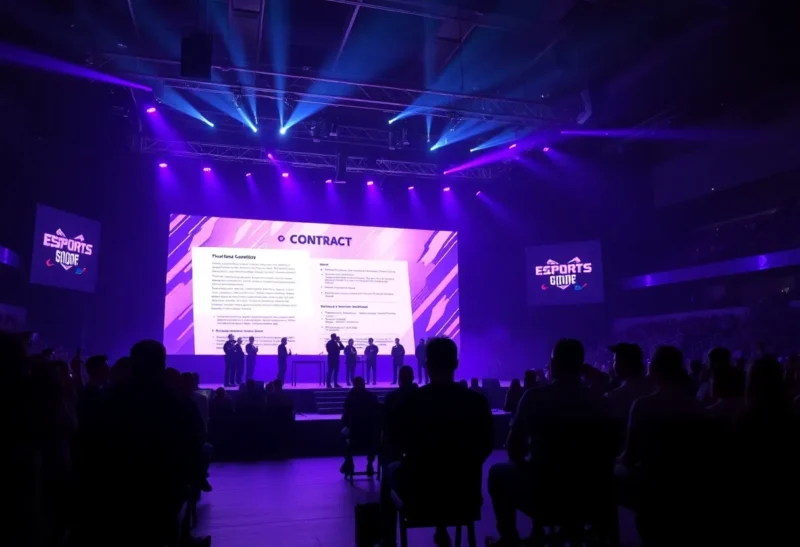
Esports careers seduce with stage lights and highlight reels. The paperwork behind them is quieter: multi-year deals with option years, revenue splits that never look like the headline salary, non-competes that outlive your peak mechanics, and streaming rights you did not know you signed away. Young players often learn these lessons after the first benching or roster shuffle—when leverage is gone. This article maps the contract realities that create career ceilings in competitive gaming: what orgs optimize for, what players mistakenly assume, and what to verify before ink dries.
This is not legal advice—jurisdictions and game titles differ—but it is a checklist of pain points repeated across scenes from MOBAs to tactical shooters to fighting games.
Parents and mentors: the emotional rush of “my kid went pro” can cloud due diligence. Slow down enough to read schedules, education plans, and exit ramps. A career that peaks at nineteen still deserves a safety net at twenty-five.
The talent pipeline moves fast; contracts linger
Rosters churn between splits. Contracts are written to survive roster drama—sometimes at player expense. A “two-year deal” might include team options, buyouts, or performance triggers that shorten effective security. Read duration clauses alongside termination for convenience language; esports has seen releases that look like sports cuts but carry fewer union protections.
Patch cycles and meta shifts are business risk for orgs; for players, they are existential skill risk. Contracts rarely guarantee role security when the game changes—only leverage and reputation buffer you.

Compensation: salary is only one line item
Headline figures in announcements rarely capture the full envelope: housing stipends, gear, coaching, travel quality, and performance bonuses tied to placements you cannot fully control. Some packages front-load marketing obligations—hours of streaming, content shoots, sponsor activations—that compete with practice time.
Equity or revenue share in org-branded products sounds exciting; valuation and vesting matter more than logos. If you cannot explain the cap table, pause.
Taxes confuse international talent: prize money, salary, and streaming payouts may cross regimes. Budget accountants who understand gaming—not just generic payroll.
Image and streaming rights: where money hides
Organizations monetize brand reach. Contracts may claim broad rights to your likeness in team contexts—fair—but watch for grabs on personal channels or indefinite clip licenses. Streaming income splits and platform ad revenue deserve explicit tables, not vibes.
Sponsor conflicts appear when personal deals overlap team exclusives—energy drinks, peripherals, VPNs. Define categories clearly; ambiguity becomes forfeited income.

Health, ergonomics, and the physical ceiling
Wrist, neck, and sleep debt end careers before contracts do. Good orgs invest in trainers; others treat medical as your problem. Insurance portability matters when you change regions for leagues—travel insurance is not a career health plan.
Mental health support varies widely—counseling stipends versus “tough it out” culture. Burnout shortens careers; contracts rarely monetize counseling, but good ones do not punish you for seeking it.
Minors, guardians, and uneven information
Teen prodigies may sign with guardians present who are not contract professionals. Jurisdictions differ on enforceability of non-competes for young adults. Independent counsel is not paranoia; it is baseline risk management.
Collegiate pathways and national federations add layers—eligibility rules, visa categories for bootcamps abroad, and school enrollment requirements. Signing quickly to “secure a spot” can close doors elsewhere.
What to negotiate before you feel famous
- Clear scope of services: hours for sponsor duties versus scrim blocks.
- Assignment and loan rights: can you be shipped to affiliate teams without consent?
- Dispute resolution: arbitration clauses, venue, and governing law—know them.
- Streaming IP: who owns VOD archives and highlight channels after exit?
- Social media passwords: who controls accounts labeled team versus personal?
- Relocation: who pays flights if you are traded mid-season?
Power dynamics: org brand vs player brand
Top orgs bring infrastructure—coaches, analysts, psychologists, content teams—but also capture upside from your audience. Emerging players may accept aggressive splits for exposure; established names should invert the leverage. Document audience metrics you bring in—followers, average viewers, clip conversion—so negotiations reflect data, not narrative.
Agents and representatives vary—some add real value with sponsor intros and legal networks; others clip coupons on your prize money. Fee structures should be transparent: percentage of what, for how long, and whether post-team deals remain encumbered. Verify conflicts of interest if an agency also represents the org.
Visas, bootcamps, and immigration traps
International bootcamps and LAN finals require visas with narrow purposes. Work versus competition versus tourism categories differ by country; overstaying or working off-books creates bans that end careers quietly. Orgs experienced with immigration paperwork are worth premium—missed flights due to paperwork are missed scrim weeks.
Prize pools, stipends, and who touches the money
Tournament winnings may route through org accounts depending on structure. Understand timing: when you see cash, who advances travel costs, and how tax withholding works across borders. A big prize headline can feel small after splits, flights, and gear replacements.
Publisher rules and competitive integrity
Game publishers set eligibility, cheating enforcement, and account bans—outside your org contract entirely. Read rulebooks for alt-account policies, betting prohibitions, and harassment enforcement. A competitive ban vaporizes contract value overnight; compliance is part of career hygiene.
Gambling and crypto sponsors bring jurisdiction-specific rules—age-gating, disclosure labels, and platform advertising policies. Signing a personal deal that conflicts with league advertising bans can force awkward mid-contract unwinds.
Platforms: Twitch, YouTube, Kick, and the fine print
Streaming platforms change revenue splits, exclusivity incentives, and content moderation thresholds. Your org may care which platform you emphasize for co-streams of official matches—read league broadcast rules before promising fans a “second screen” experience that violates exclusivity.
Demonetization or bans on personal channels can tank income orthogonal to skill—understand community guidelines and maintain backups of content offline.
When the ceiling is not money—it is opportunity
Bench time kills development. Contracts that guarantee playtime are rare; instead seek transparent performance review processes and substitute conditions. Development league slots beat rotting on a ten-man roster with no stage minutes.
Scrims and ladder rank do not always translate to stage nerves—orgs know this and sometimes cycle players aggressively. Ask how feedback loops work and whether you get VOD review time with coaches or just blame in Discord.
Life after the jersey: coaching, casting, and content
Short competitive primes push players toward adjacent careers—coaching, analysis, casting, or full-time streaming. Contracts sometimes include soft non-competes around coaching rival orgs; understand cooling-off periods. If you aspire to broadcast, retain clip rights and build a reel independent of team editors.
Education credentials still matter outside the arena—business classes help you read your own statements. The ceiling is not only prize pools; it is optionality when reflexes fade.
Some players pivot to game design or QA; NDAs from org work may limit what you share in portfolios—negotiate carve-outs for personal projects when possible.
Collective voice: unions, associations, and peer networks
Traditional sports unions took decades; esports has seen player associations, working groups, and informal discords sharing salary benchmarks. None replace your lawyer, but collective information narrows exploitative spreads. Be cautious sharing specifics publicly—antitrust and contract confidentiality still apply—but private peer comparisons help.
When leagues announce minimum salaries or benefits, verify adoption per region—global operations unevenly implement reforms.
Women’s scenes and structural ceilings
Prize pools, audience size, and sponsor investment still skew in many titles. Contract fairness intersects with access to scrims, harassment policies, and travel safety. Orgs that publish clear conduct codes and enforce them reduce non-financial career risk—worth weighing alongside salary.
Training houses, living conditions, and “free” rent
Team houses bundle rent with expectations—curfews, content schedules, shared spaces. If housing is a perk, read whether it is taxable income in your jurisdiction and what happens when you are benched—do you move out mid-lease? Ambiguity here creates stress that shows up in performance.
Internet quality is not trivial—packet loss shows up as missed inputs before viewers notice stream bitrate issues. If the org skimps on business-class connectivity, you are paying for their savings in ELO.
Bottom line
Esports contracts mirror startup employment more than traditional sports unions—fast iteration, uneven bargaining power, and brand economics that reward orgs with marketing machines. Players who treat signing day like a championship parade often meet reality at the first patch notes that nerf their role. Bring advisors, read the splits, protect your stream, and invest in the body that holds the mouse. The ceiling moves when you negotiate with information, not hope.
Keep a personal copy of every amendment, message thread, and roster announcement—memory is not evidence. Your future self negotiating the next deal will thank you.