Pocket E-Ink in 2026: Supernote Nomad vs Boox Palma for Always-Carry Reading

Leila Haddad
April 8, 2026
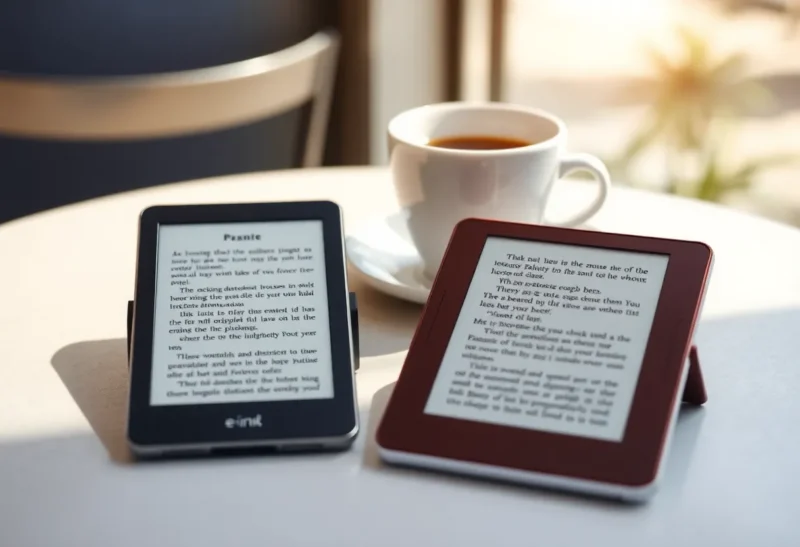
Pocket e-ink is having a moment. Not the big notetaking slates you leave on a desk—the phone-sized slabs you can slip into a jacket pocket between grocery runs and subway rides. Two names surface constantly in 2026 discussions: Supernote’s Nomad-class pocket line for people who want handwriting-first minimalism, and Onyx Boox’s Palma-style phone-shaped readers for people who want Android apps and aggressive iteration. Both can be “the one you carry.” If you already own a desk tablet and the pocket unit is a satellite, start with Move versus Nomad. They optimize for different definitions of “carry.”
This comparison is not a spec-sheet race—those change with firmware. It is a workflow guide: which device rewards readers, which rewards ink, and which trade-offs still hurt when your goal is always-available reading without another glowing rectangle.
Retail listings will dangle PPI, refresh modes, and chip names. Useful, but secondary. Start from your daily path: commute reading, quick capture, library loans, PDF markup—then let specs support the decision, not drive it.
The pocket promise: what you are really buying
Pocket e-ink promises two things mainstream phones cannot: outdoor readability without maxing brightness, and attention without notifications hijacking your eyeballs—assuming you resist installing Slack on an Android reader. The catch is always software polish: small screens magnify janky gestures, and slow refresh rates punish bad app design.
Also be honest about your hand size and eyesight. Pocket devices trade screen real estate for portability. If you need large fonts, you will scroll more; if you read academic PDFs with two-column layouts, you will pinch-zoom constantly. That is not a moral failure—just a signal you might need a mid-size reader for those tasks and a pocket unit for novels and quick capture.
Quick mental model: two philosophies
Supernote-flavored pockets ask: “What can we remove to make writing feel inevitable?” Boox-flavored pockets ask: “What can we enable if we accept Android’s complexity?” Neither question is wrong; they optimize different pains. Your job is to match the philosophy to your habits, not to the hype thread you saw last night.
Supernote Nomad: the note-first pocket
Supernote built its reputation on restraint: durable feel, thoughtful pen integration, and a software philosophy that treats the device as a notebook, not a tablet pretending to be a laptop. The pocket form factor inherits that DNA. If your primary carry goal is capturing ink—meeting notes, diagrams, quick annotations—the Nomad line tends to feel coherent. Reading is supported, but the emotional center is writing.
Strengths often cited by users: tactile hardware focus, a UI that avoids Android chaos, and a calm update cadence. Trade-offs: you get less “install anything” flexibility than open Android. If your dream workflow is a niche RSS reader plus three sideloaded utilities, you may feel boxed in.
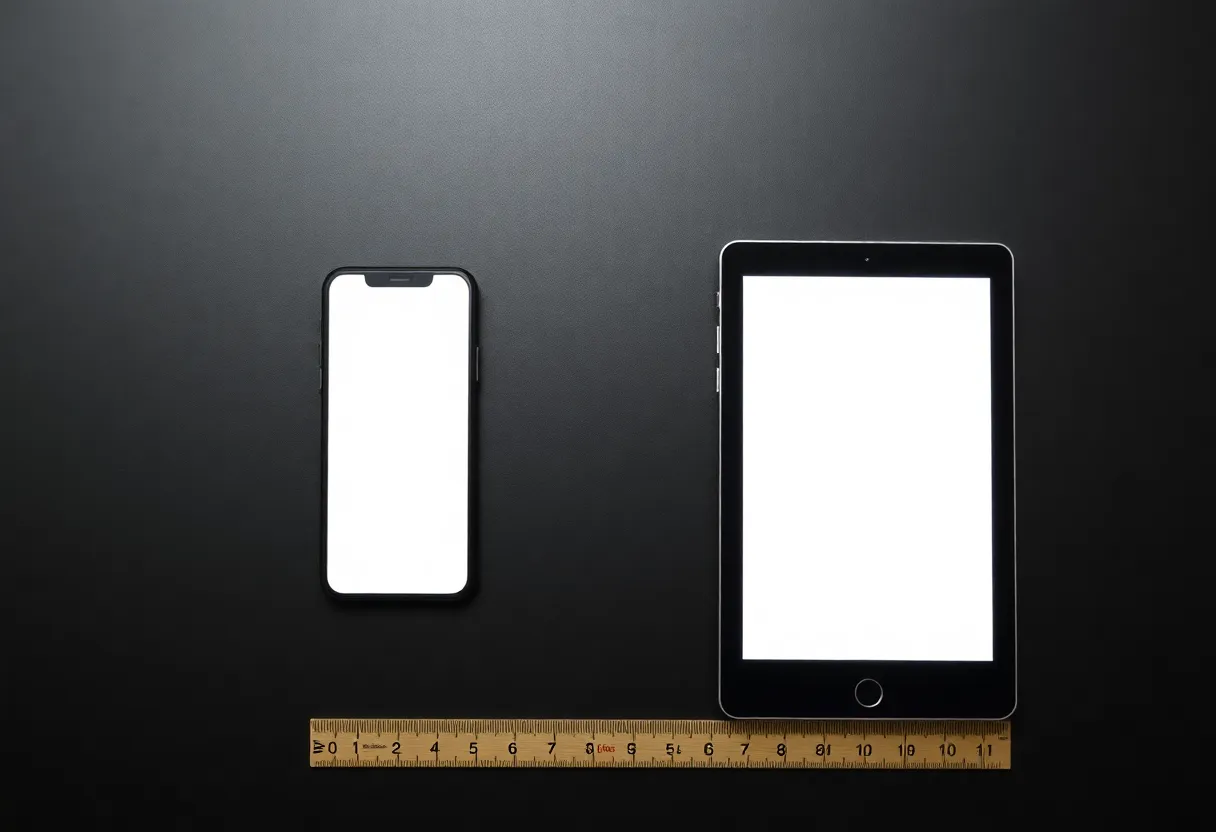
Boox Palma: the Android pocket reader
Boox’s Palma-shaped devices lean into the phone metaphor: Android, app stores (with caveats), and aggressive feature updates. If your primary carry goal is reading across apps—Kindle, Libby, manga, RSS, web articles—Palma can be delightful. You can optimize refresh modes, tweak DPI, and sometimes hack around vendor quirks with third-party tools.
That power comes with responsibility. Android on e-ink still rewards minimalism. Background apps and aggressive sync can drain battery and introduce jitter. The best Palma users treat it like a focused appliance—few apps, deliberate sync schedules—not a clone of their phone.
Reading: who wins?
For long-form reading across many sources, Palma often wins flexibility. For PDFs that need markup and handwritten margin notes, Supernote’s pocket philosophy can feel more cohesive. For pure fiction, either works—pick based on store ecosystem and whether you want Kindle/Libby convenience (Android) or a calmer, more curated stack.
News and RSS junkies often lean Android for app choice; book purists sometimes lean Supernote for fewer temptations. If you read a lot of web articles, browser quality and ad clutter matter—Android gives you more levers, but also more rope.
Handwriting: who wins?
If you are choosing between these specifically for ink, bias toward Supernote’s hardware-software pairing. If you want a capable stylus but will mostly read, Palma can still suffice—just verify latency and feel against your preferred pen.
Consider paper templates: meeting notes, Cornell layouts, storyboarding—whatever you actually use. A pocket screen is small for sprawling diagrams. If your handwriting is large, test whether zooming and panning feels natural or fiddly. The best pen experience on paper does not always translate when palm rejection and scrolling compete for the same gestures.
Audio, TTS, and podcasts: the hidden temptation
Some Android readers can run audiobook apps or text-to-speech. That can be great for accessibility—or a distraction engine. Supernote’s more focused stack may discourage multitasking by design. Decide whether you want “reading only” or “reading plus audio.” Mixing both on a tiny device can work, but it also nudges you back toward phone-like behavior.
Color vs grayscale on pocket screens
Color e-ink exists in larger sizes; pocket devices often remain grayscale for good reason—battery, clarity, and refresh. If you read comics with subtle shading, preview how dithering looks. If you mostly read text, grayscale is a feature: fewer visual gimmicks, more reading.
Sync and the second-device problem
Pocket readers shine when they sync reading position with your larger tablet or phone—but only if your ecosystem cooperates. Kindle and some other ecosystems sync well; indie EPUB stacks may not. If you jump between devices, test the workflow before you trust it on a trip. Nothing kills pocket e-ink faster than manually hunting for your page every time you switch hardware.
Battery, weight, and the “actually carry” test
A device that stays home is zero ounces in your pocket. The winner is the one you will carry despite keys, wallet, and weather. Smaller isn’t always better if text feels cramped; phone-shaped readers need good typography controls. Test font sizes you will actually use outdoors, not in a dim office.
Accessibility, typography, and night reading
Small screens punish weak typography engines. If you rely on large fonts, bold weight, or high-contrast modes, spend time in store demos adjusting line spacing—not just font size. Night warm lighting on LCD phones spoils us; e-ink front lights vary in uniformity. For insomnia-prone readers, the goal is a comfortable minimum brightness without patchy glow—worth checking on both contenders before committing.
Library ecosystems: DRM, loans, and indie books
Public library apps, bookstore DRM, and indie EPUB workflows all have friction points. Android readers can sometimes sideload more freely, but “freedom” still competes with usability. Supernote’s calmer stack may nudge you toward fewer stores but cleaner pipelines. Neither device removes publisher restrictions; they only change how annoying the workaround feels.
Travel, security lines, and social contexts
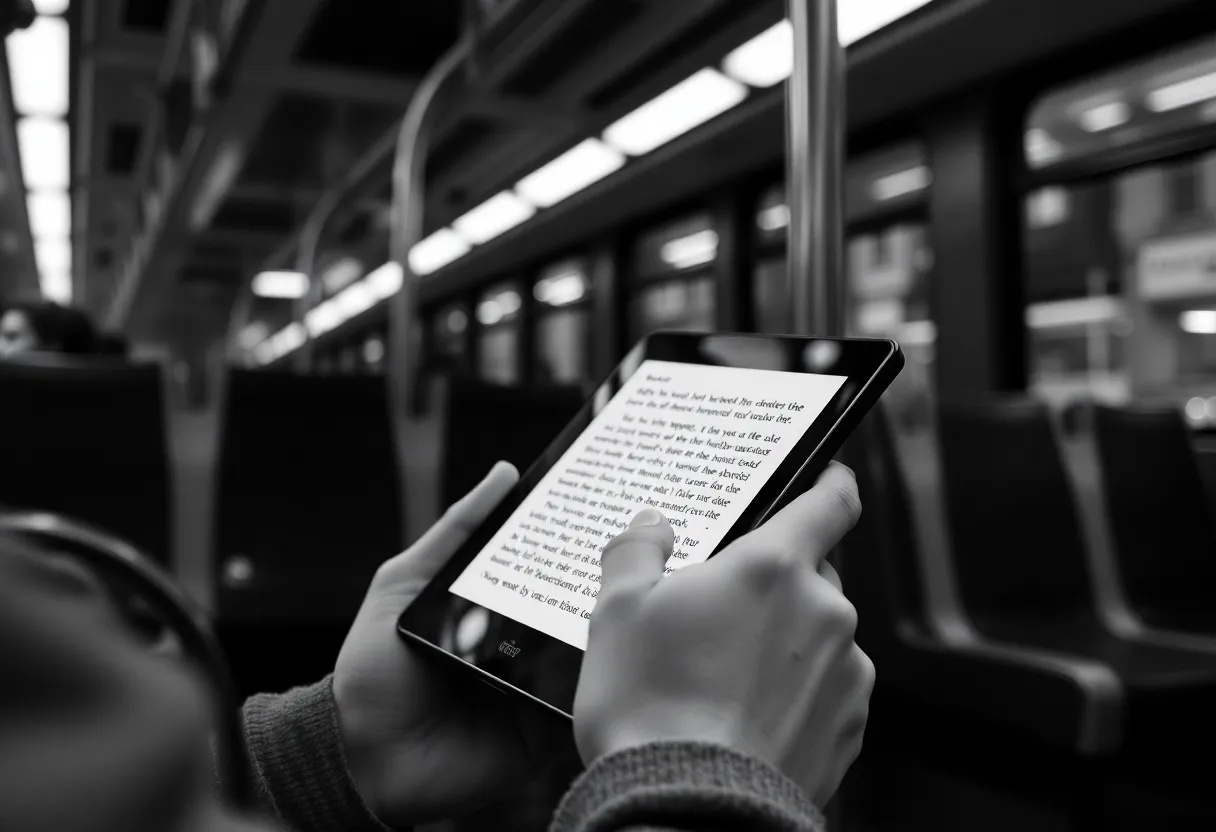
Pocket devices shine in transit—planes, buses, waiting rooms—where phones tempt distraction. Some travelers prefer a non-phone gadget for psychological separation: “this is for books.” Others dislike carrying redundant hardware. Be honest about your tolerance for an extra device. If you already carry a large phone and a big e-reader, a pocket unit might be redundant; if you only carry a phone, a pocket e-ink can replace doomscrolling without replacing your whole digital life.
2026 buying reality: updates, accessories, and support
Both ecosystems iterate quickly. Firmware can fix—or break—refresh behavior. Check recent community feedback before buying. Accessories matter: cases, screen protectors, and pens change daily use more than benchmark numbers.
Who should pick which
Choose Supernote Nomad if you want a focused notebook that can read, and you value a deliberate product philosophy over raw app flexibility.
Choose Boox Palma if you want Android reading power and can discipline yourself against app sprawl.
Choose neither yet if you need large PDFs or split-screen research—step up a size class.
Environmental and durability notes
E-ink devices are fragile in different ways than phones—plastic screens, pressure-sensitive layers, and pens that love to roll off tables. Cases matter. If you live in humid climates or cold winters, consider how you handle condensation when moving from outside to overheated interiors. The “pocket” form factor is easier to drop; a wrist strap or grippy case can save more money than a warranty.
Used markets and resale: a practical angle
Pocket e-ink holds value better when demand spikes and worse when a new generation lands. If you are price-sensitive, consider certified refurb routes and seller reputation—battery wear matters more than cosmetic scuffs. Ask for battery health anecdotes when buying used; e-ink sips power, but old cells still age.
Closing
Pocket e-ink is not about replacing your phone; it is about replacing mindless scrolling with something gentler on eyes and attention. Supernote Nomad and Boox Palma both deliver on that promise when your workflow matches their strengths. Pick the pocket that matches your primary verb—write or read—and you will actually carry it.
Whatever you buy, set it up once—fonts, sync, home screen clutter—then stop tweaking for a week. The best reading device is the one you trust enough to disappear into a book.