Self-Hosted Home Assistant Yellow vs Commercial Zigbee Hubs in 2026

Drew Morrison
April 7, 2026
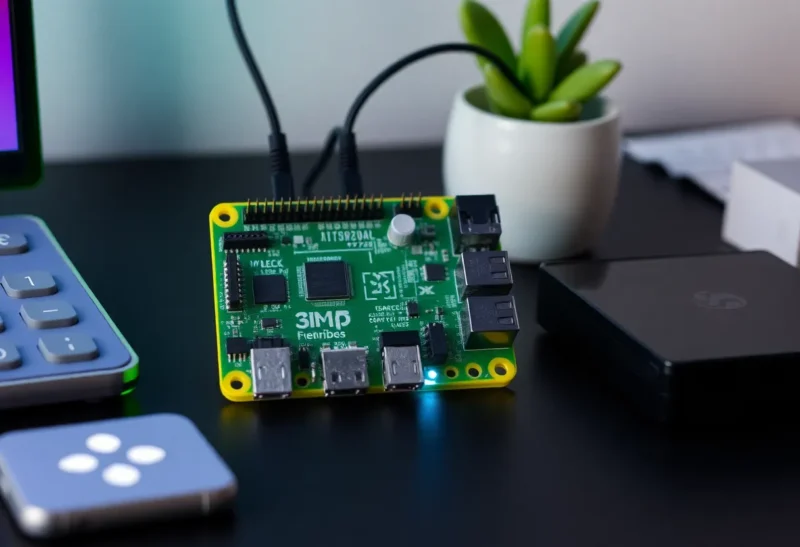
The Home Assistant Yellow is not “just another Raspberry Pi project.” It is a deliberate appliance-style platform: integrated Zigbee/Thread radio options, SSD-friendly storage, and a path to run your whole house without a subscription dashboard. Commercial Zigbee hubs—Samsung SmartThings, Aeotec, Hubitat, vendor-branded bridges—promise faster setup and polished apps. In 2026, the choice is less about which box has more MHz and more about who owns your failure modes when the internet hiccups or Matter shuffles the deck again.
This comparison is written for people who are tired of cloud excuses but honest about how much tinkering they will tolerate. Yellow wins on flexibility; commercial hubs win on hand-holding—until they do not.
What Yellow is optimizing for
Yellow pairs compute with optional radios and encourages local-first automations: Node-RED, YAML, templates, Bluetooth proxies, Zigbee2MQTT or ZHA, backups you control, and add-ons for cameras or voice pipelines if you want them. The optimization target is ownership—of data, of updates, of diagnostics when something obscure breaks at 1 a.m.
Trade-offs: you are the admin. Firmware updates, SD wear (mitigated if you use SSD), and Zigbee channel planning are your homework. That is a feature if you like reproducible systems; it is a bug if you want a single “it just works” button for relatives.
What commercial hubs still do well
Polished onboarding, manufacturer partnerships, and sometimes slick automations for mainstream devices remain commercial strengths. For apartments or gifts, a hub that pairs in minutes and exposes basic scenes can be the correct answer. Many also integrate cloud services you may actually want—voice assistants, weather, presence from phones—without you wiring OAuth yourself.
The weakness shows up in policy churn, account requirements, and long-term roadmap risk. A hub that is lovely on day three can frustrate on day three hundred when a breaking app redesign ships or a cloud endpoint lags.

Radio reality: Zigbee is only part of the 2026 stack
Thread and Matter complicate the hub market. Yellow’s modular radios aim at a multi-protocol future without forcing you to buy a new plastic puck every year. Commercial hubs vary: some Thread/Matter support is mature; some is marketing veneer. When comparing, ask specifically which protocols are local-first on your LAN versus cloud-brokered. “Works with Matter” is not one sentence; it is a matrix.
Reliability and debugging
Yellow gives logs, MQTT traffic, and community knowledge bases. When a device misbehaves, you can usually trace why. Commercial hubs often hide internals—great for simplicity, awful when you need to prove whether the mesh or the cloud is at fault. If your household treats downtime as a moral failing, Yellow’s transparency pays rent.
Cost over five years
Sticker price is a trap. Include subscription fees (if any), required cloud bridges, replacement hardware cadence, and your own time. Yellow can be cheaper financially and more expensive emotionally. Commercial hubs can be the reverse. There is no universal winner—only a winner for your patience budget.
Who should pick Yellow
- You want local control, backups, and reproducible configs.
- You enjoy reading release notes and testing beta integrations.
- You plan to grow past a dozen devices into a real mesh with diagnostics.
Who should pick a commercial hub
- You need the shortest path to basic scenes and remote access.
- You refuse to SSH into anything, ever.
- Your ecosystem is already locked to a vendor that plays nicest with that hub.
Security posture: surface area and updates
Self-hosted platforms inherit your network hygiene. VLAN segmentation, TLS for remote access, and prompt patching matter more when your hub is also a general-purpose Linux host. Commercial hubs shrink visible surface but concentrate risk: a single vendor breach or misconfiguration affects many users at once. Neither story is automatically safer—Yellow rewards disciplined admins; commercial hubs reward vendors who ship timely security fixes. Check historical CVE response times before you romanticize either camp.
Household acceptance factor
If partners or roommates need a dead-simple app, commercial dashboards sometimes win family politics. Home Assistant’s interface has improved dramatically, but it still smells like a power tool. Factor training time: a five-minute commercial onboarding versus a Yellow evening where you tune themes, names, and default dashboards so guests are not frightened by raw entities.
Hybrid paths
Some homes run Yellow as the brain and keep a small commercial bridge only for stubborn accessories—accepting some cloud glue as a tactical compromise. Document why the bridge exists so future-you does not mythologize it as essential when it is merely convenient.
Bottom line
In 2026, Yellow is the pragmatic flagship for self-hosters who want Zigbee/Thread under one roof without surrendering observability. Commercial hubs remain valid for low-touch setups. Pick based on who you want debugging at midnight—you, or a ticket queue.