EV Battery Preconditioning Before DC Fast Charging: Why It Matters More Than Peak kW

Jordan Lee
April 7, 2026
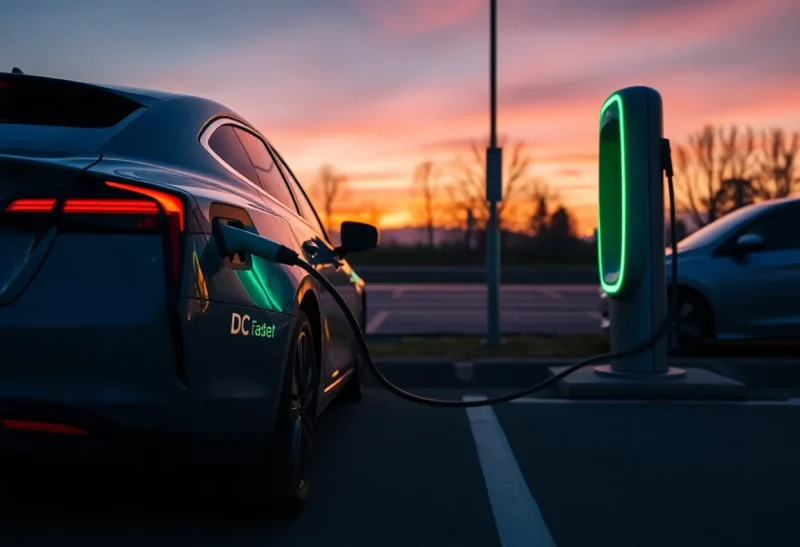
DC fast charging headlines love peak kilowatts the way GPU launches love shader counts: big numbers move metal. On the road, though, your session shape is often decided long before you plug in—by battery temperature, state of charge, and whether the car knew you were heading to a charger. Preconditioning is the hidden dial that determines whether you get the advertised rush of electrons or a polite throttle that protects the pack.
This article explains what preconditioning does, why it beats obsessing over sticker kW, and how to build habits that waste less time at the plug without treating the battery like a rental car someone else has to maintain.
What “preconditioning” means in plain language
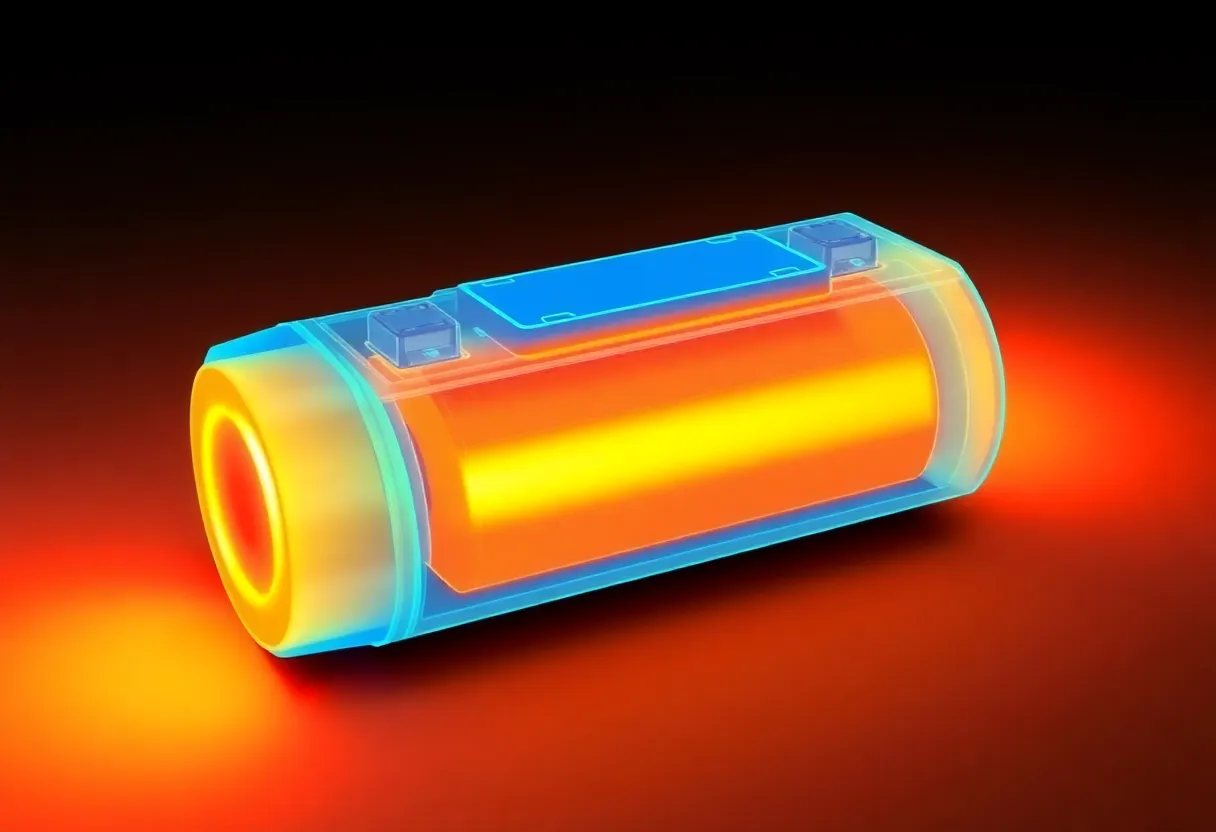
Preconditioning is the car (or your scheduled departure settings) warming or cooling the battery toward a temperature band where it can accept high charge power safely. Think of it as stretching before a sprint: the chemistry tolerates more current when it is not ice-cold from a winter night or sweltering after aggressive highway driving without airflow management.
Manufacturers implement this differently—navigation-linked battery prep, manual “precondition for charging” toggles, or implicit behavior when you select a DC station in the infotainment. The user-visible part is similar: energy is spent ahead of time so the charge curve can stay higher for longer.
Why peak kW is a misleading scoreboard
A 350 kW stall headline is not a promise; it is a ceiling negotiated moment by moment. The car requests power based on cell voltage, temperature, internal resistance, and software guardrails. Two identical chargers can yield wildly different average power if one driver arrives with a tepid pack and another with a preconditioned one. Track energy added per minute or time to 80% for trips you actually drive—that is the number that changes your schedule.
Cold weather: where preconditioning saves winter road trips
Cold increases internal resistance. Without prep, the car may cap current to avoid lithium plating risk or uneven heating. Preconditioning trades a little range upfront for a steeper charging ramp when you need it. The win is not vanity; it is fewer minutes standing in sleet and more predictable arrival times when you chain chargers across a sparse corridor.
If your EV does not auto-precondition, learn the manual path before you need it at 11 p.m. in a strange town. Winter is the wrong season to discover menu nesting.
Hot weather and highway heat-soak
Heat is the other tail on the distribution. After sustained high-power driving, cells and coolant loops may need time to stabilize. Some cars precondition toward a cooler target before fast charging in summer. Skipping that step can mean earlier derating or more aggressive fan noise at the stall—both signs the pack is protecting itself.
State of charge interacts with temperature
Even with perfect preconditioning, charging slows dramatically at high SOC by design. The useful combo is “right temperature + sensible arrival SOC.” Rolling into a charger at 4% sounds dramatic on forums; in practice it adds stress and can backfire if a stall is occupied. Aim for buffers that match your risk tolerance, not influencer theatrics.
Efficiency trade-offs: spending energy to save time
Preconditioning consumes electrons you could have driven on. On long trips, the accounting usually favors faster charging stops. On short hops, blindly preheating for a five-minute top-off can be silly. Use navigation-linked automation when available; it tends to minimize wasted prep relative to human guesswork.
Battery health framing: preconditioning is not “cheating” the BMS
Some owners worry that warming a pack before charging adds cycles or wear. Modern battery management systems treat preconditioning as part of normal operation—often gentler than hammering a cold pack with full current because you were in a hurry. The larger longevity drivers remain avoiding chronic 100% sits, extreme heat while parked at high SOC, and DC fast charging as your only diet. Preconditioning for occasional trips sits low on that risk list compared with ignoring temperature entirely.
Station-side limits still apply
Even a perfectly conditioned battery cannot pull more than the charger, cable, and site power budget allow. Shared cabinets split current across stalls; overheating handles trigger derating. If your curve disappoints, do not immediately blame your car—check whether the adjacent vehicle just started a session. Preconditioning wins head-to-head battles against your own pack limits; it does not rewrite utility infrastructure.
What to do if your car lacks fancy nav integration
- Start battery prep manually 10–20 minutes before arrival when temperatures are extreme.
- Avoid sprinting to the charger immediately after a heat-soak unless the manual suggests otherwise.
- Watch the charge curve: if power ramps slowly then jumps, you likely arrived cold.
Bottom line
Peak kW is a billboard; preconditioning is the backstage crew. Respect both, but optimize for the average power you actually see across your real routes. The EV ecosystem will keep advertising bigger numbers—your job is to arrive with a pack that can use them without turning every road trip into a chemistry gamble.