Foldable E-Ink Hybrids in 2026: Durability Claims vs Daily Carry

Mira Sandoval
April 7, 2026
Folding phones stopped being science fiction years ago. Folding e-ink is a different puzzle: the panel wants to bend, the frontlight wants uniformity, and the marketing department wants you to believe the hinge will survive a thousand commutes. In 2026, “hybrid” readers—devices that promise both portability and a larger canvas—are showing up in more lineups. The honest buyer question is not whether the idea is cool; it is whether the failure modes match how you actually carry tech.
This article separates durability claims from daily-carry reality: what folding implies for e-ink stacks, what reviewers usually cannot test in a week, and how to decide between a foldable hybrid and a traditional slate plus a good bag.
Why folding e-ink is harder than folding OLED
OLED foldables hide their scars behind glass polish and aggressive image processing. E-ink depends on microscopic capsules and precise spacing across a large matte surface. A hinge introduces mechanical stress, torque when you hold one-handed, and a seam where frontlight guides can look uneven. Manufacturers can engineer around some of that; they cannot repeal physics. The result is a narrower band of “good enough” compared to rigid readers—especially for people who want crisp note-taking at an angle.
That does not mean foldables are fake. It means the trade-offs are specific: you buy folded pocketability and unfolded acreage, and you pay in thickness, weight distribution, and long-term hinge wear. For reading-only users, a thin non-folding reader often still wins on battery and peace of mind.
What marketing claims usually mean
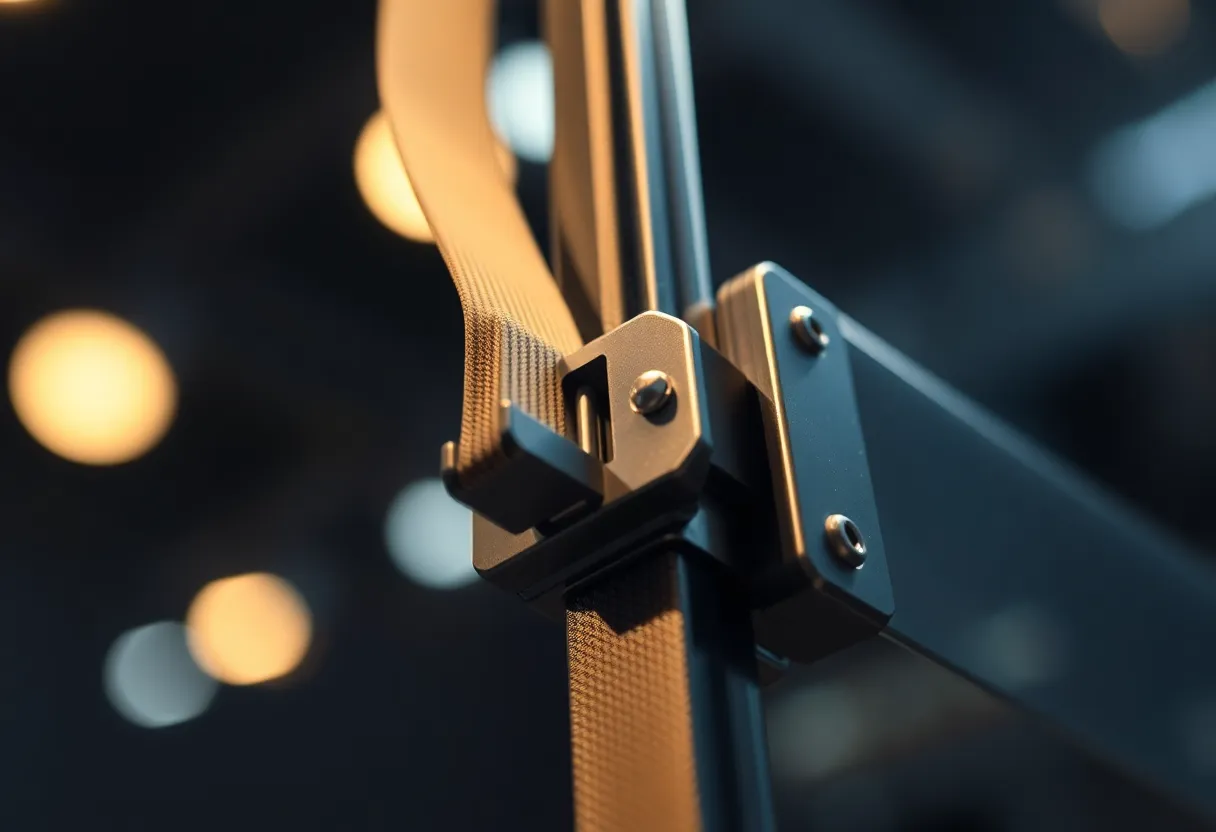
When a spec sheet says “lab-tested fold cycles,” translate carefully. Labs fold on a rhythm, controlled temperature, and clean hands. Your pocket adds lint, keys, and diagonal pressure when you sit. “Reinforced hinge” tells you metal exists; it does not tell you how the display substrate ages after summer heat cycles.
More useful signals include: official repair parts availability, documented user-replaceable batteries (rare but precious), warranty language on mechanical wear, and whether the company has shipped a generation two hinge without pretending generation one never happened.
Daily carry: the questions commuters actually feel
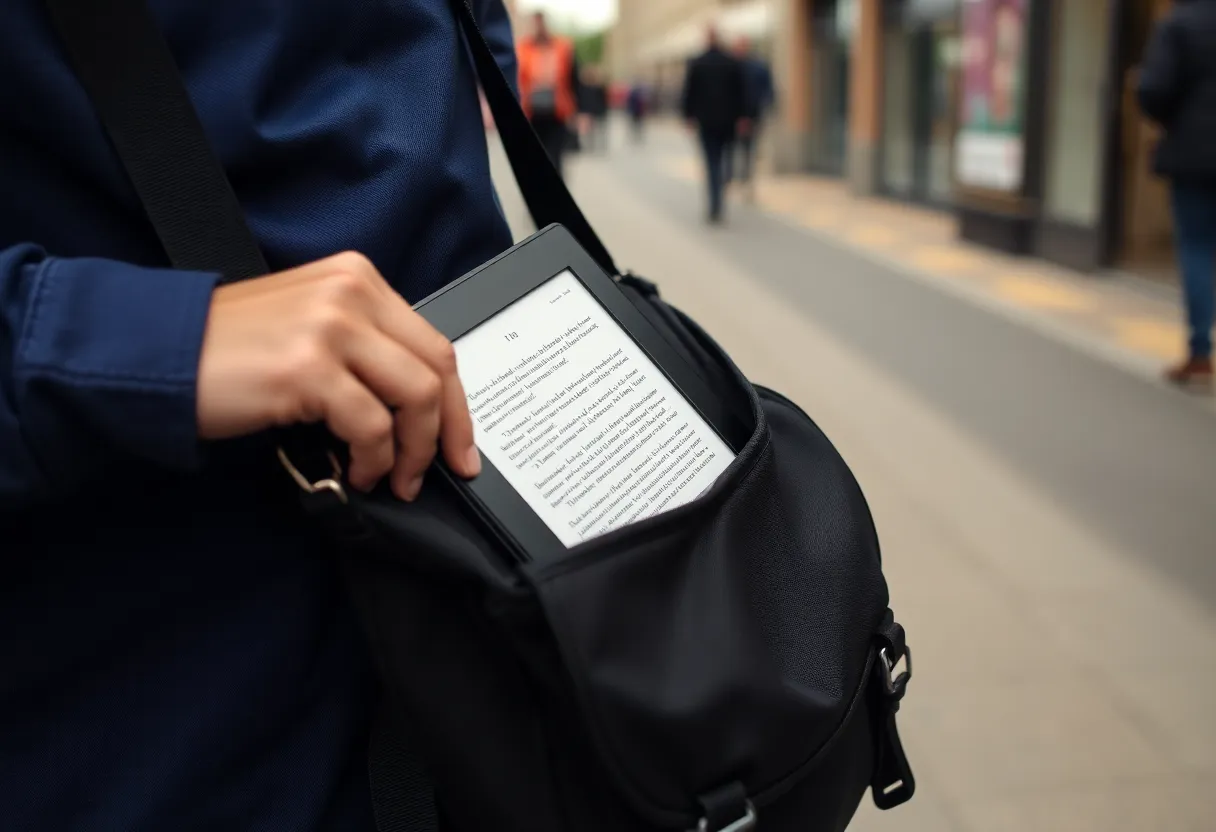
- Closed thickness: Does it disappear in a jacket pocket or fight every zipper?
- Weight bias: When half-open for notes, does it tip backward without a case?
- Case dependency: If the “good” experience requires a $80 folio, price that in.
- One-hand reading: Some folds excel at two-hand desk use and feel awkward on a subway strap.
- Dust at the seam: E-ink shows particles mercilessly; hinges attract them.
If you mostly read in bed or at a desk, a fold’s pocket advantage may never matter. If you walk miles with a bag, hinge robustness and case bulk matter more than keynote animations.
Note-takers vs readers: different hinge economics
Handwriting amplifies torque. People press harder than they think; they rest palms on the lower half; they rotate the device mid-line. Rigid slates distribute that stress predictably. Folds can develop micro-variations in friction along the seam that stylus firmware tries to mask—sometimes successfully, sometimes not. If your primary use is dense annotation, borrow the device for a week and test your grip, not a reviewer’s.
Color e-ink and foldables: compounding compromises
Color panels already trade refresh rate and contrast for pigment layers. Adding a hinge can exaggerate viewing-angle quirks—especially where marketing photos use studio lighting you will never have on a park bench. If color is central to your workflow, verify outdoor behavior and ghosting after rapid page turns, not just hero shots.
Alternatives worth considering before you fold
A premium 10-inch reader plus a minimalist sleeve can weigh less mentally than a first-gen fold. Split workflows—phone for articles, reader for long PDFs—still annoy some people, but they isolate risk: if one device scuffs, you are not threatening the hinge that unlocks half your screen area.
Another alternative is a small laptop or tablet for interactive work and a rigid e-ink device for reading. That is two-device tax, but it often ages better than an ambitious hinge trying to be both.
Environment and longevity: heat, cold, and humidity
E-ink already drifts with temperature; hinges add another variable. Leaving a folded device on a car dash in August is worse than doing the same with a monolithic reader because differential expansion between layers stresses the bend region. Cold makes some plastics brittle. Humidity can exaggerate any seal imperfections near moving parts. None of this shows up in a launch-day review filmed in climate-controlled studios. If you live at extremes, favor vendors with documented environmental ranges and honest service networks—not just pretty IP ratings.
Resale and total cost of ownership
First-wave foldables often depreciate faster than rigid counterparts because buyers fear unknown hinge wear. If you plan to upgrade often, that matters. If you plan to keep a device for half a decade, calculate the cost of an extended warranty or AppleCare-style program against the probability you will exercise it. Sometimes the “boring” rigid flagship costs more upfront but less anxiety per year.
How to test in a store (or on return window day one)
- Open and close slowly with sound off—listen for grit or click drift.
- Read a full chapter with frontlight at low and high levels; scan for banding near the hinge.
- Write twenty lines of cursive and print; compare line width consistency across the seam.
- Flex the device the way your bag flexes: slight twist, not abuse—does the image shimmer?
- Check sleep cover behavior: magnets misaligned near hinges cause weird wake bugs.
Bottom line
Foldable e-ink hybrids are a credible direction for people who truly need both pocket closure and large-screen reading. They are a risky primary device if you are hard on gear, if you mostly annotate, or if you expect five-year lifespans without compromise. Treat durability claims as starting points; let your actual commute and grip write the verdict.