Workato and Enterprise iPaaS: When Zapier’s Cousin Is Overkill

Tom Reeves
April 7, 2026
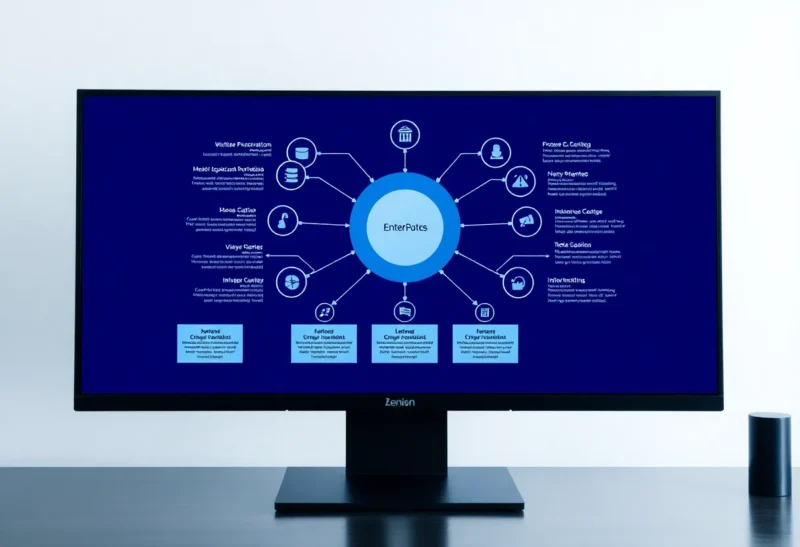
Enterprise integration platforms love to borrow Zapier’s clarity—triggers, actions, recipes—then add governance until the screenshots look like an airline operations center. Workato sits in that family: low-code automation with enterprise dress code. The honest question for 2026 buyers is not “Is it powerful?” but “Are we the scale and risk profile that justifies the lift?”
This article maps when Workato-class iPaaS is the right tool, when it is expensive ceremony, and how to avoid buying a jet to cross a river.
What Workato-style iPaaS optimises for
Workato and peers target teams that need shared workspaces, role-based access, environment promotion (dev/test/prod), secrets management, audit trails, and connectors to systems that rarely appear in consumer automation galleries. The value proposition is operational: many builders, many integrations, compliance reviewers watching.

If your organisation already runs an integration competency center, pricing conversations start at platform fee plus professional services—not per-task pocket money. That is not a knock; it is the cost of guardrails.
Signals you might actually need enterprise iPaaS
- Multi-team recipe ownership with separation of duties—marketing must not push finance changes.
- Complex branching, error policies, and reusable components shared across dozens of flows.
- Regulated data paths where who touched which connector—and when—must be provable.
- High connector cardinality across SAP, Salesforce, ServiceNow, Snowflake, and bespoke internal APIs.
- Operational SLOs backed by monitoring, retries, and on-call—not “Zap failed, someone noticed Monday.”
When it is probably overkill
- A handful of zaps glueing Slack to a spreadsheet—governance can be documentation plus a shared service account.
- No integration centre of excellence; you are buying software to invent process maturity.
- Budget pressure with no headcount to operate the platform—orphaned recipes rot faster than spreadsheets.
- Your bottleneck is data modelling, not orchestration—another canvas will not fix schema soup.
Zapier vs Workato: cousins, not clones
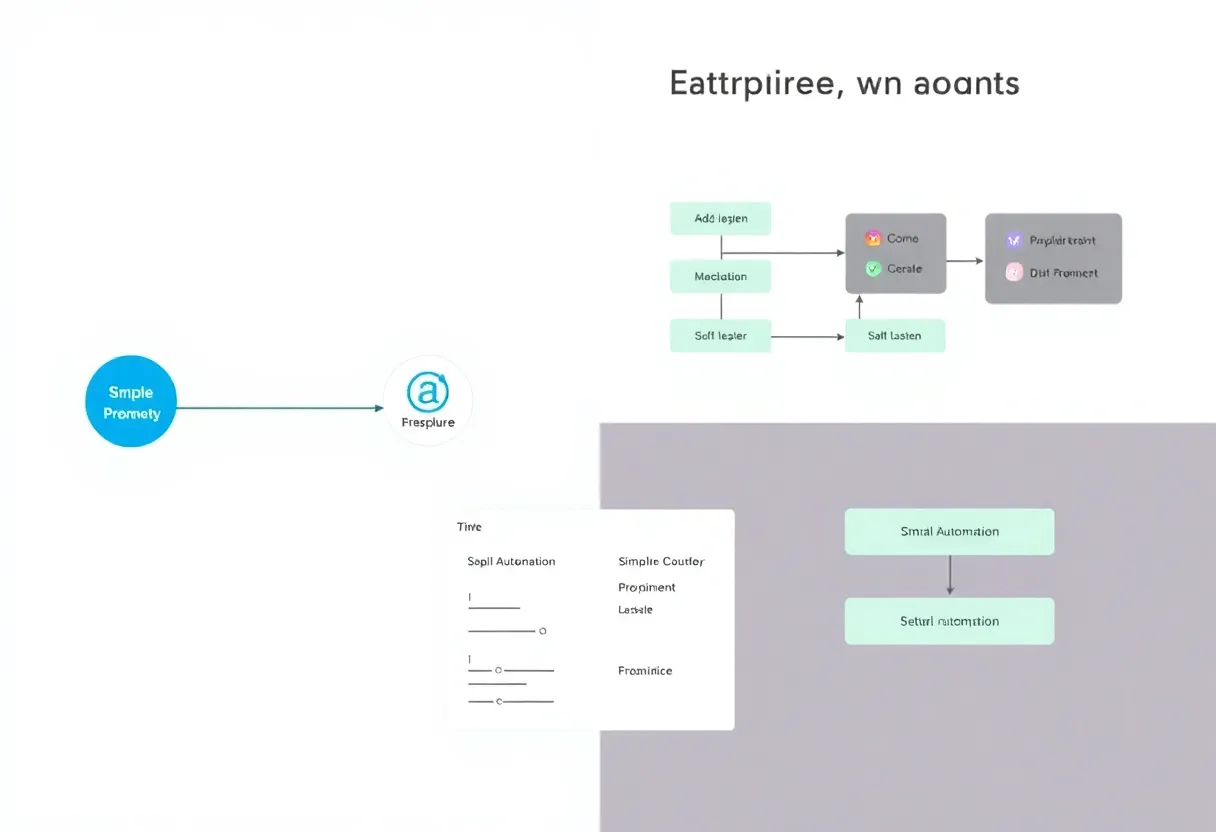
Zapier democratised glue; enterprise iPaaS industrialised it. Feature matrices blur because both add AI assistants and both push API coverage. The practical difference is how friction scales: Zapier friction hits when governance, testing, and cross-team reuse buckle. Workato friction hits when small teams drown in configuration surfaces they do not need yet.
Alternatives worth a serious look
Make and n8n cover wide connector sets with different pricing and hosting models; n8n self-hosted shifts compliance trade-offs. Native integration platforms inside Salesforce, HubSpot, or your data warehouse may solve 70% without a second orchestrator. Custom services in your primary language remain valid when flows are few but intricate—code in repo beats mystery boxes.
Implementation risks that bite mid-size companies
Underestimating data contract work—field mapping is easy on slides, brutal in CSV exports nobody owns. Skipping non-prod environments because “we are agile,” then learning why change windows exist. Letting every team spin connectors without naming standards, producing duplicate SAP objects and ghost API keys. Enterprise iPaaS magnifies both good discipline and bad habits.
How to pilot without boiling the ocean
- Pick one business-critical flow with measurable SLA—order-to-cash fragment, lead routing, employee onboarding.
- Instrument before migrate: failure rates, latency, manual rework hours.
- Model roles and approvals in the platform on day one, not month six.
- Define retirement criteria for the legacy glue you are replacing—otherwise you pay twice.
- Review monthly: connector sprawl, unused recipes, and secrets nearing expiry.
Security questionnaires and the enterprise sales gravity well
Once procurement opens a Workato or similar vendor file, security reviews arrive: SOC reports, data residency, encryption scopes, subprocessors. Smaller vendors sometimes clear faster; flagship iPaaS vendors expect the packet. If your organisation cannot finish those reviews, the platform sits shelf-ware. Match vendor tier to procurement muscle.
AI features: assistant or distraction?
Recipe generators can bootstrap mappings, but they inherit the same garbage-in risk as any copilot. Useful when guided by someone who knows the source system; hazardous when treated as authoritative for regulated fields. Policy should require human sign-off on generated flows touching PII or financials—no matter how polished the demo.
Total cost thinking
Licences are the visible line item. Hidden costs include training, partner days, idempotent redesign of flaky endpoints, and the tax of keeping documentation honest. Compare that bundle to the fully loaded cost of maintaining custom Lambdas plus observability—sometimes iPaaS wins; sometimes code plus rigor wins.
Conclusion
Workato-class enterprise iPaaS shines when integration is a production system with auditors, on-call rotations, and many hands in the kitchen. It is overkill when a lean team needs a few reliable zaps and clear ownership. Buy for operational reality, not for slide decks about “digital transformation.” The right tool is the one your organisation can actually govern.