Solo Founder Tech Stack: What We’re Actually Shipping on in 2026

Sam Rivera
April 6, 2026
If you ask a room of solo founders for their “2026 stack,” you will get performative answers—bleeding-edge frameworks, exotic databases, and tools chosen for Twitter clout. Ask them what they ship revenue on, and the list gets smaller, older, and more boring. This is that second list: the defaults that keep one person shipping without turning into full-time platform engineering.
The real goal: replace yourself slowly, not all at once
A solo stack should minimize moving parts that require babysitting. You want hosted services with good APIs, clear pricing, backups you did not hand-craft at midnight, and a deployment path you can execute while tired.
Application layer: boring beats clever
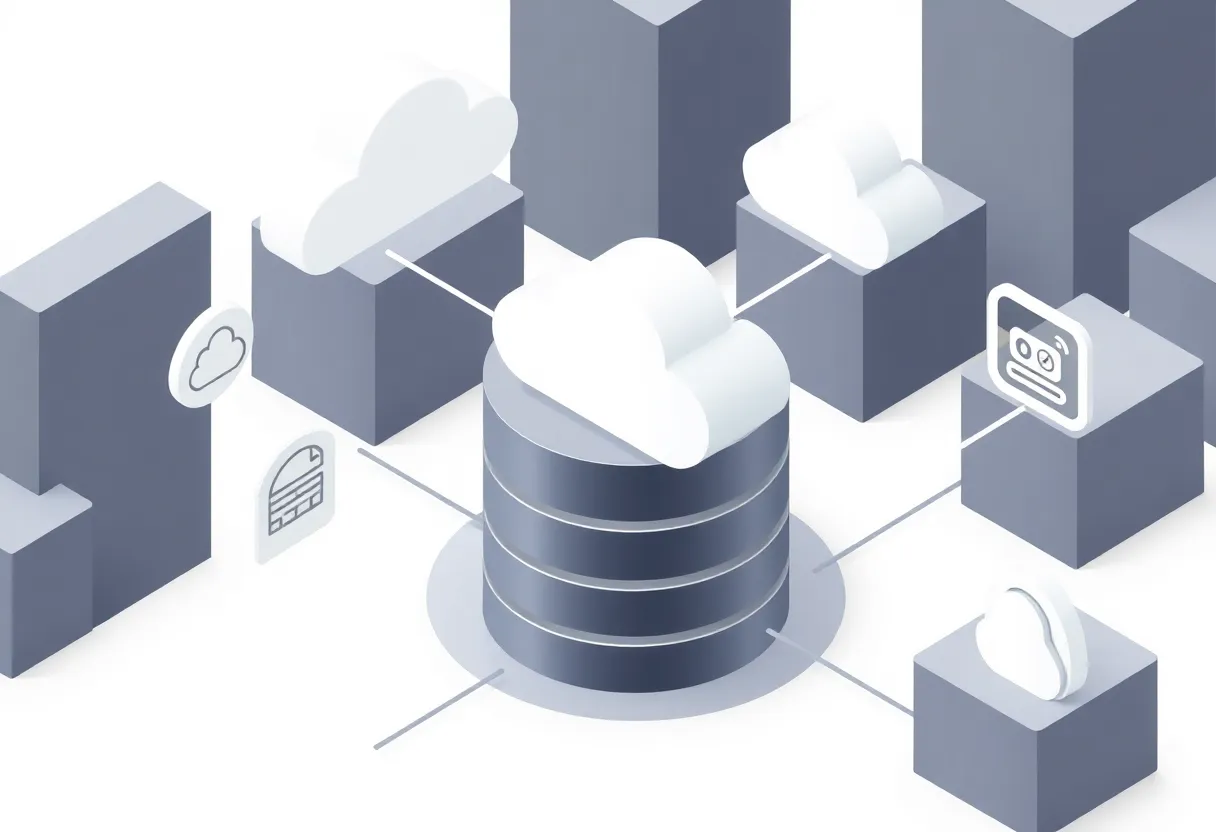
Most revenue-generating solo products are CRUD plus workflows plus email. Pick a framework ecosystem you already know—or can learn in a weekend—and optimize for hiring future-you, not impressing strangers. Serverless can be perfect for spiky traffic; a small VM or PaaS container can be perfect for predictable workloads. The winning pattern is one deploy target you understand and logs you can read.
Data: start relational, stay honest about cache
Postgres (or another mature RDBMS) remains the cheat code for solo founders: constraints, migrations, reporting, and a mountain of tooling. Add Redis or a hosted KV cache when you have a measured need, not when a blog post says you might.
Event stores and multi-write replicas are wonderful—after you have customers and a reason beyond architecture cosplay.
Auth: buy it unless it is your product
Authentication, OAuth, passkeys, and session hardening are not where solo founders should prove genius. Use a reputable provider, wire webhooks carefully, and spend your novelty budget on the product’s unique value.
Billing: use a specialist
Stripe (or equivalent) plus a thin domain model for plans beats homegrown invoicing every time. Taxes, proration, failed payments, and dunning emails are a product category—let them be one.
Email and messaging: deliverability is the feature
Use transactional email providers with proper domain authentication. Keep templates versioned. Test spam placement like you test uptime—because “it sent on my machine” is not a strategy.
Observability: minimum viable adult supervision
At least: error tracking, uptime checks on critical endpoints, and structured logs. You do not need twelve dashboards on day one—you need a ping when payments stop working.
Support and CRM: lightweight but real
Even a solo founder benefits from a shared inbox, a ticket or triage queue, and a simple CRM or lifecycle tool once leads exist. Spreadsheets work until they become a single point of failure under load.
Automation: glue, not gravity well
Automate onboarding, provisioning, and reporting where it saves weekly hours. Avoid chaining six no-code tools if one script in your repo reduces mystery failures. Your stack should get simpler as you learn, not more ornate.
Marketing surface: own your domain and your analytics story
For most solo SaaS, a fast static marketing site with a solid CMS or MDX workflow beats a heavyweight site builder you will outgrow. Track conversions with privacy-aware analytics you actually look at weekly—not a pixel farm you install once. SEO still rewards clear pages, real words, and internal links; AI search shifts distribution, but it does not remove the need for a credible home on the web.
What 2026 changed (and what did not)
AI assistants speed up scaffolding and debugging; they did not remove responsibility for security, privacy, or correctness. The winners still ship small iterations, talk to customers, and keep their production path boring enough to operate alone.
Closing
The solo founder stack that “actually ships” is defined by restraint: fewer vendors you trust deeply, fewer custom systems you must maintain nightly, and more boring data primitives that still work when you take a vacation. Pick tools you can explain in one sentence each—and your future self will thank you on the day something breaks at the worst possible time.