Thread and Matter in 2026: What Changed for Smart Home Buyers

Ryan Collier
April 6, 2026
A few years ago, “smart home” often meant a drawer full of hubs, a patchwork of cloud accounts, and the sinking feeling that your porch light depended on someone else’s uptime. Thread and Matter arrived with a credible promise: local-first devices that speak a shared language, fewer proprietary bridges, and setups that behave more like household infrastructure than a hobbyist science project.
By 2026 the story is less about launch-day hype and more about what actually changed at the counter—what buyers should expect, what still trips people up, and how to plan purchases so you are not rebuying the same category twice.
Quick definitions without the marketing fog
Thread is a low-power mesh networking technology built on the same ideas that make Zigbee reliable in many homes, but modernised for IPv6 and designed to play nicely with border routers (the little pieces of your network that connect Thread devices to your Wi-Fi and the broader internet when needed).
Matter is an application-layer standard: a set of rules for how lights, locks, sensors, and similar accessories advertise themselves, pair, and respond to commands across ecosystems. Matter can ride on Thread, Wi-Fi, and Ethernet depending on the device. Think of Thread as the road and Matter as the traffic rules—oversimplified, but accurate enough for shopping decisions.
What improved for everyday buyers
Fewer “which app do I open?” moments. Matter’s goal was interoperability at the device level. In practice, many mainstream accessories now ship with Matter support or firmware updates that add it, which means your light switch might appear in more than one platform’s app without a cloud translation layer doing fragile gymnastics in the background.
Stronger local control assumptions. While not every feature is offline-capable—voice assistants and remote access still lean on the internet—core on/off, dimming, and basic automations are far more likely to keep working when your broadband hiccups than first-generation Wi-Fi gadgets that hard-depended on distant servers.
Clearer upgrade paths within a mesh. Thread’s mesh behaviour means battery-powered sensors and sleepy devices can participate without each one needing perfect Wi-Fi. As you add Thread border routers (sometimes built into smart speakers, Wi-Fi points, or dedicated hubs), coverage tends to improve rather than degrade—assuming you place them sensibly.
What did not magically disappear
Ecosystem politics still exist. Matter narrows the gaps; it does not erase business competition. Some advanced features remain platform-specific—think nuanced camera integrations, proprietary scenes, or deep energy dashboards. Buyers should still read the fine print on the exact capability they care about, not just the Matter badge.
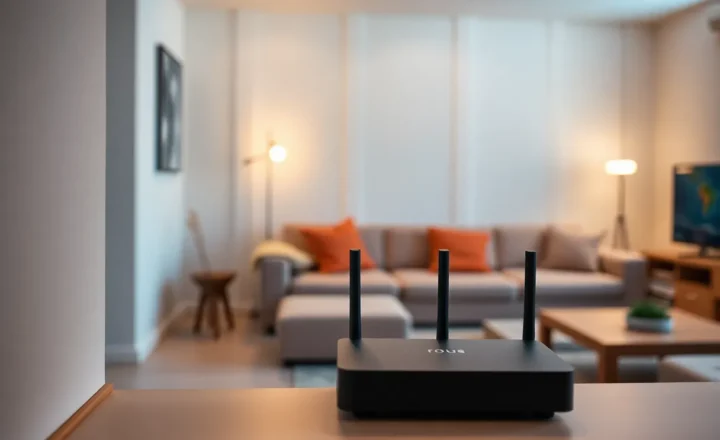
You still need a sane network foundation. Thread helps device-to-device chatter, but your home still benefits from decent Wi-Fi, sane SSID/password hygiene, and at least one reliable border router path. A mesh of Thread accessories cannot fix a router wedged behind a metal filing cabinet.
Onboarding UX varies wildly. The standard is not a guarantee that every manufacturer’s setup wizard is pleasant. QR codes, factory resets, and firmware updates remain part of the ritual. Patience and reading one review focused on setup still pays off.
Shopping checklist for 2026
- Confirm your “anchor” platforms. If you live in Apple Home, Google Home, Alexa, or Samsung SmartThings, know which ones you actually use for daily control. Matter broadens compatibility, but your primary app still matters for workflows.
- Count your border routers. Thread devices need a path out of the mesh. Check whether your existing gear already includes Thread border router capability before buying another box “just in case.”
- Prefer Matter where the category supports it. Switches, plugs, many sensors, and basic lighting are strong candidates. For cameras and doorbells, verify the exact integration you need—video has been a slower, messier lane.
- Plan for firmware. Buy brands with a track record of updates. Smart home hardware ages in dog years; the ability to patch matters as much as day-one specs.
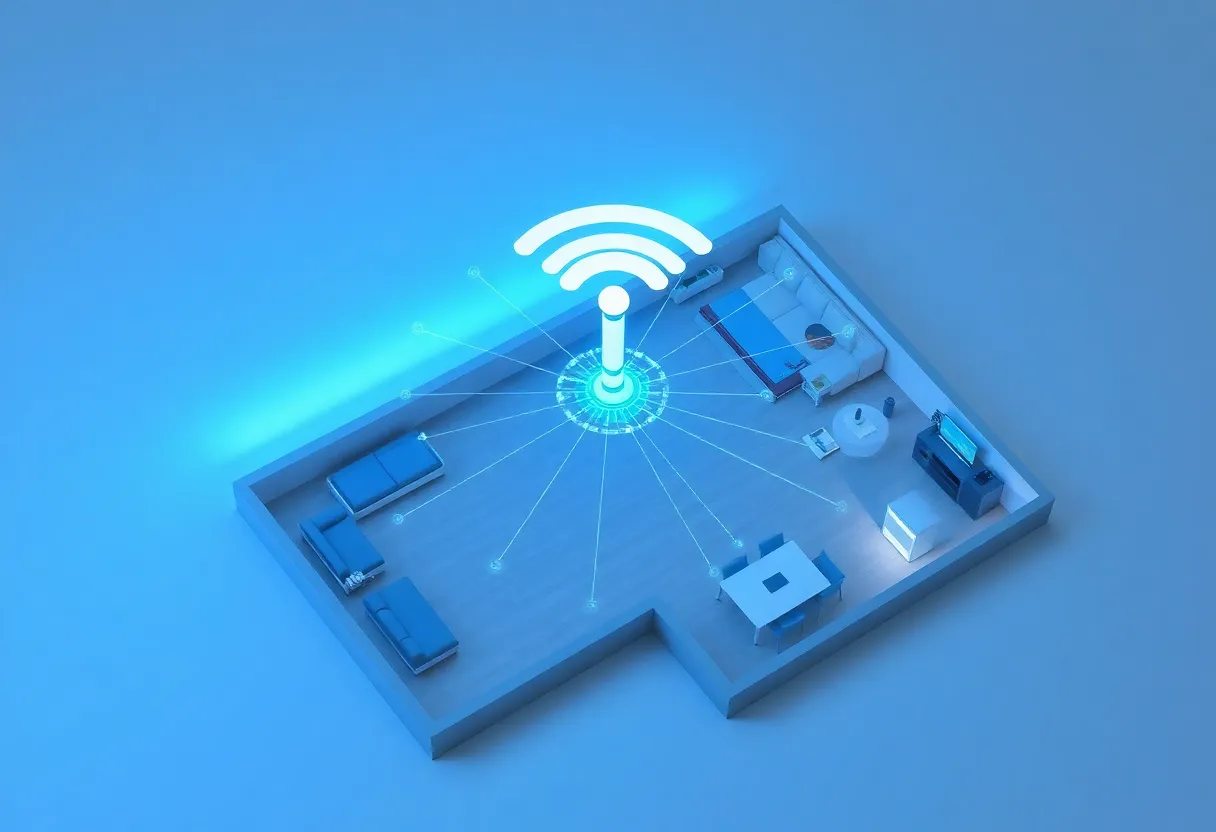
Thread vs Wi-Fi Matter devices: how to choose
Wi-Fi Matter accessories are straightforward when you have strong signal at the install location—think smart plugs behind TVs or garage openers near an access point. Thread Matter shines for battery-powered sensors, door locks that benefit from mesh hops, and corners of the house where Wi-Fi is cranky but you can place a border router halfway there.
If you are starting fresh, mixing is normal: Wi-Fi Matter for high-bandwidth spots, Thread Matter for the long tail of small devices. The art is avoiding duplicate hubs that do the same job poorly.
Security and privacy: the boring part that saves regret
Use unique passwords on vendor accounts, enable two-factor authentication where offered, and segregate IoT to a guest network if your router supports it cleanly. Matter’s architecture reduces some classic cloud middleman risks, but your home network hygiene still dominates real-world safety.
When a device wants cloud features you will never use, disable them. Fewer accounts and fewer always-on connections means fewer surprise policy changes down the road.
Upgrading an existing home without throwing everything away
Most people do not rip-and-replace a whole house at once. A sane 2026 playbook is to tackle high-touch pain first: the switch everyone fumbles, the thermostat schedule that never stuck, the motion sensor that drained batteries because it was too far from anything. Replace those with Matter-capable options where available, and leave working-but-cloudy gear alone until it fails or annoys you enough to budget time for migration.
When you retire old gear, factory reset before resale or recycling—both for privacy and so the next owner does not inherit ghost automations. Keep a simple spreadsheet of device MAC addresses, firmware versions, and which border router they last used; future you will thank present you during troubleshooting at 11 p.m.
Voice assistants and Matter: what actually binds
Voice remains the glossy demo, but the reliable backbone is still schedules, sensors, and button triggers. In 2026 the useful pattern is to let assistants handle casual commands while automations run locally where possible. That way a cloud outage turns “Hey, turn off the lights” into a minor annoyance instead of a household-wide failure.
If you rely on complex voice scenes, test them after every major platform update. Assistants change NLP behaviour more often than Thread changes radio parameters.
When to delay a purchase
If you are mid-renovation, wait until wall plates and breaker maps are settled before committing to hardwired smart switches. If your router is end-of-life, fix that before layering on accessories. If a category you need is still ecosystem-locked (some video doorbells, niche sensors), buy for the feature you need today—not the standard you wish were finished everywhere.
Also pause if you are about to switch broadband providers or mesh vendors; stabilise the WAN and LAN first. Smart accessories have long memories about SSIDs, VLANs, and captive portals—hotel-style login pages and Thread do not mix well.
The pragmatic takeaway
Thread and Matter in 2026 are not a sci-fi reset; they are incremental infrastructure wins. Interoperability is meaningfully better, local control is more common, and mesh setups reward thoughtful placement. The buyer’s job is simpler than five years ago but not automatic: pick an anchor ecosystem, verify border routers, favour Matter in categories where it is mature, and treat networking as part of the product—not an afterthought.
Do that, and the smart home stops being a science fair and starts behaving like part of the house—still occasionally quirky, but far less likely to fall apart because one app had a bad Tuesday.