The Case for Building a Personal Knowledge Base Before Your Next Project

James Webb
March 15, 2026
Before you start your next project—whether it’s a side business, a long essay, or a technical build—you’ll face a familiar trap: you have ideas, links, and half-formed thoughts scattered across browser tabs, old notes, and your head. When you sit down to execute, you spend the first hour (or day) re-finding and re-organizing. A personal knowledge base—a single, searchable place where you capture what you learn and link it to what you’re building—doesn’t just store information. It turns scattered input into a structure you can actually use when it’s time to ship.
What a Personal Knowledge Base Actually Is
A personal knowledge base (PKM) is your own system for capturing, organizing, and retrieving what you learn. It might be a folder of Markdown files, a tool like Obsidian or Logseq, a Notion workspace, or a custom wiki. The core idea is the same: you write down ideas, quotes, and references as you encounter them, and you link them to each other and to projects. Over time, you build a second brain—not a dump of everything you’ve ever read, but a connected graph of what matters to you. When you start a new project, you don’t start from zero. You start from a body of notes that already reflects your thinking and your sources.
That’s different from bookmarks or a random “ideas” doc. Bookmarks accumulate and rot; a doc becomes a long scroll of undifferentiated text. A knowledge base is structured. You use tags, links, or backlinks so that a note about a technical concept can connect to a note about a product idea, and both can surface when you’re writing a proposal or designing a feature. The value isn’t in hoarding—it’s in making connections visible and searchable so that when you need to make a decision or write a section, the relevant material is already there.
Why Building One Before the Project Pays Off
If you wait until the project starts to get organized, you’re already behind. The best time to capture is when you’re in the flow of learning—reading, listening, or tinkering—not when you’re under deadline. When you capture as you go, you’re not trying to remember what you read three weeks ago; you’re turning it into a note that links to your existing understanding. When the project kicks off, you’re not starting from a blank page. You’re starting from a set of linked notes that already contain your research, your questions, and your partial conclusions.
That shift changes how you work. Instead of “I need to figure out X” and then going to Google or a book, you often find that you’ve already written a note on X—or on something related—and you can refine it or connect it to the project. The project becomes an output of your knowledge base rather than a separate thing you’re building in isolation. Writers who keep a Zettelkasten or similar system often report that articles and books emerge from the links between notes; the same applies to product work, technical design, and side projects. The knowledge base is the soil; the project is what grows out of it.
Start Simple: Capture and Link
You don’t need a perfect system on day one. You need a habit. Start with a single place—one app or one folder—and two actions: capture and link. When you read something useful, write a short note in your own words (not a copy-paste) and save it. When you write a new note, link it to an existing note if there’s a clear connection. Over time, the links compound. You’ll notice clusters: topics you care about will have more notes and more connections. Those clusters are where your future projects will come from.
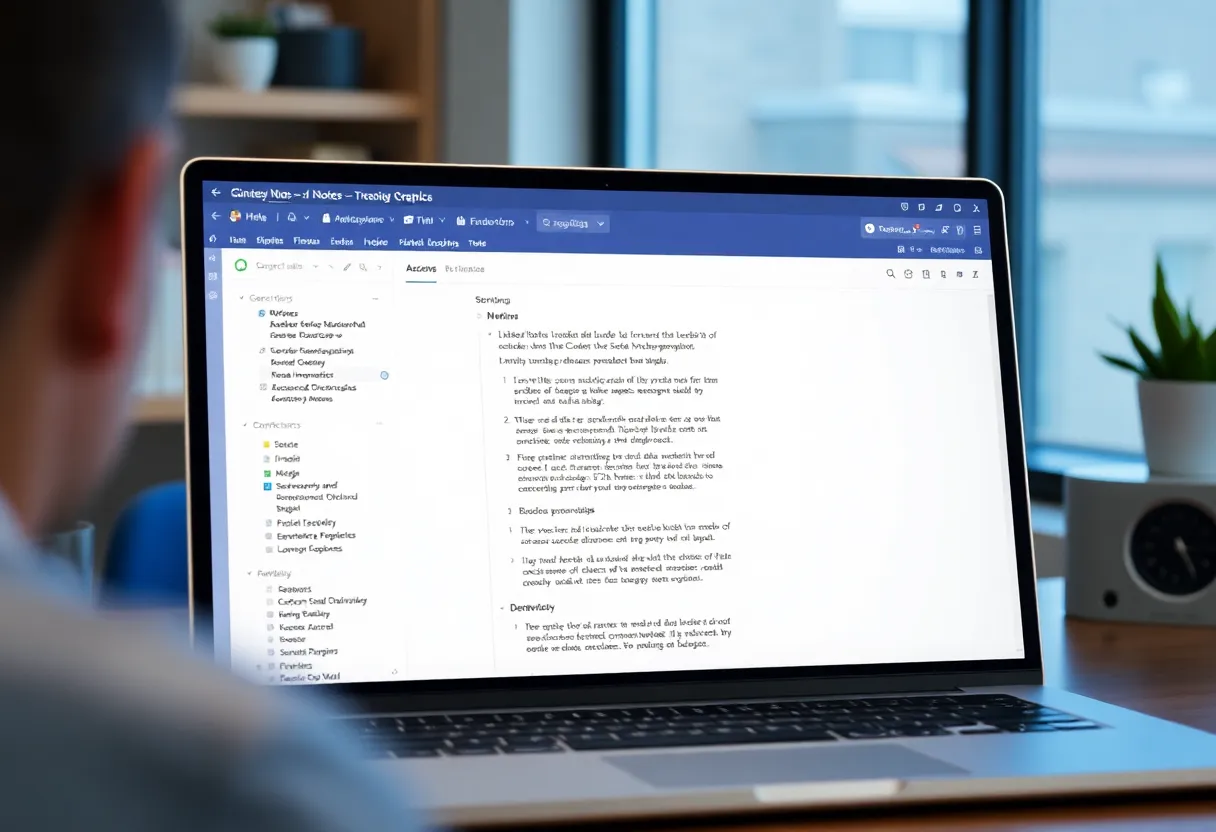
Tool choice matters less than consistency. Obsidian and Logseq use local Markdown files and support backlinks and graph views; they’re popular with developers and researchers. Notion is flexible and collaborative. Some people use a simple folder of text files and grep. The important thing is that you use one place and that you link. Fancy templates and hundreds of tags can wait. Capture and link first; optimize later.
Common Mistakes: Over-Organizing and Under-Linking
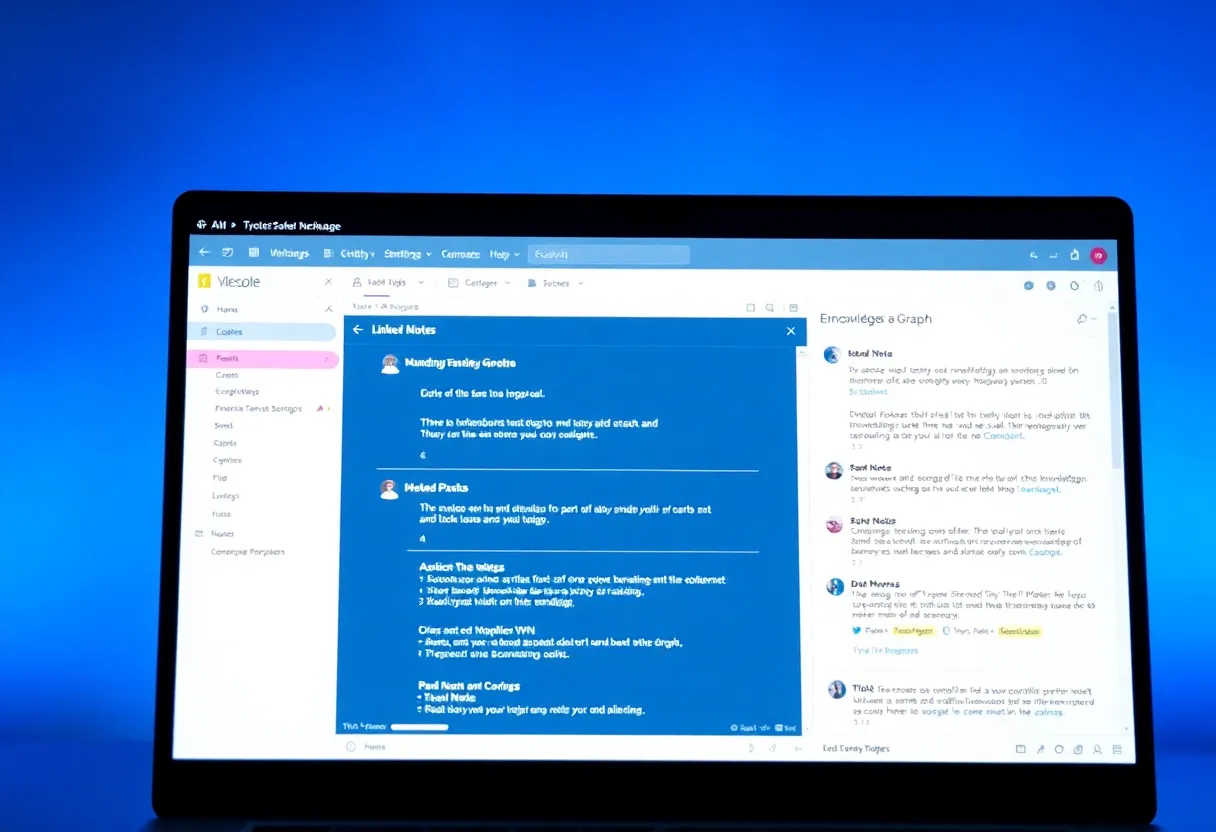
Two mistakes trip people up. The first is over-organizing before they have enough notes. They spend hours designing folders, tags, and templates, and then they never build the habit of capturing. The second is capturing without linking. They dump notes into a system but never connect them. The result is a pile of isolated entries that don’t surface when they’re needed. The antidote is to prioritize linking over structure. When you add a note, ask: what existing note does this relate to? Add one or two links. The structure will emerge from the links; you don’t have to design it upfront. Review your graph or backlinks periodically: the dense clusters are your real areas of focus, and they’ll guide what you work on next.
When Your Next Project Starts, You’ll Already Have a Head Start
When you sit down to start that side project, essay, or build, the difference is obvious. You’re not scrambling for sources or trying to remember what you thought last month. You’re opening your knowledge base, following links, and pulling together the notes that already exist. The first draft or the first design doc is often a synthesis of what you’ve already captured—reorganized and extended for the project at hand. That’s faster, and it’s also higher quality: you’re building on considered notes, not on half-remembered impressions.
Building a personal knowledge base before your next project isn’t extra work. It’s the work of thinking ahead so that when you’re ready to ship, you’re not starting from zero. Capture as you learn, link as you go, and let the next project grow out of what you’ve already built.
The Bottom Line
A personal knowledge base turns scattered learning into a connected resource you can use when it’s time to execute. Start before the project: capture ideas and references as you encounter them, link them to each other, and keep one place for everything. When your next project starts, you’ll have a head start—and the project itself will become part of the same system, so the next one after that gets even easier.