The Case for Learning Basic Electronics Before Your Next Raspberry Pi Project

Jade Wu
March 15, 2026
Raspberry Pi projects are everywhere—home servers, robots, smart home hubs. It’s tempting to plug in a Pi, follow a tutorial, and go. But when something doesn’t work—when the LED doesn’t light or the sensor reads wrong—a little basic electronics goes a long way. The case for learning basic electronics before your next Raspberry Pi project isn’t about gatekeeping; it’s about knowing enough to debug, design, and not fry your board.
What “Basic” Means
You don’t need a degree. You need: voltage, current, and resistance (Ohm’s law); how to use a multimeter; what a pull-up resistor is and why it matters; and the difference between sinking and sourcing current from a GPIO pin. With that, you can read schematics, follow wiring diagrams, and understand why a tutorial says “use a 220Ω resistor” instead of guessing. You’ll also avoid feeding 5 V into a 3.3 V input or overloading a pin.
Why It Pays Off on the Pi
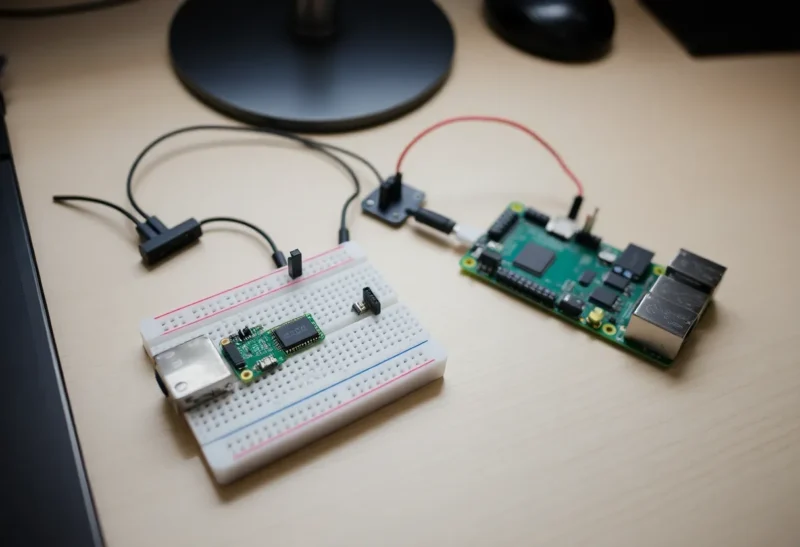
The Pi’s GPIO is powerful but fragile. Wrong wiring can kill a pin or the whole board. Basic electronics lets you sanity-check tutorials, add simple protection (e.g. current-limiting resistors for LEDs), and troubleshoot when things don’t work. It also makes it easier to add sensors, motors, and relays without relying on pre-made HATs for everything. You can prototype on a breadboard and know why it works.
Where to Start
Start with a simple LED and resistor, then a button with a pull-up. Use a multimeter to measure voltage and continuity. From there, move to sensors (e.g. temperature, motion) and understand their datasheets. You don’t have to finish a full course—just enough to read a simple schematic and not blow things up. The case for learning basic electronics before your next Raspberry Pi project is simple: you’ll build more, break less, and actually understand what you’re doing.