Why Your Next Smartwatch Should Have an Always-On Display

Grant Webb
March 15, 2026
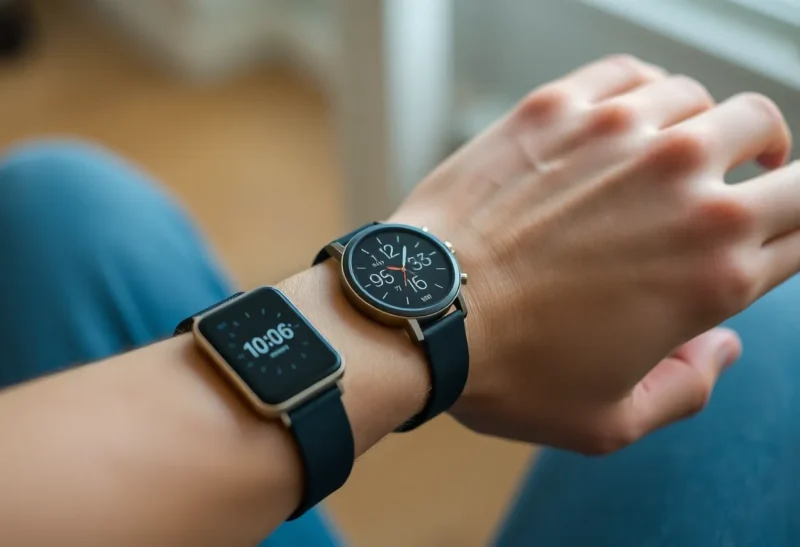
Smartwatch screens that go dark to save battery are the norm on many budget and mid-range wearables. But once you’ve used a watch with a real always-on display, going back feels like a downgrade. Your next smartwatch should have an always-on display—not just for looks, but because a watch that you have to wake to read fails at the one job watches have done for centuries: telling the time at a glance.
What Always-On Actually Means
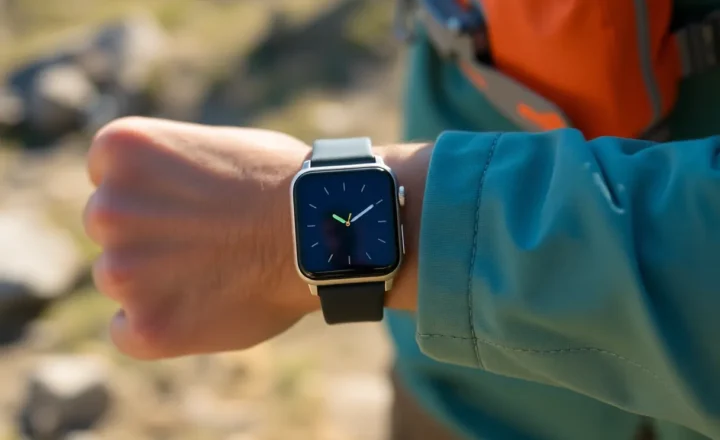
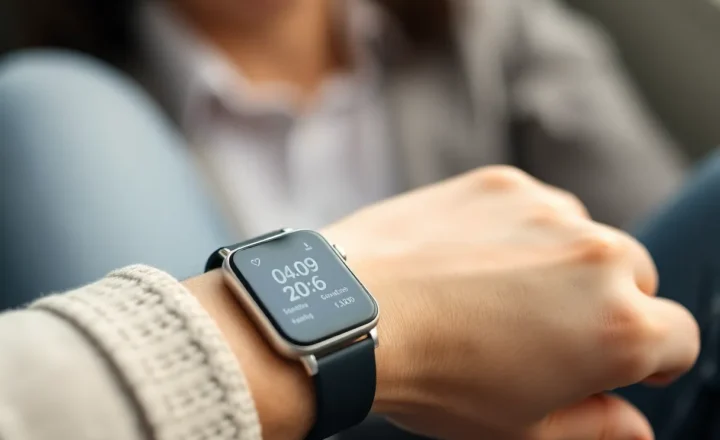
True always-on means the display shows at least the time (and often complications like date or battery) without a tap or wrist raise. It might dim or switch to a low-power mode, but the information is there. That’s different from “raise to wake” or “tap to wake,” which add friction every time you check the time. In meetings, while driving, or when your hands are full, that friction is annoying. An always-on display removes it.
Battery and Tech
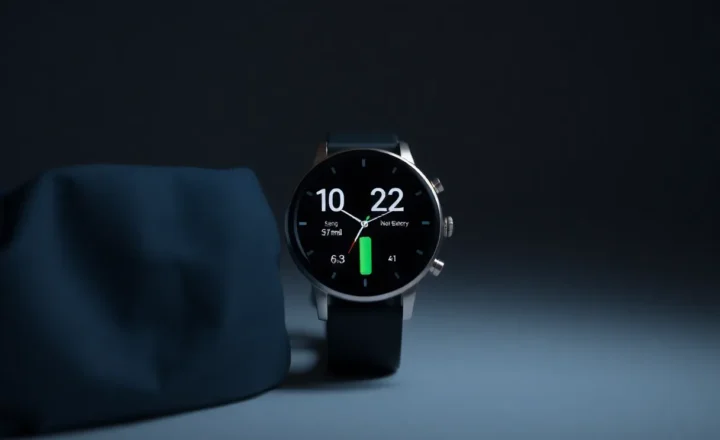
Always-on used to mean terrible battery life. Modern OLED and low-refresh modes have changed that. Many watches now offer always-on with multi-day battery; the display uses a simplified, low-power state that still shows the time clearly. So the old “always-on kills battery” argument is less true than it was. If you’re choosing between two otherwise similar watches, the one with always-on is usually the better daily driver.
When It Matters Most
It matters most for people who actually use their watch as a watch—glancing at the time dozens of times a day—and for contexts where a wrist raise or tap is awkward (cycling, cooking, holding a kid). If you only use your smartwatch for notifications and workouts and don’t care about the time at a glance, you might get by without it. For everyone else, your next smartwatch should have an always-on display. Once you have it, you won’t want to go back.