Why Your E-Reader’s Screen Is Still the Best Display You Own

Chris Walsh
March 15, 2026
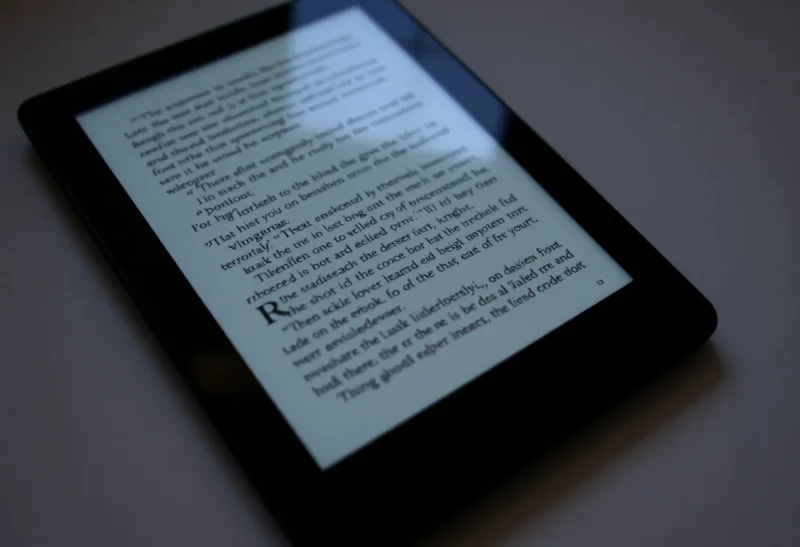
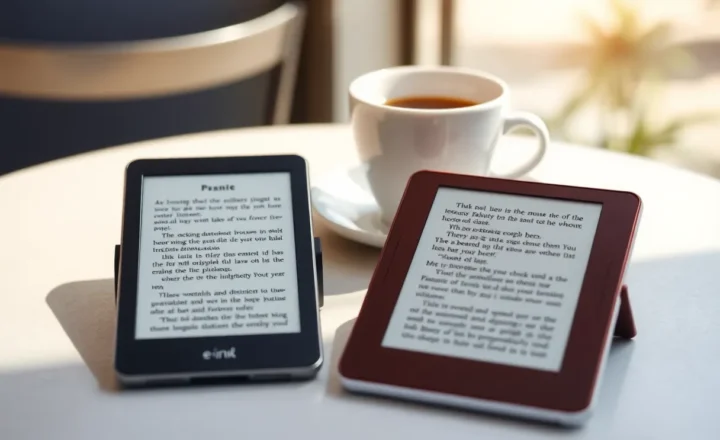
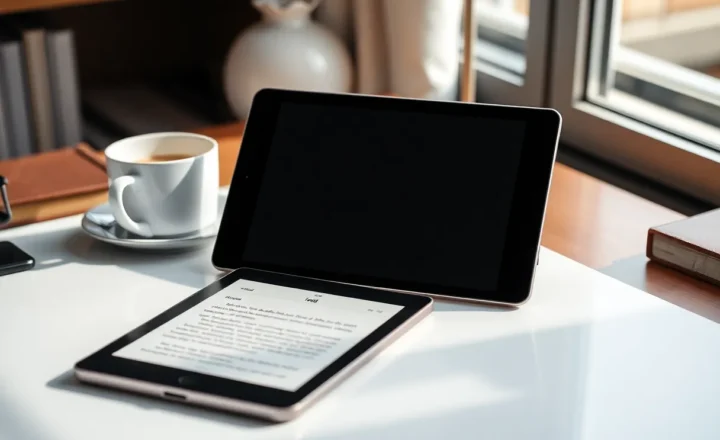
Phones and tablets have brighter, faster, more colorful screens. But for long-form reading, your e-reader’s display is still the best one you own. E-ink doesn’t glow; it reflects light like paper. That means less eye strain, readability in direct sunlight, and battery life measured in weeks. For books and documents, the e-reader screen wins not on specs but on fit for purpose.
Why E-Ink Feels Different
E-ink panels don’t use a backlight. They use charged particles that move to show black or white (and in color versions, filter layers for color). So the display is reflective—you’re reading by ambient light, like paper. That eliminates the “screen shining in your face” effect of LCD and OLED. Many people find they can read for hours on an e-reader without the fatigue they get from phones or tablets. In bright sun, e-ink stays readable; emissive screens wash out or need max brightness.
Battery and Focus
Because the image is stable and only redraws when you turn a page, e-ink uses almost no power between page turns. E-readers can run for weeks on a charge. That’s not just convenience—it means you’re not constantly tethered to a charger and you’re less tempted to flip to notifications. The device is optimized for one job: reading. The screen supports that by being low-power and easy on the eyes.
When It’s Not the Best
E-readers are poor for video, fast-moving UI, or color-heavy content. If you need a general-purpose tablet, an e-reader won’t replace it. Refresh rates are slow compared to LCD and OLED, so scrolling and animation aren’t their strength. But for books, long articles, and PDFs, the e-reader’s screen is still the best display you own—because it’s built for that. Specs like resolution and refresh rate matter less than readability and comfort. Your e-reader’s screen wins there.