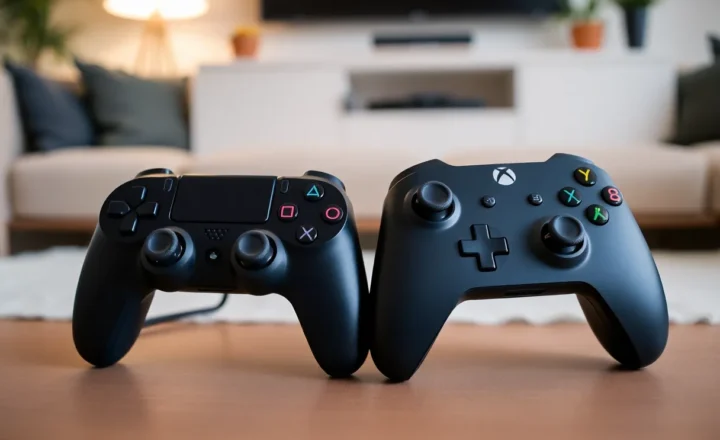
Digital vs Physical Games: The Case for Owning What You Buy in 2026

Jake Merritt
March 15, 2026
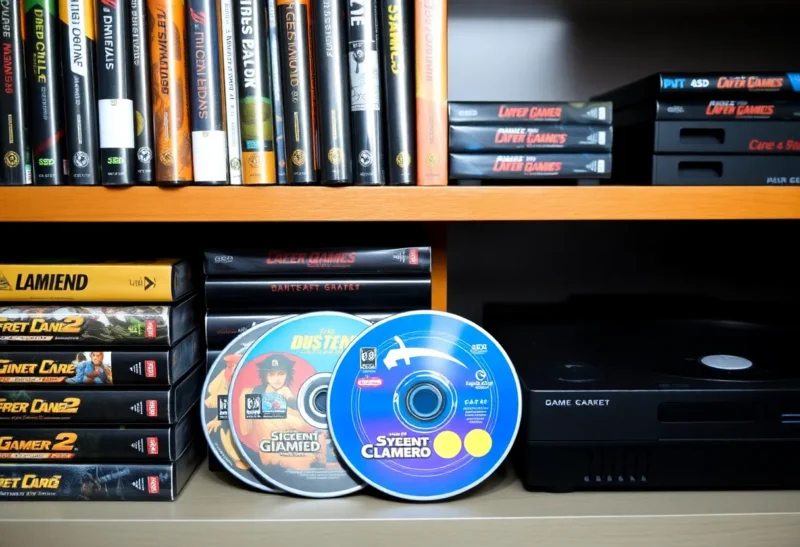
Most of us buy games digitally now. It’s convenient: no disc to lose, no trip to the store, often the same price or cheaper at launch. But “buy” is the wrong word for a lot of what we do. We license access; we don’t own a copy we can lend, resell, or keep if a store or platform goes away. So there’s still a case for physical—not for everyone, and not for every game, but for the idea that owning what you buy is worth something. Here’s the state of the digital vs physical debate in 2026 and why the disc or cartridge still has a place.
What “Digital” Actually Means
When you buy a game on the PlayStation Store, Xbox, Steam, or the eShop, you’re not buying a thing. You’re buying a licence to access that game through that platform for as long as the platform and the publisher allow. The fine print has always said that; we’ve just gotten used to it. In practice, that means your library can change. Stores can delist games; publishers can pull titles over licensing or controversy; accounts can be banned or lost. It’s rare, but it happens. When it does, the “purchase” doesn’t give you a disc to put in another machine or a cartridge to keep on a shelf. You’re dependent on the platform. Physical media, by contrast, is a copy you can hold. As long as you have the hardware to run it, the game is yours. No server, no account, no store. That’s the core of the case for physical: it’s the only way to own a copy in the sense that used to be normal for music, films, and software.
Why Digital Won Anyway
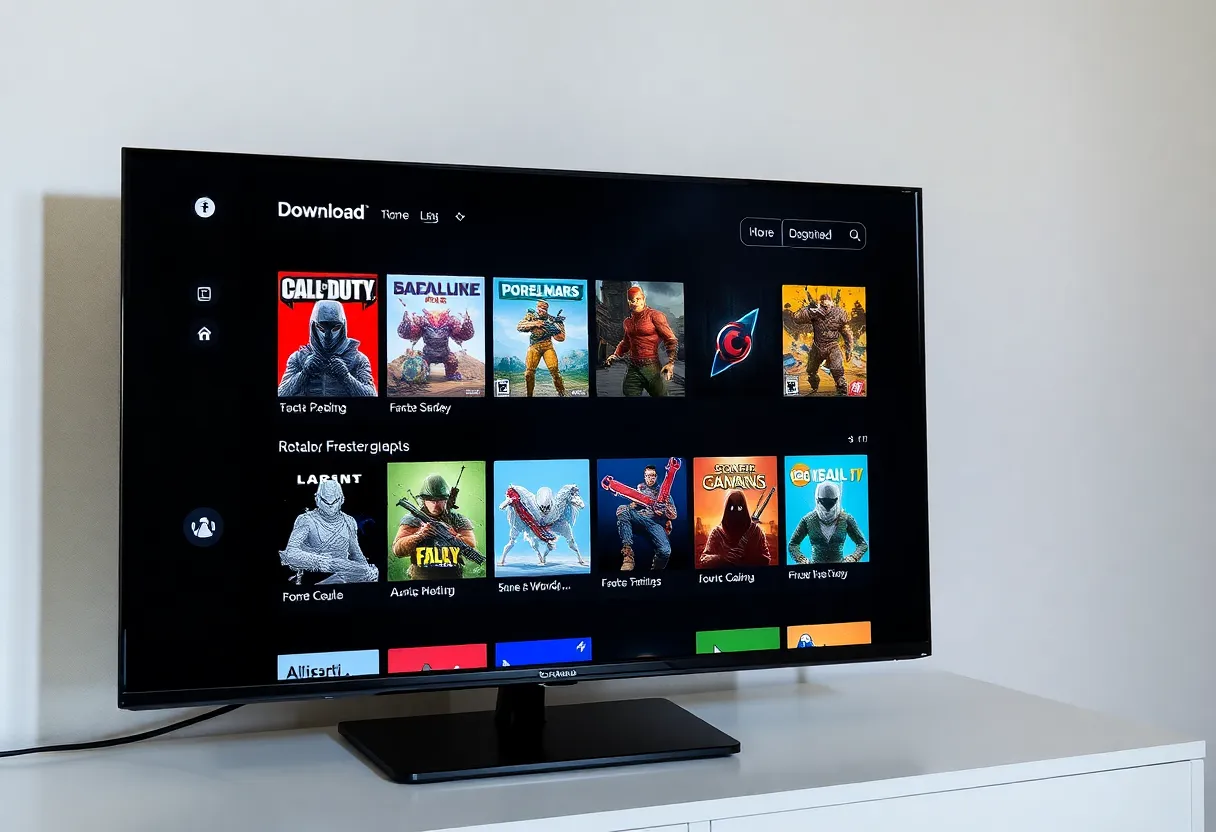
Digital won because it’s easier. You don’t have to leave the house, wait for a disc to install (many physical games now just use the disc as a key and download most of the data anyway), or find shelf space. Sales and subscriptions (Game Pass, PlayStation Plus, etc.) make digital libraries huge and cheap. For a lot of players, the trade-off is obvious: convenience and choice outweigh the theoretical risk of losing access. And for games that are online-only or get constant updates, the “physical” copy often doesn’t work without the same servers and patches that digital relies on. So the gap between “owning a disc” and “having a licence” has narrowed for many titles. The disc is sometimes just a token that unlocks a download. Even so, that token can still be resold, lent, or kept when the store delists the game. So the argument for physical isn’t “digital is bad”; it’s “physical still offers something digital doesn’t: a copy that isn’t tied to a single account or store.”
Resale, Lending, and the Second-Hand Market
You can’t resell a digital game. You can’t lend it to a friend. You can’t trade it in. That’s by design: publishers and platforms prefer you don’t. The second-hand market for physical games has been a thorn in their side for decades—every resale is a sale they don’t get. Digital eliminates that. So if you care about being able to pass a game on or get some money back when you’re done, physical is the only option. Not every game gets a physical release anymore; indies and smaller titles often go digital-only. But for big releases, the disc or cartridge still exists, and for a subset of players, that matters. It’s a vote for a model where you own the thing you bought, not just the right to use it until someone decides otherwise.
Preservation and the Long View
Libraries and archivists care about physical media because it’s preservable. When a digital store shuts down or a game is delisted, the only way to keep playing can be a physical copy (or a pirated backup, which is a separate debate). So the case for physical isn’t just personal—it’s about keeping games playable for the long term. Not every player cares about that, but if you do—if you want to be able to replay a favourite game in 10 or 20 years without depending on a corporation’s goodwill—physical (or DRM-free digital, where it exists) is the only robust option. In 2026, more of the industry is digital-first, but physical hasn’t disappeared. As long as discs and cartridges exist, they’re the closest thing to “owning what you buy” that console and handheld gaming still offer.
When Physical Isn’t an Option
Not every game gets a physical release. Indie titles, smaller publishers, and many PC games are digital-only. So “choose physical” only works when there’s a disc or cartridge to buy. For everything else, the best you can do is buy from stores that give you a real download (e.g. DRM-free when available) or accept that you’re licensing access. The trend is still toward less physical: some console games are digital-only even at retail; PC has been mostly digital for years. So the case for physical is partly a vote with your wallet when physical exists—and an awareness that for an increasing share of the catalogue, it doesn’t. The point isn’t to reject digital; it’s to prefer physical when you can, and to know what you’re giving up when you don’t.
The Takeaway
Digital is here to stay. It’s convenient, it’s how most of us buy games, and for many titles it’s the only option. But the case for physical isn’t nostalgia—it’s ownership. A disc or cartridge is a copy you can keep, resell, lend, or use regardless of what happens to a store or an account. If that matters to you, it’s worth choosing physical when you can. If convenience matters more, digital will keep winning. The point is to know the trade-off: when you “buy” digital, you’re not buying a thing; you’re buying access. When you buy physical, you’re buying a thing. In 2026, both are still valid—and the choice is still yours.