
Fingerprints and face recognition are fast and convenient—until they’re not. When your hands are wet, when you’re in bright sun or wearing a mask, when you’re stressed and your face looks different, or when the sensor is dirty, biometrics fail. And that’s often when you need access most: in a rush, in bad weather, or in an emergency. Biometric logins are great until the moment they lock you out and force a fallback to a password or PIN you might have forgotten or never set up properly.
When Fingerprints Fail
Optical and capacitive fingerprint sensors need a clear, dry read. Wet hands, sweat, grease, or minor cuts can cause false rejects. So can cold weather (dry, cracked skin) or heavy manual work (worn or damaged fingerprints). Some people have fingerprints that are simply hard to read—older adults and people with certain skin conditions report higher failure rates. And if you’ve registered only one or two fingers and injure one, you’re down to a single point of failure. The technology has improved, but it’s still sensitive to conditions. When you’re in a hurry or under stress, that’s when your hands are least likely to be clean and dry.
When Face Recognition Fails
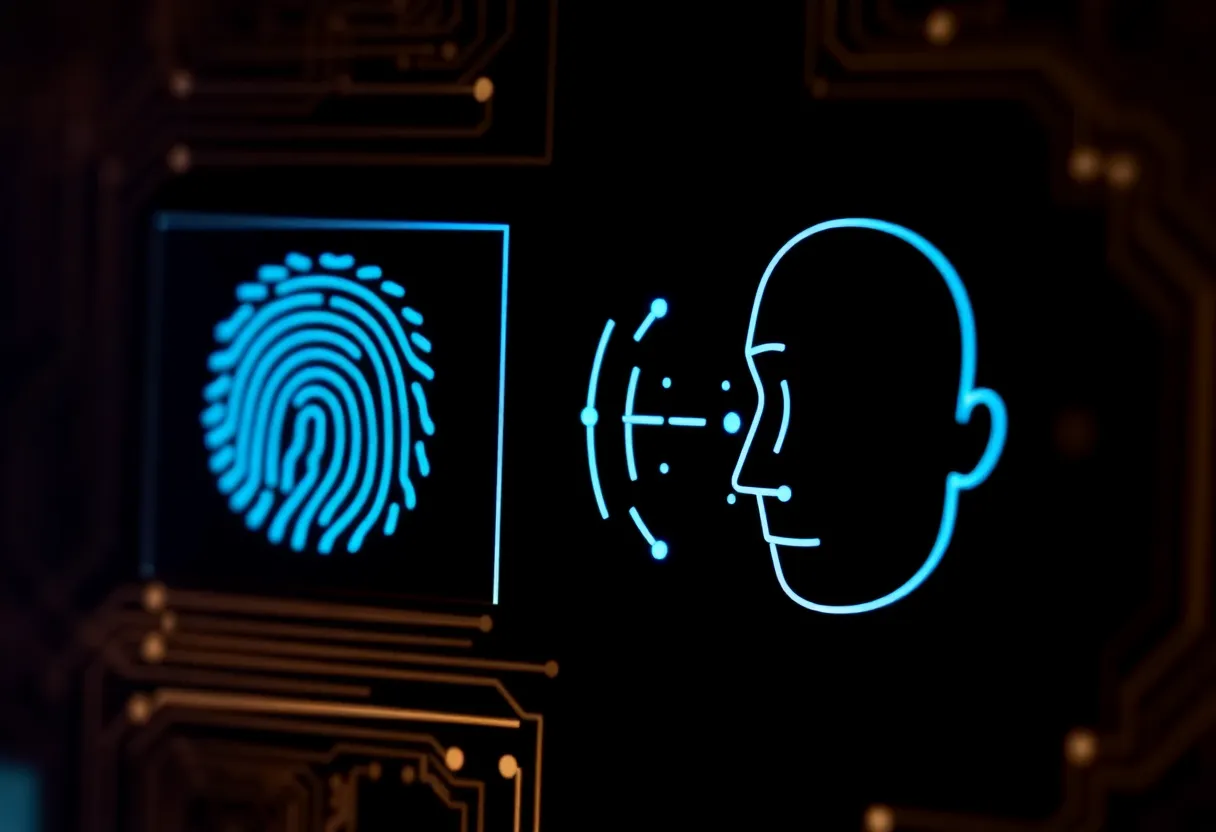
Face ID and similar systems struggle with angle, lighting, and occlusion. Bright sunlight or strong backlight can confuse the sensor; so can hats, scarves, and—still, in many cases—masks. After a long day or a bad night, your face can look different enough that the system hesitates or rejects you. Glasses, makeup, and facial hair changes can also affect accuracy. And unlike a password, you can’t “reset” your face on the spot. So when the system fails, you’re dependent on your backup method—and if you’ve neglected to set a strong PIN or password, or you’ve forgotten it because you never use it, you’re stuck.
Emergency situations exaggerate the problem. When you need to call for help, unlock medical info, or access a critical app, stress and environmental factors (rain, darkness, injury) are often at their worst. Biometrics are optimized for the calm, well-lit, ideal case. Real life isn’t always that. Having a backup you can actually use under pressure isn’t optional—it’s the difference between getting in and being locked out when it matters most.

The Fallback Problem
Biometrics are meant to be the primary method; the PIN or password is the fallback. But many people use biometrics so often they rarely enter their PIN. When the day comes that Face ID or the fingerprint sensor fails, they fumble for a code they’ve barely used—and sometimes can’t remember. Or they never set a strong backup. So the “convenience” of biometrics can undermine the very fallback that’s supposed to save you when biometrics fail. The lesson: treat your backup PIN or password as critical. Use it occasionally so it’s familiar, and make sure it’s something you can recall under stress.
What You Can Do
Register multiple fingers (and refresh them if your skin or routine changes). In good conditions, re-scan your face so the system has a current reference. Keep your sensors clean. And don’t let your fallback go stale—practice your PIN or password often enough that you can use it when you need it. Biometrics are convenient until they’re not; when they fail, the backup is all you have.
The Bottom Line
Biometric logins fail when conditions are wrong: wet hands, bad light, masks, stress, or wear and tear on your skin. When they fail, you need a fallback—and that fallback is only useful if you’ve set it up and remember it. Rely on biometrics for convenience, but never let your backup method get rusty.