The EV vs Hydrogen Debate Is Finally Getting a Real Answer

Sofia Reyes
March 7, 2026

For years, the EV vs hydrogen debate felt like a religious war. Battery advocates pointed to Tesla’s success, falling lithium prices, and a charging network that already existed. Hydrogen backers talked about range, refuel speed, and heavy-duty applications where batteries would never cut it. Both sides dug in. The answer, it seemed, would remain “it depends” forever.
That’s changing. Real-world data from the last few years—vehicle sales, infrastructure buildout, and policy shifts—is finally narrowing the field. The picture isn’t “one wins, one loses.” It’s “different tools for different jobs.” And understanding where each technology fits is more important than ever.
Batteries Are Winning on Light-Duty Passenger Cars
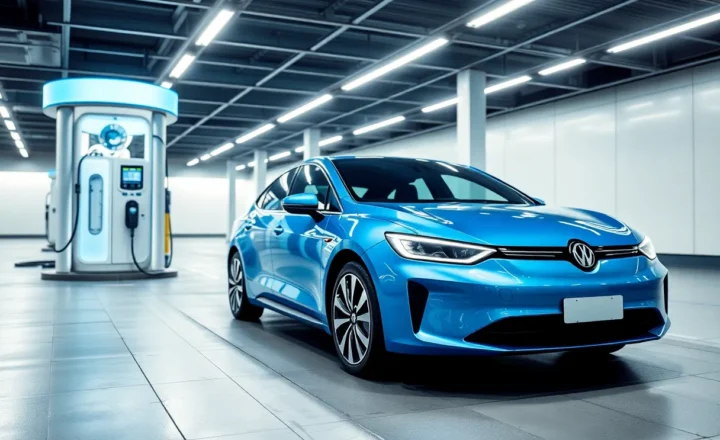
This part of the debate is effectively settled. For cars, SUVs, and most consumer vehicles, battery electric has won. Sales figures tell the story: global EV sales crossed 10 million in 2022 and kept climbing. Hydrogen passenger cars? Toyota and Hyundai sell a handful, mainly in California and a few Asian markets. The infrastructure gap alone makes it hard to imagine hydrogen catching up for everyday drivers.
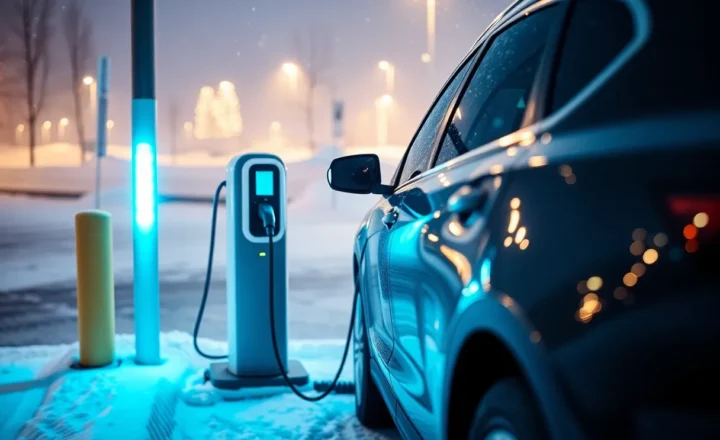
Charging has gotten fast enough that “I can’t wait that long” is less of an argument than it used to be. 350 kW DC fast chargers can add 200+ miles of range in under 20 minutes. Home charging means most people wake up to a full battery. And the network is growing: tens of thousands of public chargers in the US alone, with more coming every quarter.
Hydrogen fueling, by contrast, is sparse. There are roughly 60 public stations in the entire United States, most of them in California. Building more is expensive—a single station can run into the millions—and hydrogen production itself is still mostly from natural gas, which undercuts the green narrative unless you’re using electrolysis powered by renewable electricity.
Where Hydrogen Makes Sense: Heavy Duty and High-Utilization
Passenger cars are one thing. Long-haul trucks, buses, ships, and industrial equipment are another. These applications have different constraints: they need range, uptime, and refuel speed that batteries struggle to deliver.
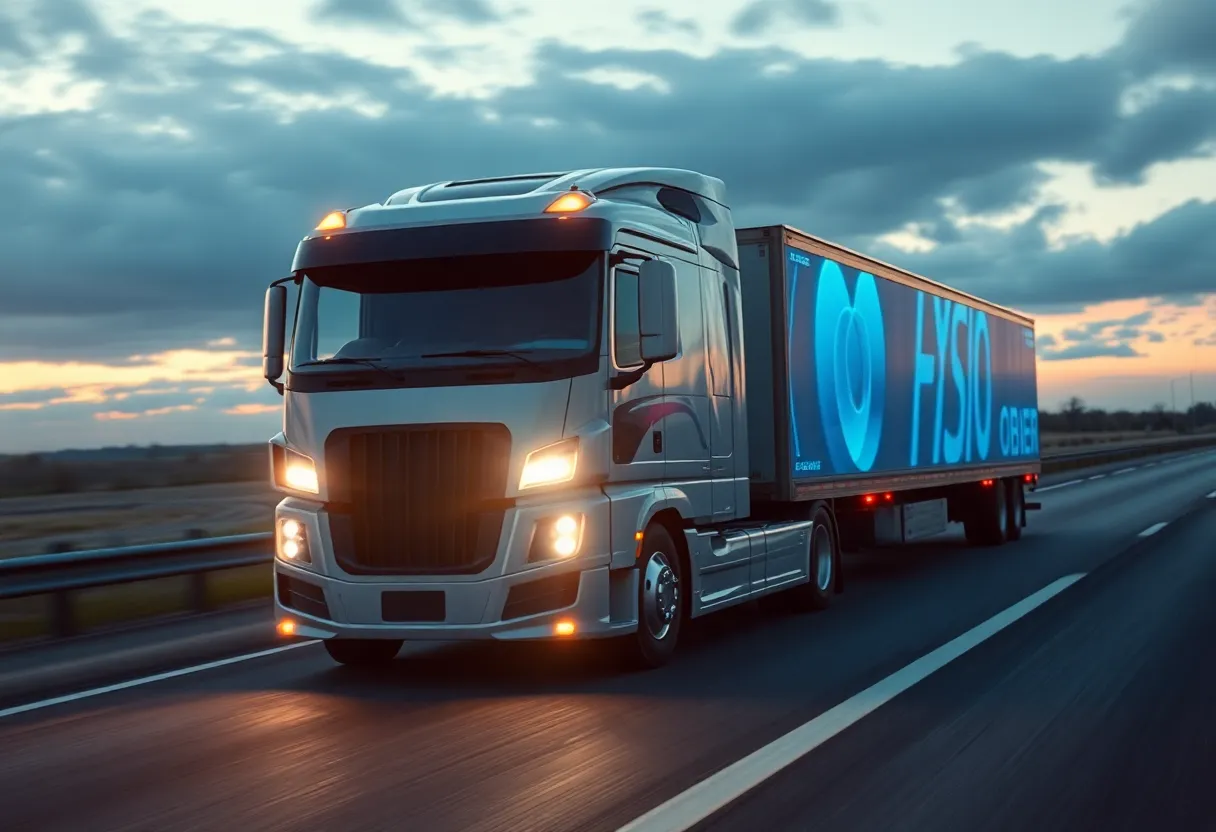
A battery-powered semi hauling 40 tons needs a massive pack—potentially several tons of battery weight—which eats into payload. Recharging that pack could take hours, even on the fastest chargers. For a fleet that runs 18 hours a day, downtime is money. Hydrogen refueling, by contrast, takes minutes—similar to diesel—and fuel cells are lighter than equivalent battery packs for the same range.
That’s why companies like Nikola, Hyzon, and established players like Daimler Truck are betting on hydrogen for heavy-duty. Pilots are running in Europe and California. Ports and warehouses are experimenting with hydrogen forklifts and yard trucks where centralized refueling makes sense. The economics are still being proven, but the use case is clear: high-mileage, high-utilization vehicles that can’t afford to sit and charge.
Maritime and aviation are even more hydrogen-curious. Ships can’t easily plug in at sea. Planes need energy density that batteries still can’t provide for anything beyond short hops. Green ammonia and liquid hydrogen are being explored as carriers—hydrogen’s versatility in storage and transport matters when you’re moving across oceans.
The “Green Hydrogen” Question
Hydrogen’s climate credentials depend entirely on how it’s made. Today, about 95% of hydrogen comes from fossil fuels—mostly steam methane reforming of natural gas. “Grey” hydrogen, as it’s called, produces CO2. “Blue” hydrogen captures some of that CO2. “Green” hydrogen uses electrolysis powered by renewables—zero carbon, but currently expensive and supply-constrained.
Green hydrogen capacity is growing. Incentives in the US (IRA) and Europe are driving investment. The cost of electrolyzers is falling. But we’re years away from green hydrogen being cheap and abundant enough to power a fleet. In the meantime, hydrogen vehicles will run on a mix—and critics will rightly ask whether we’re just moving emissions upstream.
Batteries have their own supply chain issues—lithium, cobalt, nickel—but the path to decarbonization is more straightforward: clean the grid, and EVs get cleaner. With hydrogen, the production pathway matters as much as the vehicle.
What the Data Says Now
The real answer emerging from the data: batteries dominate light-duty transport. Hydrogen has a real shot at heavy-duty trucking, buses, and industrial applications where fast refuel and high utilization matter. Maritime and aviation remain open questions—hydrogen (or derivatives like ammonia) are candidates, but the infrastructure doesn’t exist yet.
Policy is aligning with that split. The US is funding both EV charging networks and hydrogen hubs. Europe is doing the same. China is pushing batteries hard for cars and exploring hydrogen for trucks and industry. Nobody is betting on a single horse.
Why the Debate Was So Sticky
For a long time, the EV vs hydrogen conversation got stuck because both sides talked past each other. EV proponents focused on passenger cars—where batteries clearly had the lead—and dismissed hydrogen as a distraction. Hydrogen advocates pointed to trucks, ships, and industrial use cases—where batteries have real limitations—and accused the EV camp of ignoring them.
Neither side was wrong about their preferred domain. The conflict came from assuming the same answer should apply everywhere. Light-duty and heavy-duty have different physics, economics, and operational realities. A sedan and a semi are both “vehicles,” but they might as well be different industries when it comes to powertrain choice.
Another factor: technology moves fast. Five years ago, battery costs were higher, fast charging was slower, and hydrogen electrolyzer costs were even more prohibitive. Today, batteries have improved faster than most predicted. Hydrogen infrastructure has lagged. The landscape keeps shifting—and the “right” answer for 2030 might look different than the answer for 2025.
Efficiency: Where Batteries Have a Built-In Edge
One argument that rarely gets enough airtime: efficiency. Converting electricity to battery storage and back to motion loses maybe 10-15% of the energy. Hydrogen has to convert electricity to hydrogen via electrolysis (loses ~30%), compress or liquefy it (loses more), transport it, and then convert it back to electricity in a fuel cell (loses another ~40%). End-to-end, you’re lucky to get 30% of the original electricity to the wheels. With a battery EV, you’re closer to 80%.
For a grid with limited clean electricity, that matters. Every kilowatt-hour that goes into a battery EV drives farther than the same kilowatt-hour turned into hydrogen. That doesn’t mean hydrogen is wrong—for applications where batteries don’t work, efficiency takes a back seat to feasibility. But it explains why, for passenger cars, hydrogen has always been an uphill climb. You’re burning more clean electrons to go the same distance.
The Infrastructure Chicken-and-Egg
Hydrogen faces a classic chicken-and-egg problem. No one wants to buy hydrogen vehicles without stations. No one wants to build stations without vehicles. Governments are trying to break the cycle with subsidies—funding hydrogen hubs, pilot projects, and refueling networks—but it’s slow. Building 60 stations took years; building 6,000 would take a decade and billions of dollars.
EVs had a head start because electricity was already everywhere. You could charge at home from day one. Public charging was a complement, not a prerequisite. Hydrogen has no equivalent. You can’t produce hydrogen at home (at least, not practically). You’re fully dependent on the refueling network. That dependency makes early adoption harder and slows the flywheel.
Heavy-duty applications partially sidestep this. Fleet depots can install a single hydrogen refueler and serve dozens of trucks. Buses can refuel at a central depot. The infrastructure footprint is smaller than “hydrogen stations on every street corner.” That’s why hydrogen’s first real wins are likely in fleet and industrial settings, not consumer cars.
The Bottom Line
If you’re buying a car today, the choice is clear: go electric. The network exists, the vehicles are proven, and the total cost of ownership is increasingly competitive. Hydrogen passenger cars exist as curiosities and pilot programs—not as a mainstream option.
If you’re running a trucking fleet, a port, or an industrial operation, hydrogen is worth watching—and in some niches, worth piloting. The economics are still unproven at scale, but the use case is real. Policy support and private investment are flowing. We’ll know more in five years.
The debate isn’t over. But it’s finally getting real answers—and they’re more nuanced than “batteries win” or “hydrogen wins.” Different tools for different jobs. That’s progress.