Why Modems and Routers Are Still Two Separate Devices (And When That Might Change)

Halima Okafor
March 7, 2026
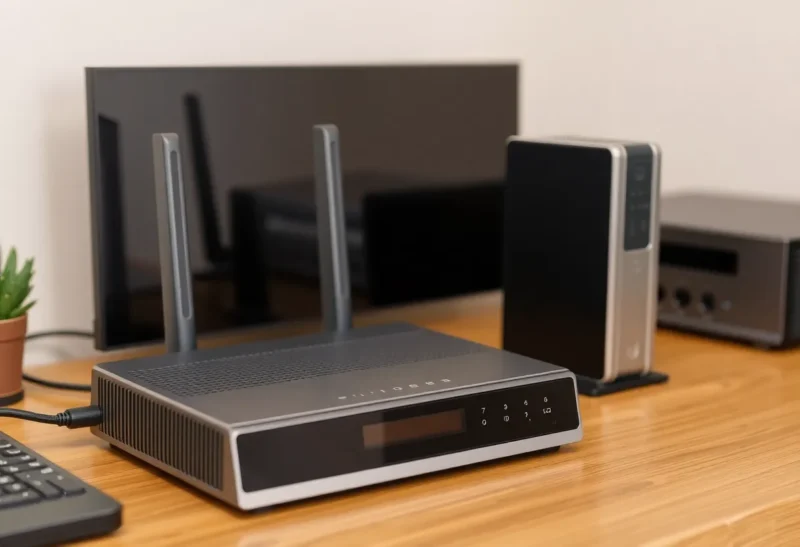
You have a modem from your ISP and a router you bought yourself. Two boxes, two power supplies, two things to troubleshoot. Why are they still separate? And when might that change?
The Simple Answer
A modem converts the signal from your ISP—cable, DSL, fiber—into something your network can use. A router assigns IP addresses, routes traffic between devices, and creates your local network. They do different jobs. For decades, ISPs supplied modems; consumers bought routers. That’s why they’re separate.
The Combo Unit Trade-off
ISP combo units—modem plus router in one box—exist. They’re convenient: one device, one power plug, fewer cables. The catch: you’re locked into whatever the ISP provides. You can’t upgrade the router without losing the modem, or vice versa. Firmware updates are controlled by the ISP. If the combo fails, your internet and Wi‑Fi both go down. Many power users prefer separate devices so they can replace or upgrade one without touching the other.
When Might They Merge?
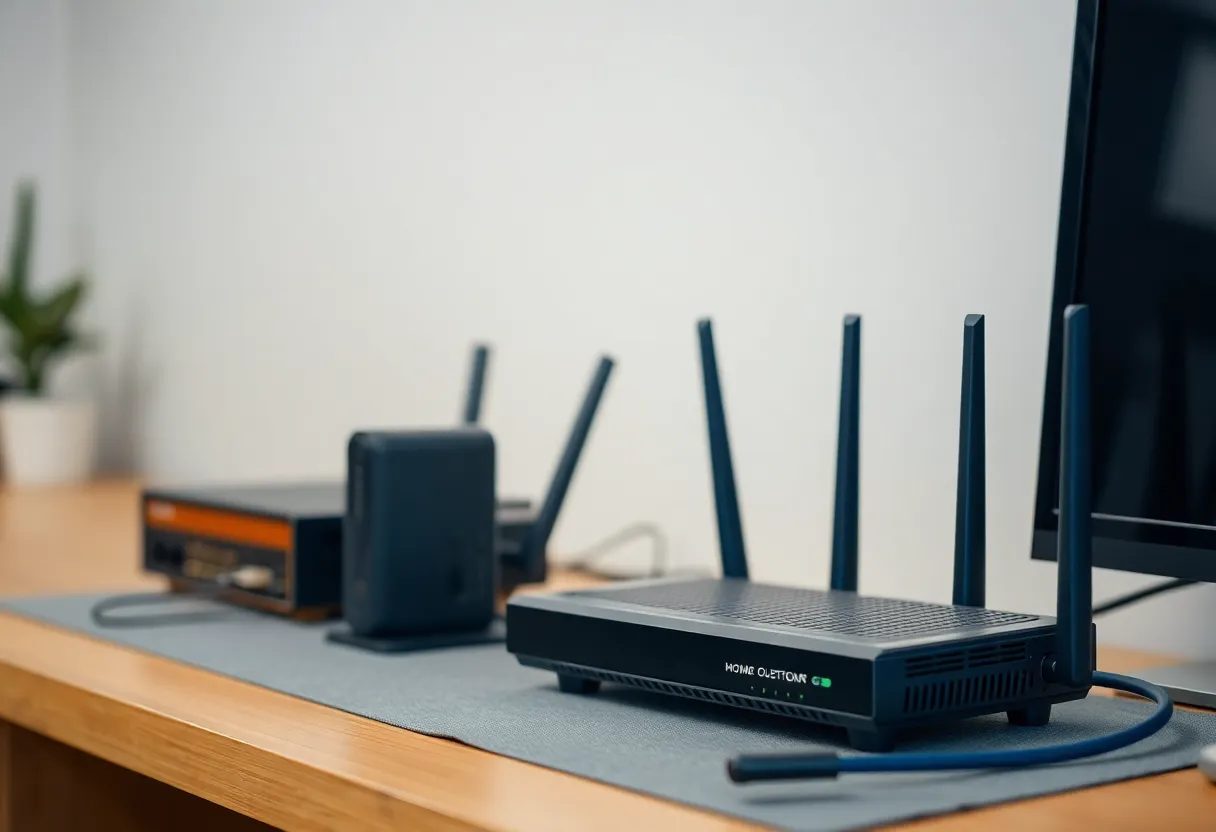
Fiber and fixed wireless are changing the picture. With fiber, the “modem” is often an ONT (optical network terminal) that the ISP owns and installs. You plug your router into it. The ONT stays put; the router is yours. With 5G home internet, the modem is built into a gateway; you can often use it in bridge mode with your own router. The line between modem and router is blurring—but separate devices still give you more control.
ISP Rentals vs. Own Equipment
Many ISPs charge a monthly fee for a modem or combo unit. Owning your own modem can pay for itself in a year or two—and you avoid rental fees indefinitely. Check your ISP’s approved modem list before buying; compatibility varies by technology (cable, DSL, fiber) and sometimes by region. A modem that works with one ISP may not work with another.
What to Do
If you want flexibility, keep them separate. Buy your own modem (if your ISP allows it) and your own router. You’ll have more control over firmware, features, and troubleshooting. If you want simplicity and don’t care about tweaking, a combo unit is fine. Just know the trade-off: convenience for control.
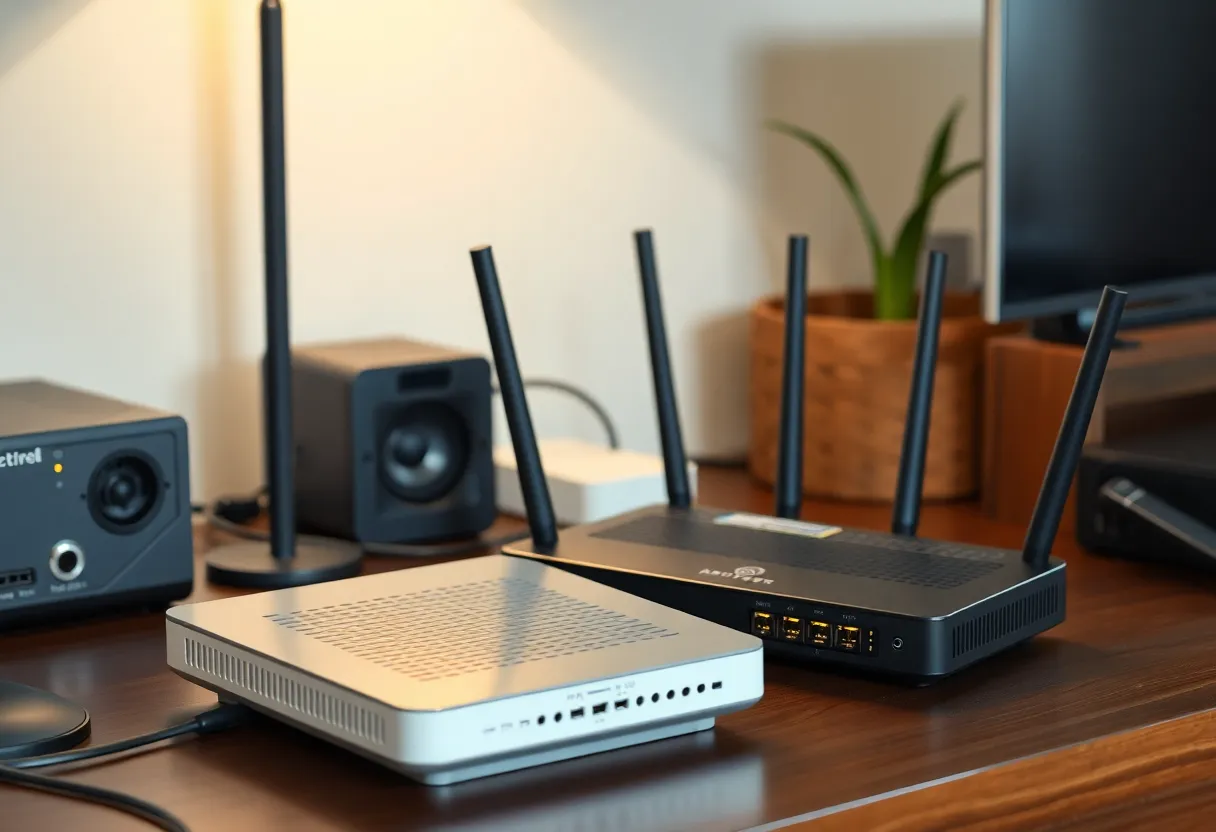
Modems and routers remain separate because they do different jobs and power users prefer flexibility. The combo trend is growing—but for now, the choice is yours: simplicity or control.