The Case for a Dedicated Note-Taking Device When Apps Aren’t Enough

Taylor Kim
March 7, 2026

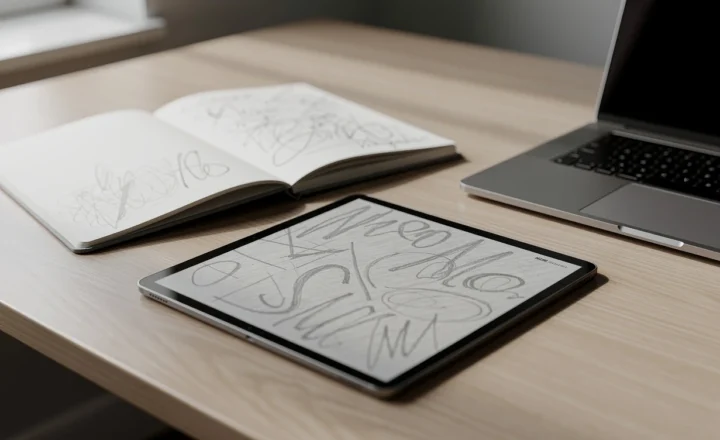
Everyone has a note-taking app. Evernote, Notion, Apple Notes, Obsidian—the list goes on. Your phone, your laptop, your tablet: they all sync. So why would anyone buy a dedicated note-taking device? A Remarkable, a Supernote, or even an e-ink tablet with a stylus? The answer isn’t features. It’s focus.
Here’s the pitch: a dedicated device does one thing. No notifications. No browser. No infinite scroll. When you pick it up, you write. That constraint—the absence of everything else—is the point. Apps are powerful. They’re also distracting. For deep thinking and long-form writing, a device that can’t do anything else is a feature.
The Distraction Problem
Your phone and laptop are designed to compete for attention. Every app, every tab, every notification is optimized to pull you in. Note-taking apps live alongside email, Slack, Twitter, and the rest. Opening your notes means resisting the pull of everything else. For many people, that resistance fails. Notes get scattered, half-finished, or never started.
A dedicated device has no alternatives. There’s nothing to switch to. No tabs. No notifications. No “I’ll just check one thing.” You pick up the device, and you write—or you put it down. The friction of switching disappears because switching isn’t an option. That sounds limiting. For focus, it’s liberating.
E-Ink and the Writing Experience
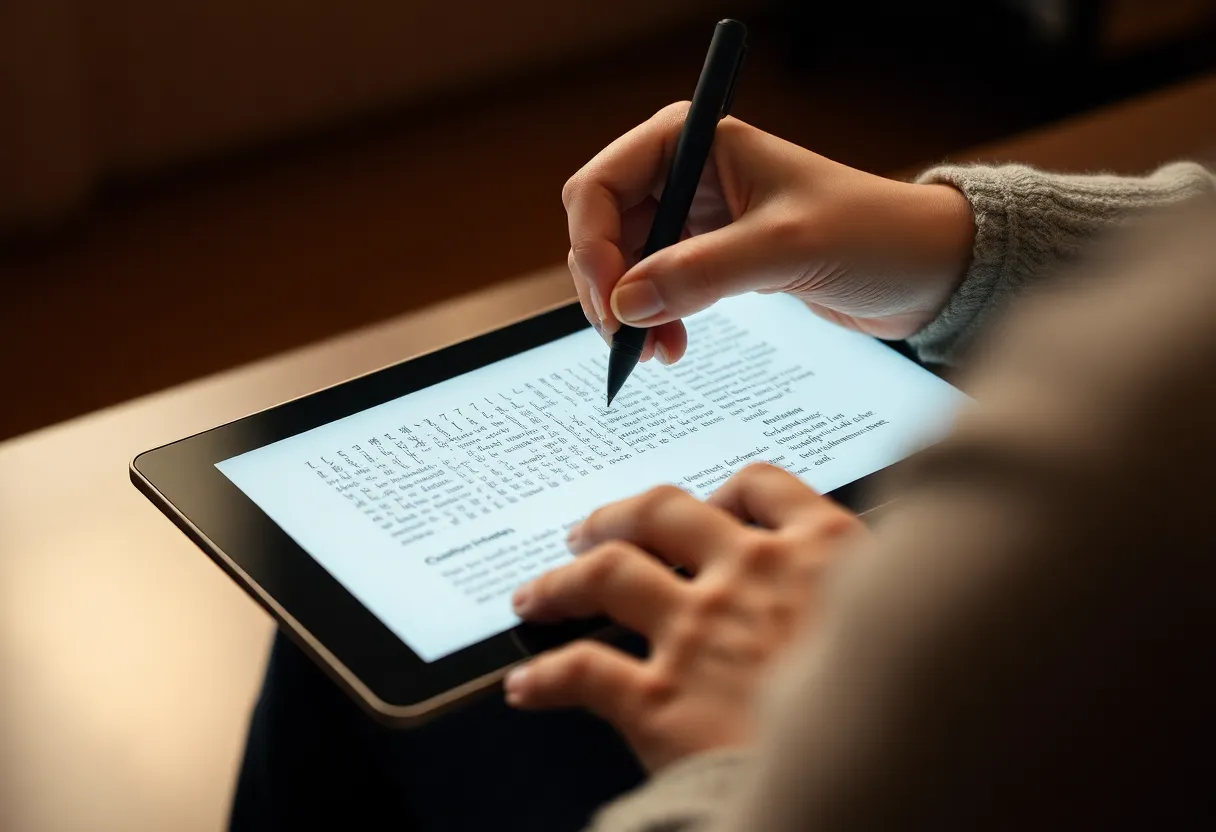
E-ink screens don’t glow. They reflect light like paper. That matters for long sessions. LCDs and OLEDs emit light; your eyes work harder. E-ink feels gentler. Add a stylus and you get handwriting—which research suggests aids memory and idea generation. The combination: low distraction, paper-like feel, handwritten input—creates an environment that favors sustained thinking.
Dedicated e-ink note-takers (Remarkable, Supernote, Boox) aren’t cheap. A good one runs $300–500. For that, you get a single-purpose device with no app store, no email, no browser. Some people find that absurd. Others find it essential. The difference often comes down to whether you’ve tried writing on a device that can’t interrupt you.
When Apps Are Enough
Not everyone needs a dedicated device. If your note-taking is quick captures—meeting notes, to-dos, reminders—apps are fine. Sync across devices is valuable. Search, tags, and linking are powerful. For structured knowledge work—building a second brain, maintaining a knowledge base—Obsidian, Notion, or Logseq may be better tools. The dedicated device isn’t a replacement for those. It’s a complement.
The case for a dedicated device is strongest when you do long-form writing, journaling, or brainstorming. When the goal is sustained focus rather than quick capture. When the presence of other apps actively undermines your output. If that describes you, a Remarkable or similar might be worth the investment.

The Bottom Line
Apps aren’t wrong. They’re powerful and flexible. But power and flexibility come with distraction. A dedicated note-taking device trades features for focus. For some, that trade is worth it. If you’ve never tried writing on a device that can’t do anything else, you might be surprised how much gets done when there’s nothing else to do.