

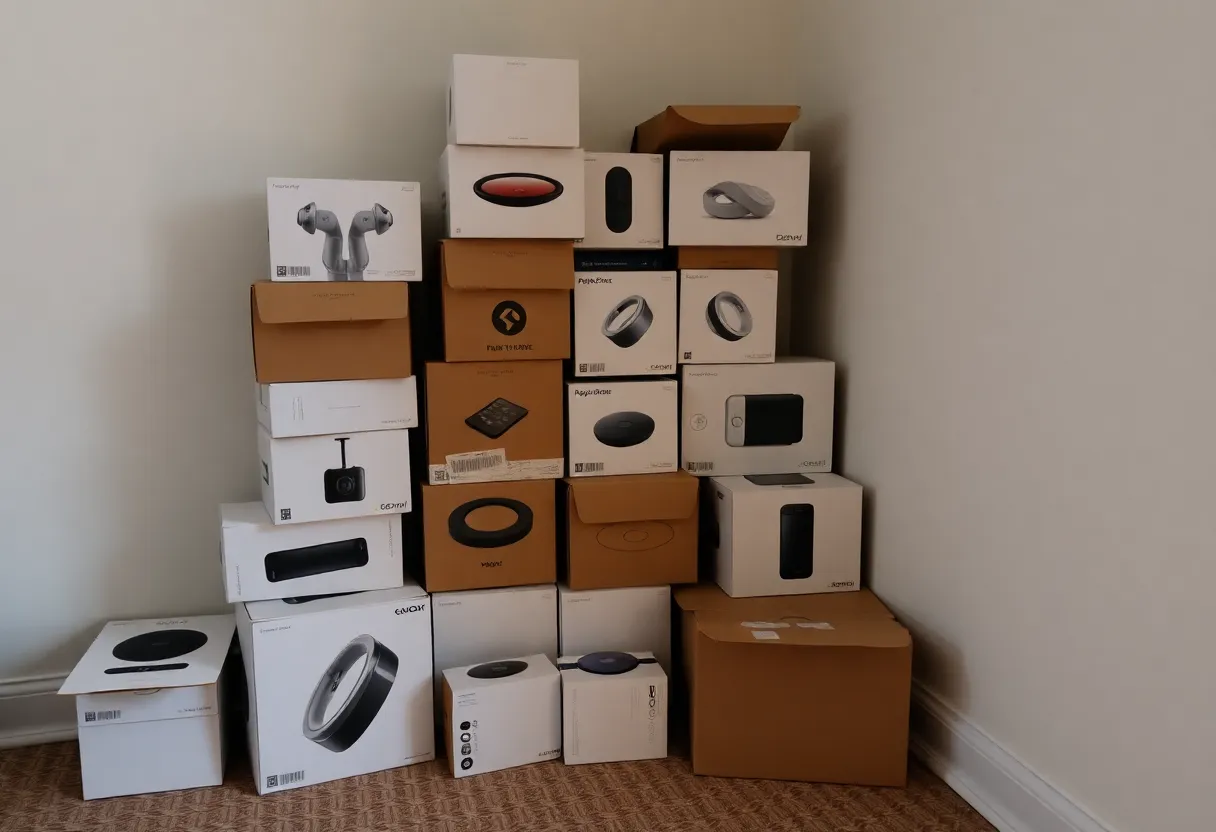
You know the drill. You buy a gadget—a smartwatch, a fitness tracker, a new keyboard—convinced it will change your life. It arrives. You use it for a week. Then it sits in a drawer. Months later, you find it while cleaning and feel a twinge of guilt. Why do we keep doing this? The answer isn’t laziness. It’s psychology—and the tech industry knows it.
Here’s the uncomfortable truth: gadget buying is often less about utility and more about anticipation. The dopamine hit comes from the purchase, not the product. The industry optimizes for that moment—the unboxing, the first setup, the novelty—and under-invests in the long-term experience. Understanding why you buy helps you buy less, and choose better.
The Anticipation Trap
Research on consumer behavior shows that anticipation often delivers more pleasure than consumption. The week before a trip can feel better than the trip itself. The same applies to gadgets. Browsing reviews, comparing specs, clicking “buy”—that sequence triggers reward circuits. The product arrives. The novelty fades. The gadget that promised to optimize your life becomes clutter.
The tech industry leans into this. Marketing emphasizes the moment of acquisition: the unboxing experience, the first boot, the “aha” of discovery. Long-term usability—will you still care in six months?—gets less attention. Products are designed to sell, not necessarily to stick. That’s not a bug. It’s the business model for many gadget categories.

Identity and Aspiration
We don’t just buy gadgets. We buy the people we think we’ll become. The fitness tracker is for the version of you that runs every morning. The e-reader is for the version that reads 50 books a year. The mechanical keyboard is for the version that writes that novel. The purchase is a vote for that future self. When that self doesn’t materialize, the gadget becomes a reminder of the gap.
Aspirational buying isn’t irrational. It’s human. But it leads to accumulation when the aspirations outpace the behavior change. The fix isn’t to stop aspiring—it’s to decouple aspiration from acquisition. Try before you buy. Borrow. Rent. Give yourself a cooling-off period. If you still want it in 30 days, go ahead. Most of the time, you won’t.
FOMO and the Upgrade Cycle
Tech thrives on novelty. New models, new features, new “must-haves.” The upgrade cycle is designed to make last year’s gadget feel inadequate. FOMO—fear of missing out—drives purchases even when the current device works fine. The industry benefits. You end up with a drawer full of “perfectly good” devices you replaced for marginal gains.
Breaking the cycle requires recognizing the pattern. The new thing is rarely as transformative as the marketing suggests. Incremental improvements—faster chip, better camera—matter less in practice than in specs. Ask: does my current gadget actually limit me? If not, the upgrade is optional. Treat it that way.
What Actually Helps
If you want to buy fewer gadgets you don’t use, change the process. Wait 48 hours before any non-essential purchase. Write down why you want it—and whether that reason will still hold in six months. Borrow or try before you buy when possible. One-in-one-out: for every new gadget, sell or donate one. And audit your existing stuff. What are you actually using? What’s gathering dust? That inventory is a reality check.
The goal isn’t minimalism for its own sake. It’s alignment: buy what you’ll use, skip what you won’t. The psychology of gadget buying won’t disappear. But awareness of it—and small changes to your process—can break the cycle before the drawer fills up.