What the Latest Battery Research Actually Means for Your Next Phone

Jordan Lee
March 7, 2026
Headlines about battery breakthroughs are everywhere: solid-state cells, silicon anodes, sodium-ion chemistry, 10-minute fast charging. The gap between lab results and the phone in your pocket is vast—and most of that gap won’t close in the next few years. But some of it will. Here’s what the latest battery research actually means for the device you’ll buy next.
The Lab vs. the Factory
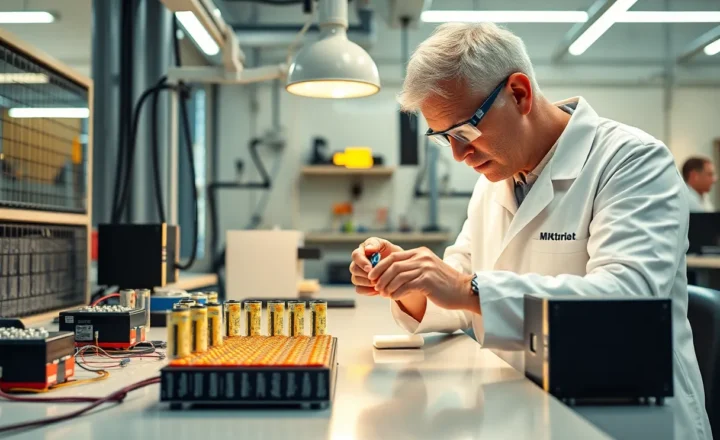
University and industry labs announce new chemistries, higher energy density, and faster charge times regularly. What they’re testing is usually a coin cell or a small pouch cell in a controlled environment: perfect temperature, ideal voltage, no real-world abuse. Mass production is a different beast. Scaling a lab result to millions of cells means dealing with yield, cost, and reliability. A chemistry that works at 100 cells might fail at 100 million.
That’s why timelines stretch. Solid-state batteries have been “five years away” for a decade. Sodium-ion cells are real—they’re shipping in some low-cost EVs in China—but they’re not in flagship phones yet. The research you read about today typically takes five to fifteen years to reach mainstream consumer devices.
What’s Actually Coming Soon
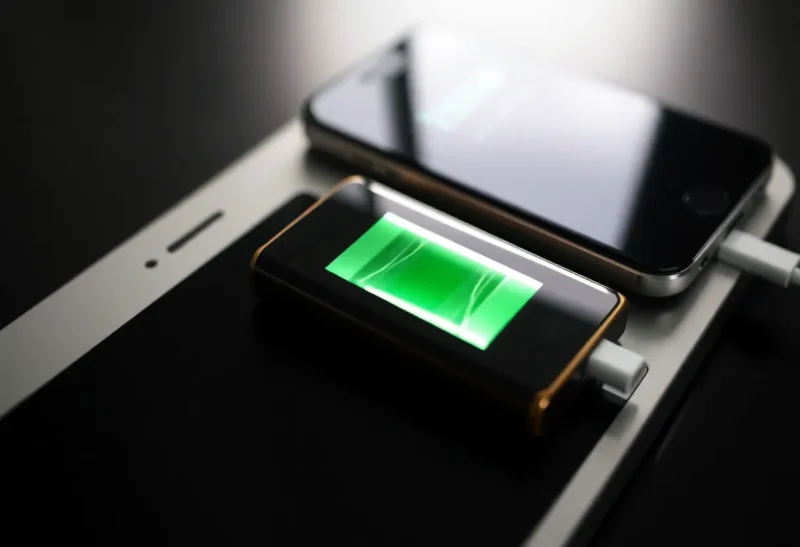
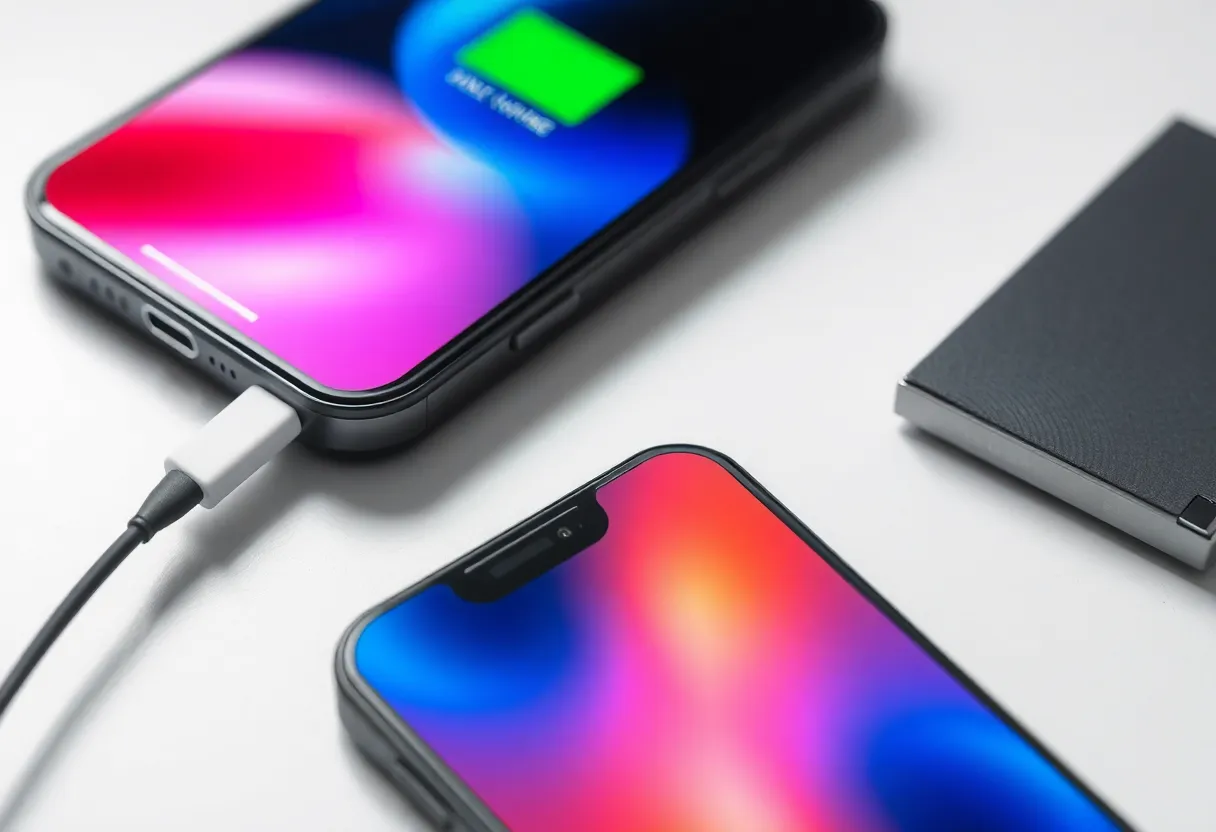
For phones specifically, the near-term improvements are incremental. Lithium-ion cells are getting slightly denser each year—a few percent improvement in energy per volume. Fast charging is improving: 80W, 100W, and even 150W chargers are real, though heat remains the bottleneck. Charging a cell too fast degrades it; manufacturers balance speed against longevity. Battery health features—limiting charge to 80%, adaptive charging—are software solutions to a hardware problem.
Silicon anodes are the closest “new” chemistry to market. Silicon stores more lithium than graphite, so you get higher capacity in the same volume. The catch: silicon swells when it charges, which cracks the anode and kills the cell. Researchers have made progress with nanostructured silicon and composite anodes; some EVs and high-end phones may adopt partial silicon anodes in the next few years. Expect modest gains—10–20% more capacity—not a revolution.
Solid-State: Still Years Away for Phones
Solid-state batteries replace the liquid electrolyte with a solid one. That promises higher energy density, faster charging, and no fire risk from punctures. Lab prototypes exist. Production at scale does not. The challenges are manufacturing: solid electrolytes are brittle, interfacial resistance is high, and the cost of producing defect-free cells is prohibitive. Toyota, Samsung, and others have pushed back their timelines repeatedly.
When solid-state does arrive, it will likely land in EVs first—where the cost premium can be absorbed—and trickle down to phones later. Don’t expect it in your next device. The one after that, maybe. The one after that, probably.
Sodium-Ion: Cheap, Not Dense
Sodium-ion batteries use sodium instead of lithium. Sodium is abundant and cheap; lithium is not. The trade-off is energy density: sodium-ion cells store less energy per kilogram than lithium-ion. That makes them suitable for stationary storage, low-cost EVs, and possibly budget phones—where cost matters more than slimness. High-end flagships will stick with lithium-ion for years.
Lithium Will Dominate for a While
Despite the hype around alternatives, lithium-ion isn’t going away. It’s mature, scalable, and improving. Researchers squeeze a few percent more capacity out every year. Manufacturing costs keep falling. The incumbent advantage is real: a new chemistry has to beat lithium-ion on cost, density, safety, and longevity—all at once—to displace it. That’s hard. Solid-state and sodium-ion will find niches; lithium-ion will hold the mainstream for at least another decade.
Why Lab Headlines Mislead
Press releases often cherry-pick the best metric: “50% higher energy density” might mean in a coin cell at room temperature, not in a pouch cell after 500 cycles in the cold. “10-minute charge” might mean 10 minutes to 80%, with significant capacity loss over time. Always ask: at what scale? Under what conditions? For how many cycles? The answers usually temper the hype.
That doesn’t mean the research is useless. It’s how progress happens—incremental steps that eventually add up. But the timeline is long. The battery in your phone today is the result of research that started 15 years ago. The research you read about now will influence the phone you buy in 2030.
The Charging Speed vs. Longevity Trade-off
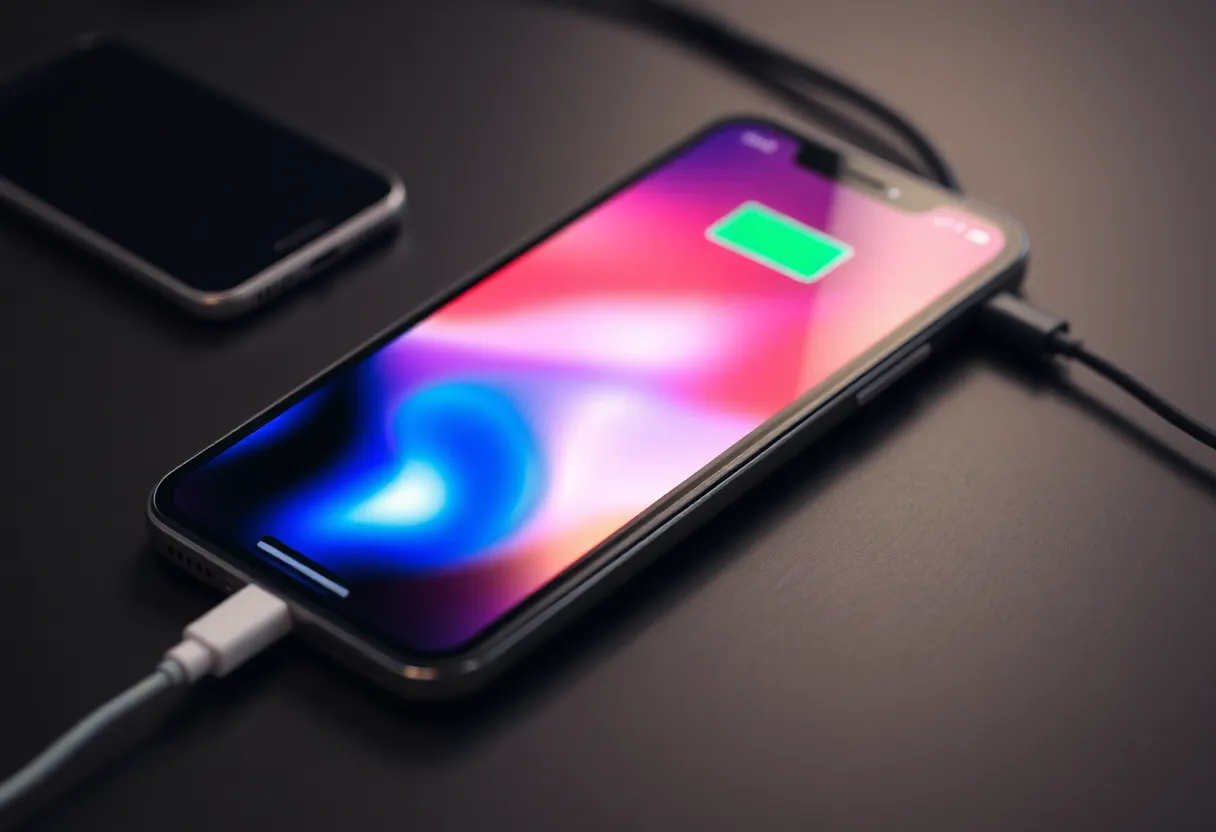
Faster charging stresses the cell. Heat and high current accelerate degradation. Phone manufacturers know this; they throttle charge rates as the battery fills and when it’s hot. Some phones limit peak charging to overnight; others offer a “battery health” mode that caps charge at 80%. The goal is to balance convenience—”I need a quick top-up”—with longevity. Expect your next phone to charge fast when you need it, and slow when you don’t.
What You Can Do Today
While you wait for better chemistries, optimize what you have. Avoid deep discharge; keep the phone between 20% and 80% when possible. Avoid heat—don’t charge while gaming or leave the phone in a hot car. Use adaptive charging if your phone offers it; it slows the charge rate when you’re not in a rush. Replace the battery when it degrades; most phones support it, and it’s cheaper than a new device.
Battery research is real, and progress is happening. The path from lab to pocket is long. Your next phone will be incrementally better, not revolutionary. Plan accordingly—and take care of what you have.