Why Satellite Constellations Are Reshaping How We Think About Connectivity

Robin Hayes
March 1, 2026
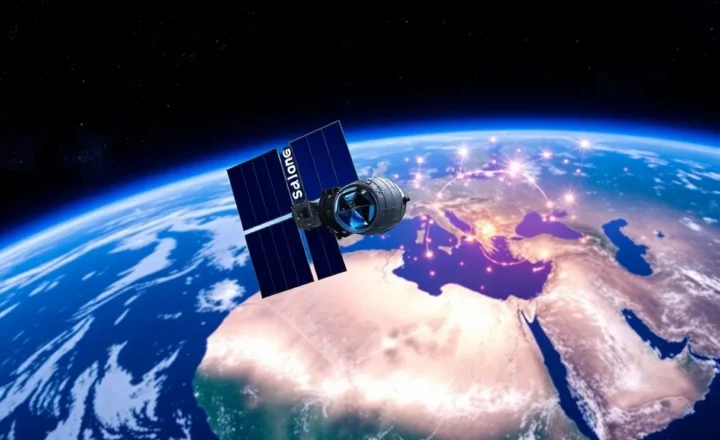
For decades, satellite internet meant geostationary orbit: a handful of big birds 22,000 miles up, high latency, and spotty service. Starlink and its competitors changed that. Thousands of small satellites in low Earth orbit (LEO), beaming broadband to dishes the size of a pizza box. Latency drops from hundreds of milliseconds to tens. Speeds rival ground-based broadband. The shift isn’t incremental—it’s reshaping how we think about connectivity. Here’s what’s changing and why it matters.
The Old Model vs. the New
Geostationary satellites sit in a fixed position relative to the ground. One satellite can cover a continent. The trade-off: they’re 22,000 miles away. Radio waves take hundreds of milliseconds to make the round trip. Video calls stutter. Gaming is painful. And coverage has gaps—polar regions, dense urban areas with tall buildings, places where the dish can’t see the sky. GEO satellite internet worked for basic email and browsing. It never competed with terrestrial broadband.
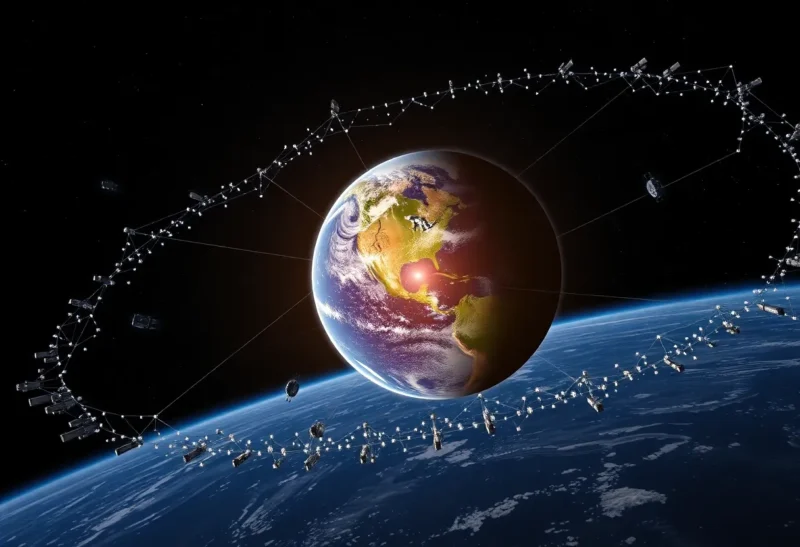
LEO constellations flip the model. Satellites orbit 300–600 miles up. Latency drops to 20–50 ms—comparable to cable or fiber. But a single LEO satellite covers a small patch of Earth and moves constantly. To provide continuous coverage, you need hundreds or thousands of them. SpaceX has launched thousands of Starlink satellites. Amazon’s Project Kuiper is following. OneWeb, Telesat, and others are building their own fleets. The sky is getting crowded.
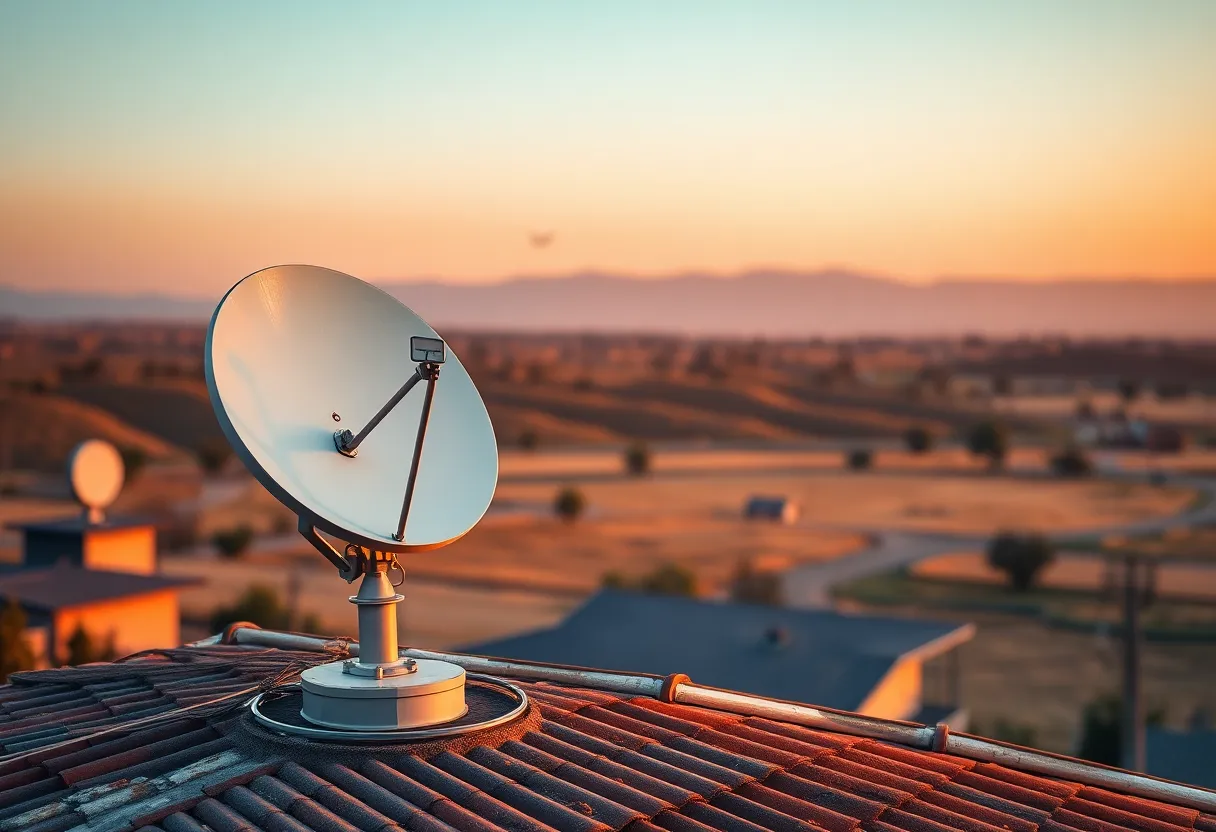
The technology has matured. Phased-array antennas—the flat “pizza box” dishes—track satellites automatically, switching from one to the next as they cross the sky. No mechanical steering, no precise alignment. Users set the dish down, plug it in, and it works. That usability is part of what’s driving adoption. Satellite internet used to require a technician. Now it’s consumer-grade.
Who Benefits
The obvious beneficiaries: rural and remote areas. Tens of millions of people live where terrestrial broadband is unavailable or unaffordable. Fiber and cable don’t reach them. LTE and 5G towers are sparse. LEO constellations can serve them from day one—no trenches, no towers, just a dish and a clear view of the sky. Starlink has already connected users in Ukraine, rural America, and remote regions worldwide. For many, it’s the first real broadband option they’ve ever had.
Other use cases: maritime, aviation, and mobility. Ships, planes, and RVs need connectivity that moves with them. Traditional satellite services were expensive and limited. LEO constellations offer higher bandwidth, lower latency, and more flexible pricing. Cruise ships, airlines, and long-haul truckers are signing up. The “connected car” is extending beyond the highway—soon, your car might have a satellite link for backup or rural travel.
The Challenges
LEO constellations aren’t free of problems. Space debris: thousands of satellites increase collision risk. Deorbiting plans and international coordination are critical. Light pollution: astronomers have complained about satellite trails ruining observations. Regulators and companies are working on mitigations—darker coatings, lower orbits, coordination with observatories—but the issue is real.
Cost and capacity: building and launching thousands of satellites is expensive. Starlink benefits from SpaceX’s reuse and vertical integration; others don’t have that advantage. And even with thousands of birds, total capacity is finite. LEO broadband can serve millions—maybe tens of millions—but it won’t replace terrestrial networks for dense urban areas. The economics don’t work. Satellites are a complement, not a substitute.
What Changes
Connectivity is becoming less tied to geography. If you can see the sky, you can get online. That shifts assumptions about where people work, live, and travel. Remote work in a cabin in the woods? Possible. A sailboat with video calls? Possible. Emergency connectivity when cell towers go down? Possible. The internet is no longer something that only exists where we’ve built infrastructure. It’s something that falls from the sky.
That’s a big deal. For decades, the digital divide was partly a geography problem—you can’t get fiber to every mountaintop. LEO constellations don’t solve everything—they’re still more expensive than terrestrial broadband where fiber exists, and capacity is finite—but they change the equation. Connectivity becomes possible in places it never was before.
The next decade will see more satellites, more competition, and more people connected. Regulators will grapple with spectrum allocation, debris mitigation, and international coordination. Astronomers will push for darker satellites. Consumers will vote with their subscriptions. The sky isn’t the limit anymore. It’s the medium. Satellite constellations are reshaping how we think about connectivity—and that shift is only beginning.