Why Android’s Update Delays Aren’t Just a Manufacturer Problem

Reed Kim
March 1, 2026
Your Android phone is six months old. A new version of Android has been out for weeks. You check for updates. Nothing. You check again. Still nothing. Meanwhile, Pixel users got it on day one. The blame usually falls on manufacturers—Samsung, OnePlus, Xiaomi—for being slow to adapt their skins and ship updates. But the problem runs deeper than OEM laziness. Android’s update delays are baked into the architecture. Understanding why is the first step toward fixing them.
The Android Stack: Too Many Cooks
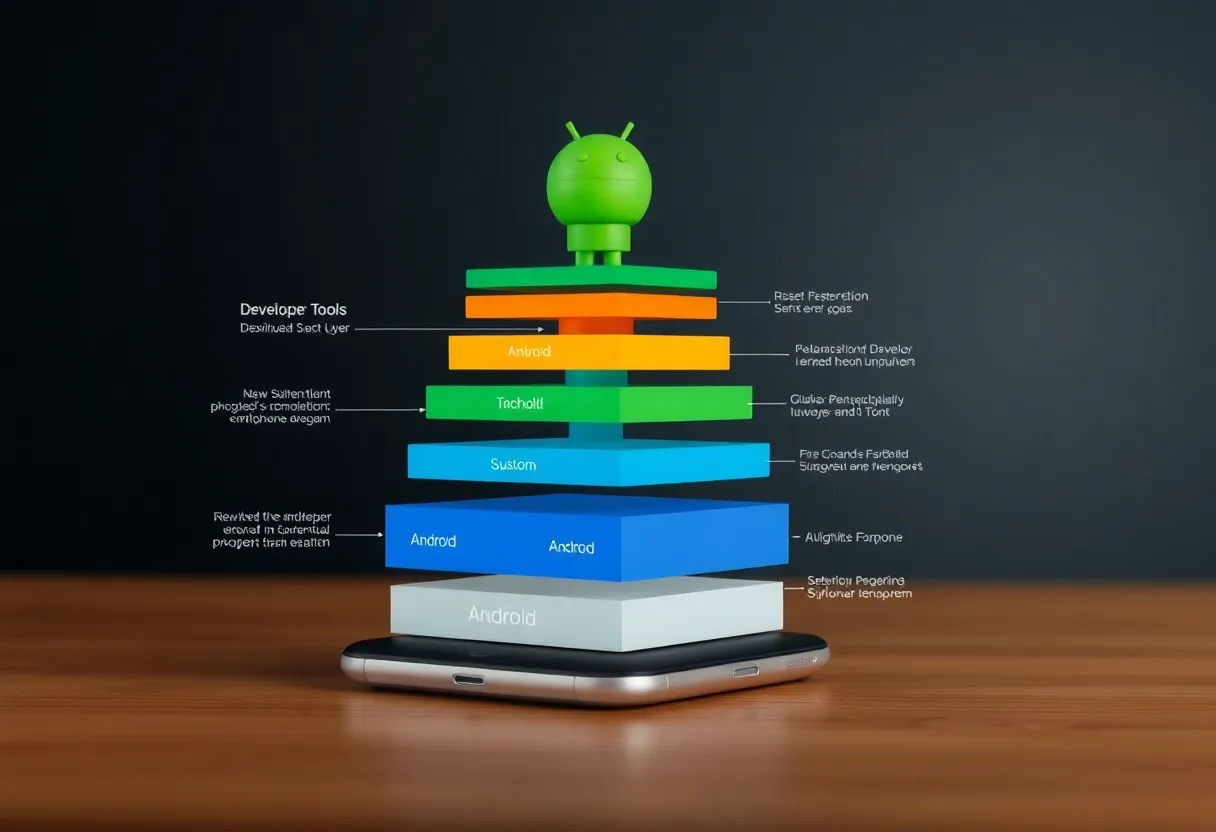
When Google releases a new version of Android, it’s just the beginning. The code has to pass through several layers before it reaches your phone. First, Qualcomm (or MediaTek, or Samsung) has to release driver and firmware updates for their SoCs. Then the phone manufacturer has to integrate those into their version of Android, add their UI skin and apps, and run carrier certification—a process that can take months. Each carrier in each region may require its own validation. A single phone sold in a dozen countries through multiple carriers can require dozens of certification cycles.
None of this exists in isolation. Google ships Android. The chip vendor ships drivers. The OEM ships the product. The carrier approves it. Each step adds delay. And each layer has its own incentives. Qualcomm wants to sell new chips, not spend engineering time supporting old ones. OEMs want to ship new phones, not retrofit old ones. Carriers want stability, not churn. The result: updates land slowly, if at all.
Compare that to the iPhone. Apple controls the chip, the OS, the hardware, and the distribution. When Apple ships an update, it goes straight to every compatible device. No Qualcomm, no Samsung skin, no carrier certification. The model isn’t perfect—Apple decides when to drop support for old devices—but it delivers consistent, timely updates. Android’s openness is its strength and its weakness. The ecosystem thrives on diversity; that same diversity makes coordination harder.

Project Treble and the Limits of Modularity
Google introduced Project Treble in Android 8 to separate the Android framework from vendor-specific code. The idea: vendors ship a single “vendor” implementation that works across multiple Android versions, so OEMs can update the framework without waiting for Qualcomm to touch the drivers. In theory, that should speed things up. In practice, Treble helped—many phones now get at least one major update—but it didn’t solve the problem. Vendor implementations still diverge. OEM skins still need to be adapted. Carriers still require certification. Treble reduced coupling; it didn’t eliminate it.
Project Mainline, which moved more system components into updatable APKs, goes further. Google can push fixes for security modules, media codecs, and other parts directly via the Play Store, bypassing OEM and carrier approval. That’s real progress—critical security patches can land in days instead of months. But it only covers a subset of the system. Full Android version upgrades still require the full stack. Mainline helps. It doesn’t fix fragmentation.
Carriers Are Part of the Problem
Carrier certification is often the invisible bottleneck. In the US, phones sold through carriers go through a validation process that can take weeks or months. The carrier tests for network compatibility, VoLTE, Wi‑Fi calling, and a host of other features. If something breaks, the update goes back to the OEM. The cycle repeats. Carriers have good reasons—they don’t want updates breaking voice calls or data—but the process adds massive delay. Unlocked phones sold directly by manufacturers often get updates faster because they skip carrier certification. The trade-off: carrier-sold phones often come with subsidies and payment plans; unlocked phones don’t.
What Would Fix It
Real improvement would require structural change. Google could mandate longer update support—some OEMs already promise four or five years. Chip vendors could commit to longer driver support windows. Carriers could streamline or automate certification. Regulators could require minimum update lifetimes for security. None of this is simple. Each stakeholder has different incentives. Google wants more control; OEMs want differentiation; carriers want stability; chip vendors want to sell new hardware. Aligning them is a political and economic problem, not just a technical one.
In the meantime, if you care about updates, vote with your wallet. Buy Pixel for fastest updates. Or choose an OEM known for longer support—Samsung and Google lead here. Avoid carrier-locked phones if you can. And push for regulation that requires security updates for a minimum period. The EU’s push for longer product support and repairability is a step in that direction; mandating minimum security update windows would be another.
Android’s update delays aren’t inevitable. They’re the result of choices—architectural, economic, and political. The manufacturers take a lot of flak, and some deserve it. But the problem is systemic. Fixing it will take pressure from users, regulators, and the industry itself. Until then, understanding why your phone is still on last year’s Android is the first step.