Supply Chain Tech: What Actually Changed After 2022

Halima Okafor
March 1, 2026
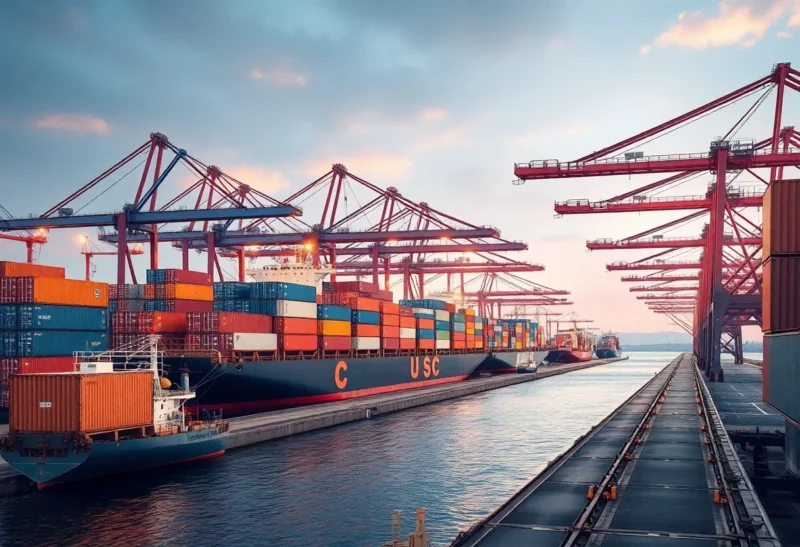
The chip shortage of 2020–2022 exposed how fragile global supply chains were. Cars sat unfinished, electronics vanished from shelves, and companies scrambled to secure components. In the years since, what’s actually changed? Did supply chains get more resilient, or did we just move the bottlenecks?
What the shortage revealed
Just-in-time manufacturing assumes components arrive when needed. Inventory is waste. The model works when supply is stable—and fails when it isn’t. The pandemic, geopolitics, and natural disasters disrupted that stability. Factories idled, ships backed up, and lead times stretched from weeks to months. Companies that had optimized for cost and efficiency had no buffer.
The shortage also revealed concentration risk. A handful of fabs produce most of the world’s advanced chips. A single plant fire in Japan or a drought in Taiwan could ripple through entire industries. Geographic diversification wasn’t a priority until it became urgent.
What actually changed
Inventory levels rose. Companies that ran lean started holding more stock. Buffer inventory costs money, but the shortage made the cost of running out painfully clear. Some of that buffer has stuck—especially for critical components. Others have reverted to lean as memory faded. The pendulum swings, but it hasn’t fully swung back.
Dual sourcing and diversification increased. Relying on a single supplier or region became riskier. Companies added second sources, moved production, or reshored critical components. The CHIPS Act in the US and similar initiatives in Europe and Asia accelerated semiconductor investment. Building fabs takes years—we’re still in the early innings of that shift.
Visibility improved. Supply chain software—tracking, forecasting, risk monitoring—got more investment. Companies wanted to see where their components were and what might break next. Digital twins, IoT sensors, and better ERP integration have made supply chains more observable. Whether that translates to faster response is still evolving.
What hasn’t changed
Geopolitics didn’t go away. Tensions between the US and China, Russia’s invasion of Ukraine, and regional conflicts continue to threaten supply routes and production. Diversification helps, but it doesn’t eliminate risk. A crisis in one region can still cascade.
Cost pressure remains. Holding more inventory, dual sourcing, and reshoring all cost more. In a downturn, companies may cut those buffers again. Resilience has a price; not everyone is willing to pay it when times are good.
Lead times for some components are still long. Semiconductor fabs take years to build. Rare earth processing capacity is concentrated. Some bottlenecks have eased; others persist. The supply chain is less fragile than in 2021, but it’s not robust.
The bottom line
Supply chains did get more resilient—inventory buffers, diversification, and visibility all improved. But the change is incremental, not transformative. The next crisis will test whether the lessons stuck. Companies that maintain buffers and diversify will fare better. Those that revert to just-in-time and single sourcing will be vulnerable again. The question isn’t whether supply chains changed—it’s whether the change will last.