Drone Cameras vs Action Cams: When Each Makes Sense for Creators

Finn Mercer
February 26, 2026
Creators often end up choosing between a drone and an action cam—or owning both and still wondering when to reach for which. Drones give you aerial perspective and smooth, cinematic movement; action cams give you first-person, in-the-moment footage from a bike, a helmet, or a kayak. They’re not interchangeable. A drone can’t strap to your chest; an action cam can’t hover 400 feet up. The right choice depends on the story you’re telling and the constraints you’re working under—budget, travel, regulations, and the kind of shots your audience expects. Here’s when each makes sense and how to think about the trade-offs.
What Each Tool Is Good For
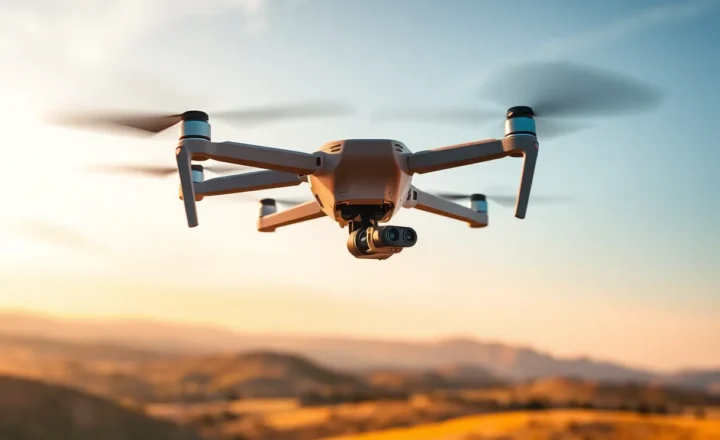
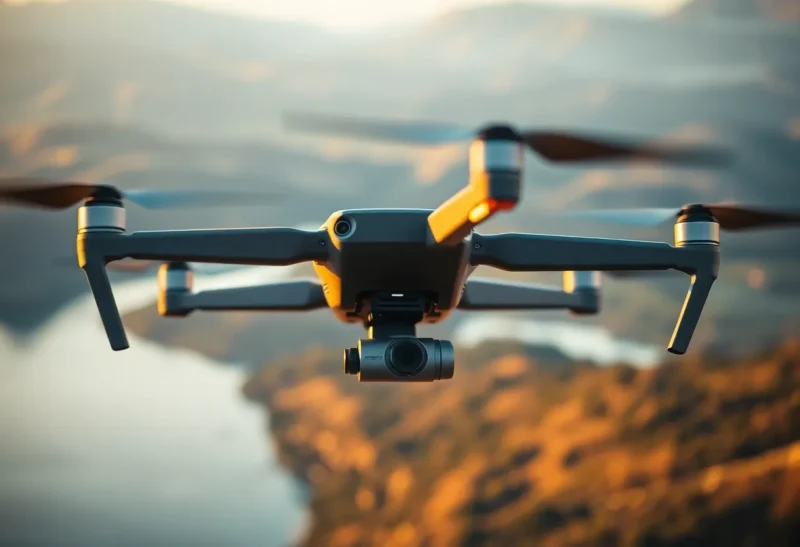
Drones are built for altitude and motion. You get establishing shots, sweeping landscapes, follow shots, and angles you can’t get any other way without a helicopter. A good drone has a gimbal for stable footage, decent battery life (often 20–30 minutes per pack), and increasingly good obstacle avoidance and subject tracking. The learning curve is real: regulations, flight modes, and piloting take time. But for travel, real estate, events, or any content that benefits from “from above,” a drone is the right tool. The constraint is airspace: where you can fly, weather, and local rules.
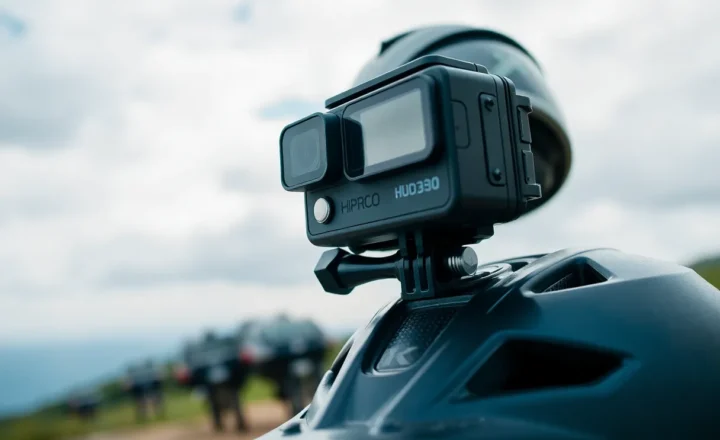
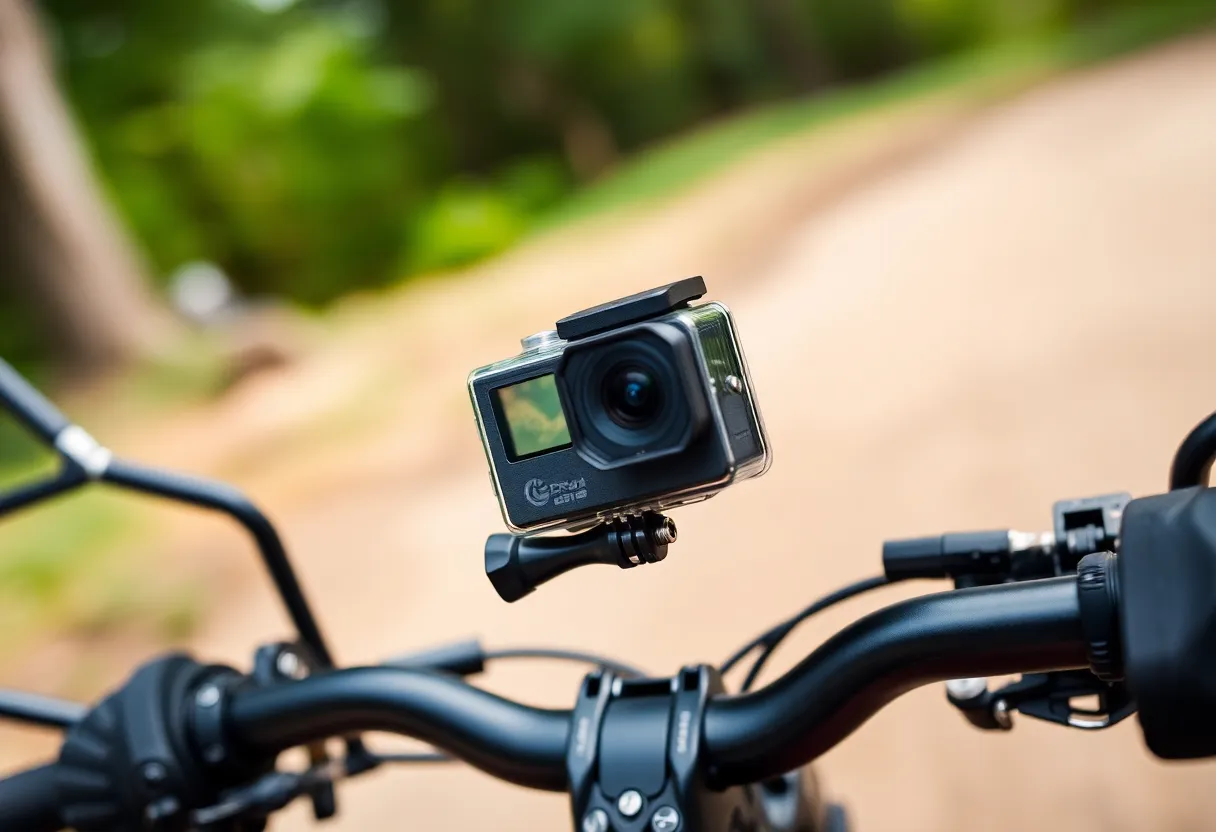
Action cams are built for attachment and durability. You mount them on helmets, handlebars, chest straps, or poles. They’re small, often waterproof, and designed to capture what’s happening from your perspective or from a fixed point on moving gear. They excel at POV, sports, and “you are there” moments. You don’t need to fly anything; you hit record and go. The constraint is perspective: you’re limited to where you can put the camera—on you or on something you’re controlling. No aerial unless you put the action cam on a drone, which some people do for a hybrid setup. Modern action cams offer good stabilization, 4K (and sometimes higher), and long battery life in a package that fits in your palm. They’re the right call when the story is about the experience, not the bird’s-eye view.
When to Choose a Drone
Pick a drone when your story needs scale, geography, or a view that only altitude provides. Travel and nature content, real estate and architecture, event coverage (where allowed), and any project that calls for “here’s the place” or “here’s the path” from above benefit from a drone. Drones also work for dynamic follow shots—tracking a runner, a car, or a boat—when you have the space and the piloting skill. If your creative vision is about showing context, distance, or movement through space, a drone is the right call. Just factor in flight time, batteries, and whether you’re in a no-fly zone or need permits.
When to Choose an Action Cam
Pick an action cam when the story is first-person or attached to the action. Cycling, skiing, surfing, climbing, driving, or any sport or activity where the viewer should feel “in it” works better with an action cam. So do vlogs and behind-the-scenes where you want a compact, mountable camera that can get wet or bumped. Action cams are also simpler to operate in the moment: start recording, focus on the activity, stop when done. No flight plan, no battery swap in the field (often one charge lasts a full day of clips). If your content is about the experience from inside the action, an action cam is the better fit.
Overlap and Combo Setups
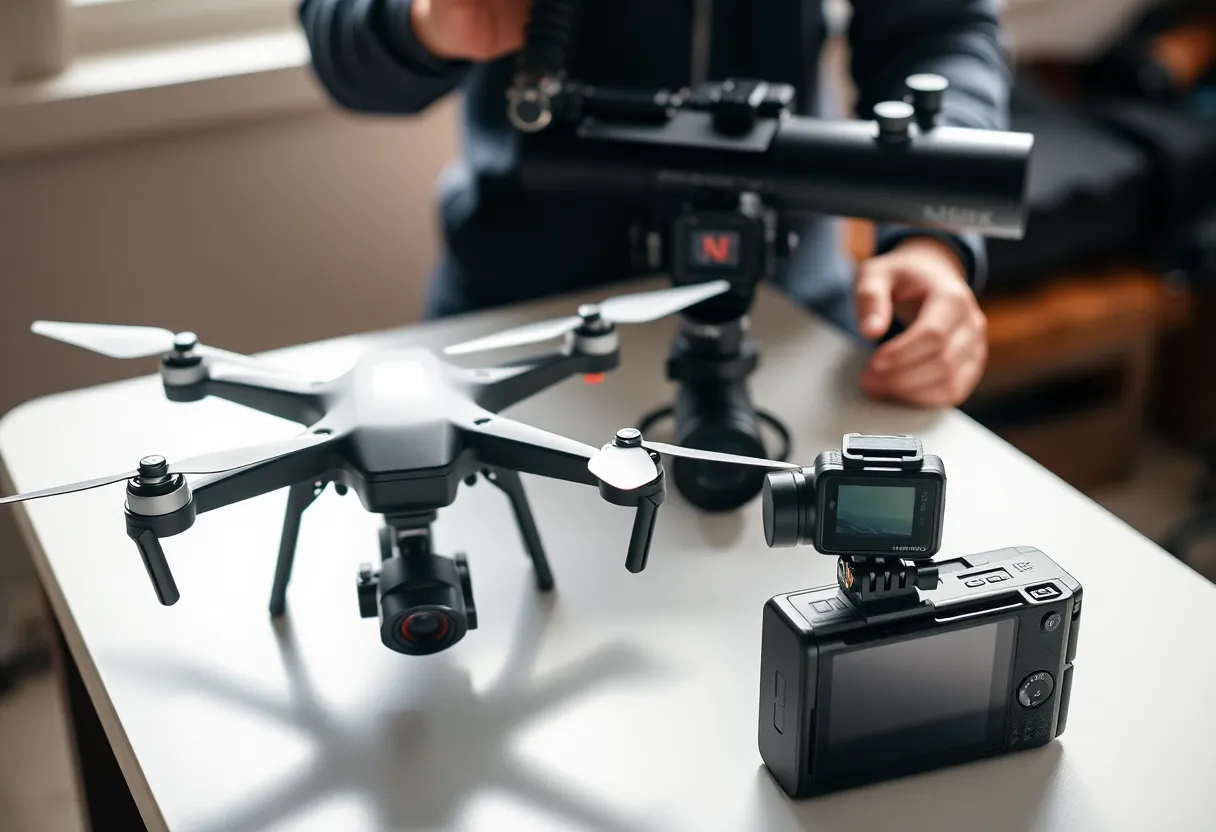
Some creators use both: drone for wide and establishing shots, action cam for POV and energy. A typical edit might open with a drone shot of the location, cut to action cam from the bike or the kayak, then back to drone for a closing wide. That combo gives variety and narrative—you’re not stuck in one perspective. A few people mount a small action cam on a drone for a lightweight aerial rig, though that’s niche; most keep the two tools separate and use each where it shines. The decision is usually “what does this shot need?”—altitude and sweep, or attachment and immersion. If you’re building a channel or a body of work that mixes landscapes and action, owning both lets you plan shoots around the right tool for each moment instead of forcing one camera to do jobs it wasn’t designed for.
Quality and Workflow
Both drones and action cams have improved dramatically. High-end drones offer 4K and beyond, good dynamic range, and stable gimbals; action cams now do 4K, solid stabilization, and sometimes 10-bit or log profiles for grading. For most creators, the limiting factor isn’t sensor size—it’s having the right camera in the right place. A well-framed action cam shot beats a poorly planned drone shot, and vice versa. In the edit, mixing drone and action cam footage can create a clear visual language: wide from the sky, tight from the action. Just keep codecs and frame rates consistent where you can so your timeline doesn’t become a patchwork of different formats.
Practical Considerations
Cost: both categories have budget and pro tiers. A decent action cam is often cheaper than a decent drone; drones add batteries, sometimes ND filters, and replacement parts (props, etc.). Entry-level drones and action cams both exist, but the total cost of ownership for a drone—extra batteries, charger, bag, maybe a controller upgrade—tends to be higher. Regulations: drones are heavily regulated in many places—registration, no-fly zones, line of sight, and commercial use rules. You have to check local laws before you fly; national parks, airports, and many urban areas restrict or ban drones. Action cams have almost no special rules beyond the same laws that apply to any camera in public. Portability: action cams fit in a pocket; drones need a case and often extra batteries. If you’re traveling light or to places where drones are restricted, an action cam is the flexible choice. If you’re going somewhere open and visual where aerial adds value, a drone earns its place in the bag. Finally, skill: flying a drone well takes practice. Piloting, framing, and avoiding obstacles are learned skills. Action cams are more point-and-shoot—mount, aim, record. If you’re short on time to learn or want to focus on the activity rather than piloting, an action cam is the lower-friction option.
Bottom Line
Drones are for perspective and scale—aerial shots, establishing scenes, and movement through space. Action cams are for immersion—POV, sports, and in-the-moment footage. Choose based on what the shot needs: altitude and sweep, or attachment and energy. Many creators keep both and use each where it makes sense; others start with one and add the other when their content demands it. Match the tool to the story, and you’ll get better results than trying to force one device to do everything.