Why the EV Fast-Charging Experience Still Feels Broken

Jordan Lee
February 26, 2026
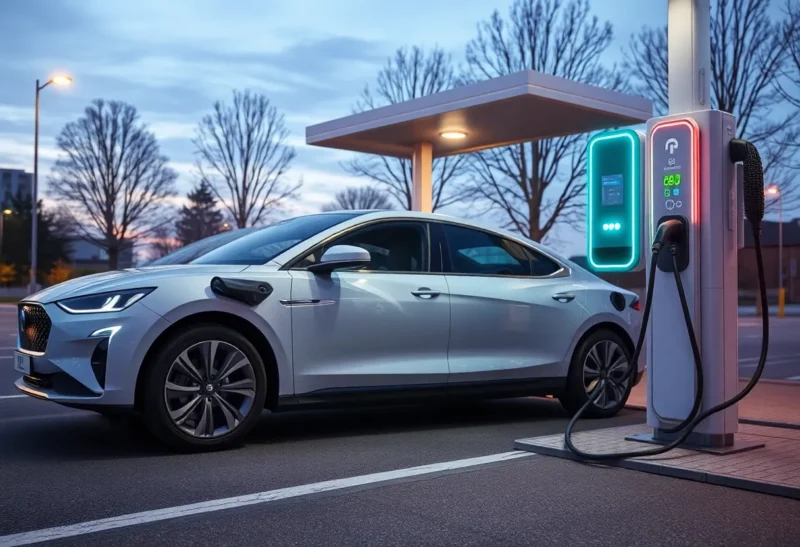
EV fast-charging has improved in raw speed: 150 kW, 250 kW, even 350 kW stations exist, and newer cars can accept more power. But the experience of actually using public fast chargers—finding one that works, paying for it, and getting the speed you expect—still feels broken for a lot of people. The technology is there; the ecosystem isn’t. Here’s why fast-charging still frustrates, and what would have to change for it to feel seamless.
The Promise vs. Reality
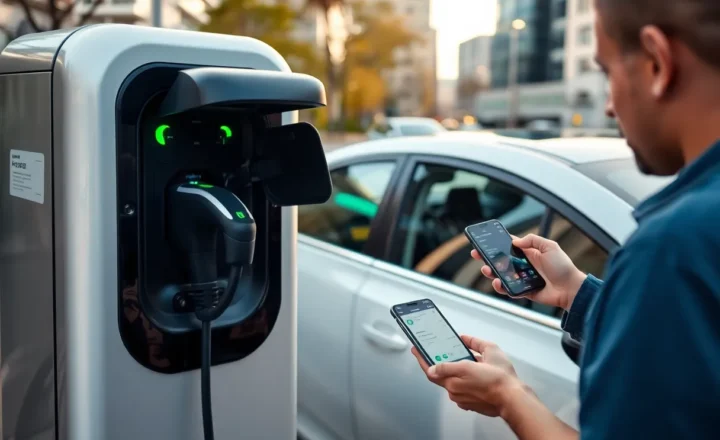
Marketing says you can add hundreds of miles in 20–30 minutes. In theory, that’s true for cars and chargers that support high power. In practice, you’re dealing with a patchwork of networks, apps, and payment systems. Some stalls are out of order. Others throttle because of grid limits or thermal management. You might need one app for one network and a different one for another, or a physical RFID card that you didn’t know you needed. The “just plug in and go” experience that petrol drivers take for granted is still the exception, not the rule.
Then there’s the “charge curve.” Your car doesn’t pull peak power for the whole session. It tapers as the battery fills, especially above 80%. So a “350 kW” station might only deliver that for a short window, and the last 20% can take as long as the first 80%. That’s physics and battery chemistry, but it’s rarely explained clearly at the point of sale. Drivers show up expecting linear speed and get a slow crawl at the end. It feels broken even when it’s “working as designed.”
Fragmentation and Reliability
Unlike gas stations, which are relatively uniform (pull up, pay at pump or inside, leave), fast-charging is split across dozens of operators. Tesla’s Supercharger network is the closest thing to a consistent experience, and even that varies by location and whether non-Teslas can use it. For everyone else, you’re juggling Electrify America, EVgo, ChargePoint, and regional players, each with its own app, account, and pricing. Some stalls require an app to start; others take tap-to-pay; others only work with a membership. If you’re on a road trip, you might need to pre-load half a dozen apps and hope one of them has a working stall when you arrive.
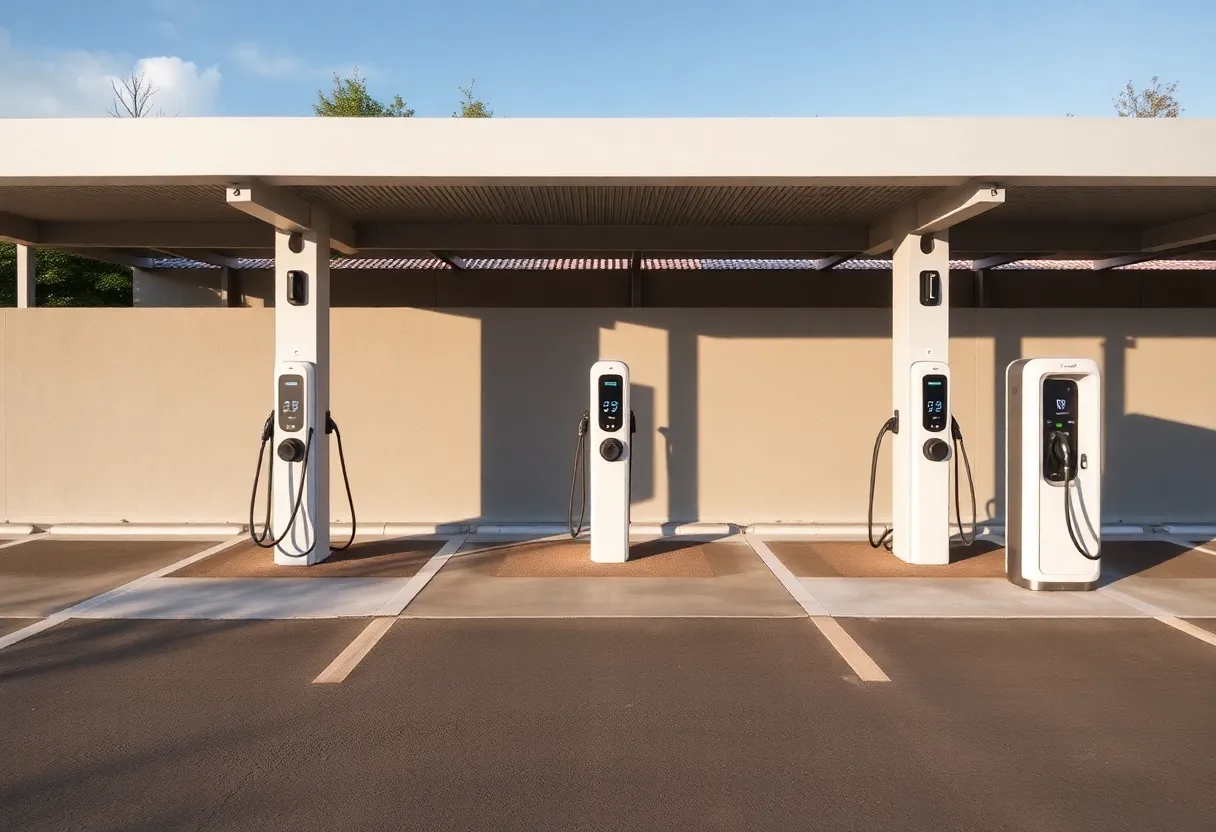
Reliability is the other half. Reports of “out of order” stalls, reduced power, or failed handshakes between car and charger are common. A four-stall site might have two stalls down and one limited to 50 kW. You roll up with low charge and discover you’re waiting behind the only working stall or driving to the next site. That uncertainty—”will it work?”—is what makes the experience feel broken. You’re not just buying electrons; you’re buying confidence that you can complete your trip. Right now, that confidence is still fragile.
What Would Fix It
Three things would make fast-charging feel less broken. First, interoperability: one account or one payment method that works everywhere, like a credit card at any gas pump. Plug-and-charge (where the car and charger authenticate automatically) is in place for some vehicles and networks but far from universal. Second, reliability: operators need to maintain equipment and show real-time status (which stalls work, which are in use). Apps and in-car nav are getting better at this, but too many drivers still arrive to find surprises. Third, expectations: clearer communication that “fast” means “fast for the first 60–80%,” and that 350 kW is a peak, not an average. Setting realistic expectations would reduce the “why is it so slow?” frustration.
The Road Ahead
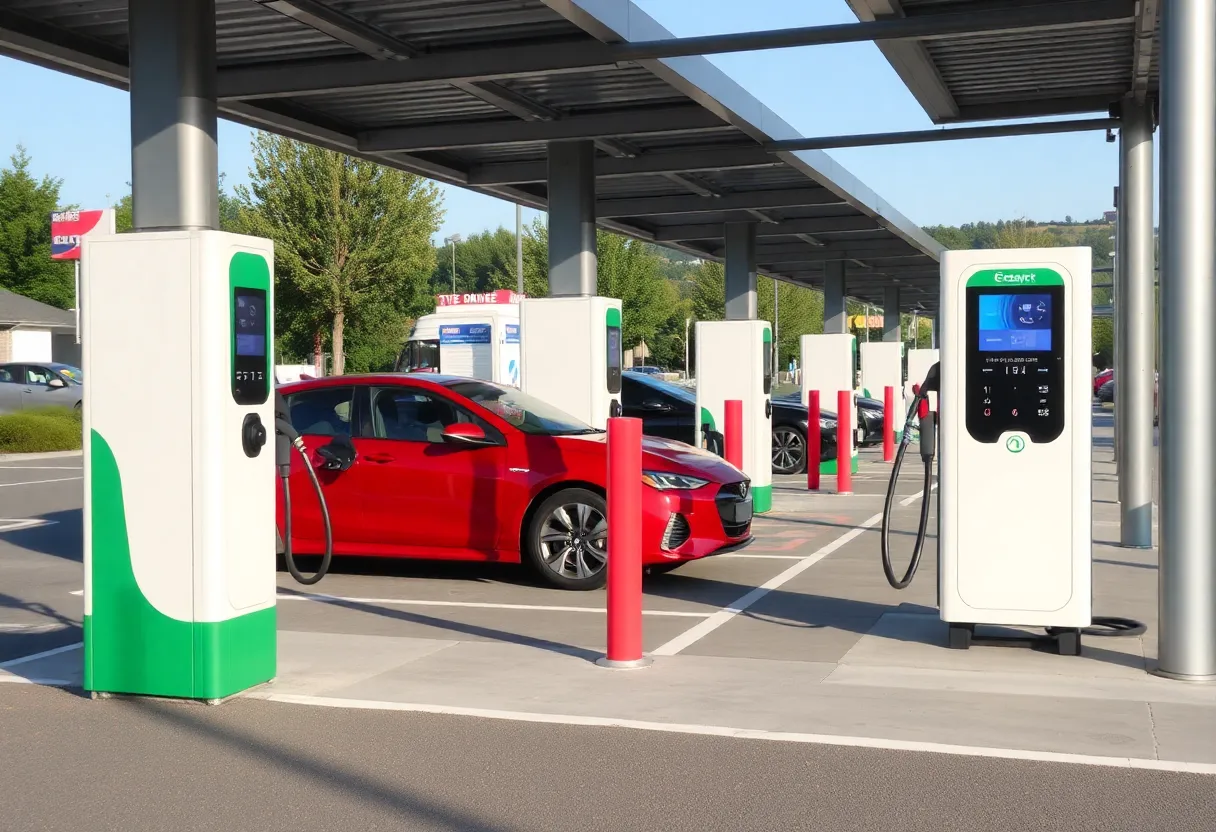
More automakers are adopting the North American Charging Standard (NACS), and Tesla’s network is opening to other brands. That should improve consistency and availability. Grid upgrades and better maintenance could improve reliability. But the experience will keep feeling broken until using a public fast charger is as predictable as filling a tank—same simple payment, same expectation that the equipment works. We’re not there yet. If you’re considering an EV and will depend on public fast-charging, plan for some friction. It’s getting better, but it’s still not seamless.
Conclusion
EV fast-charging has the power and the hardware to work well. What’s missing is a unified, reliable ecosystem: one way to pay, transparent status, and realistic expectations about speed. Until that’s in place, the experience will continue to feel broken even when individual sessions go fine. The fix is less about more kilowatts and more about making the network consistent and dependable.