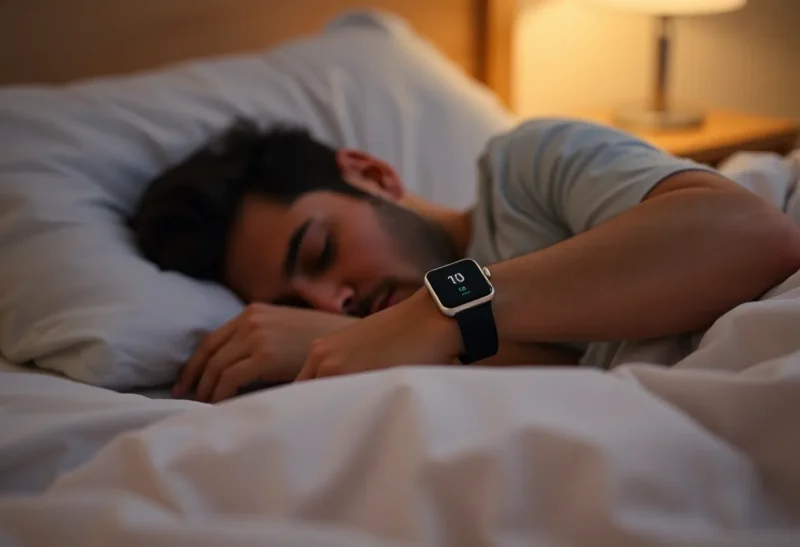
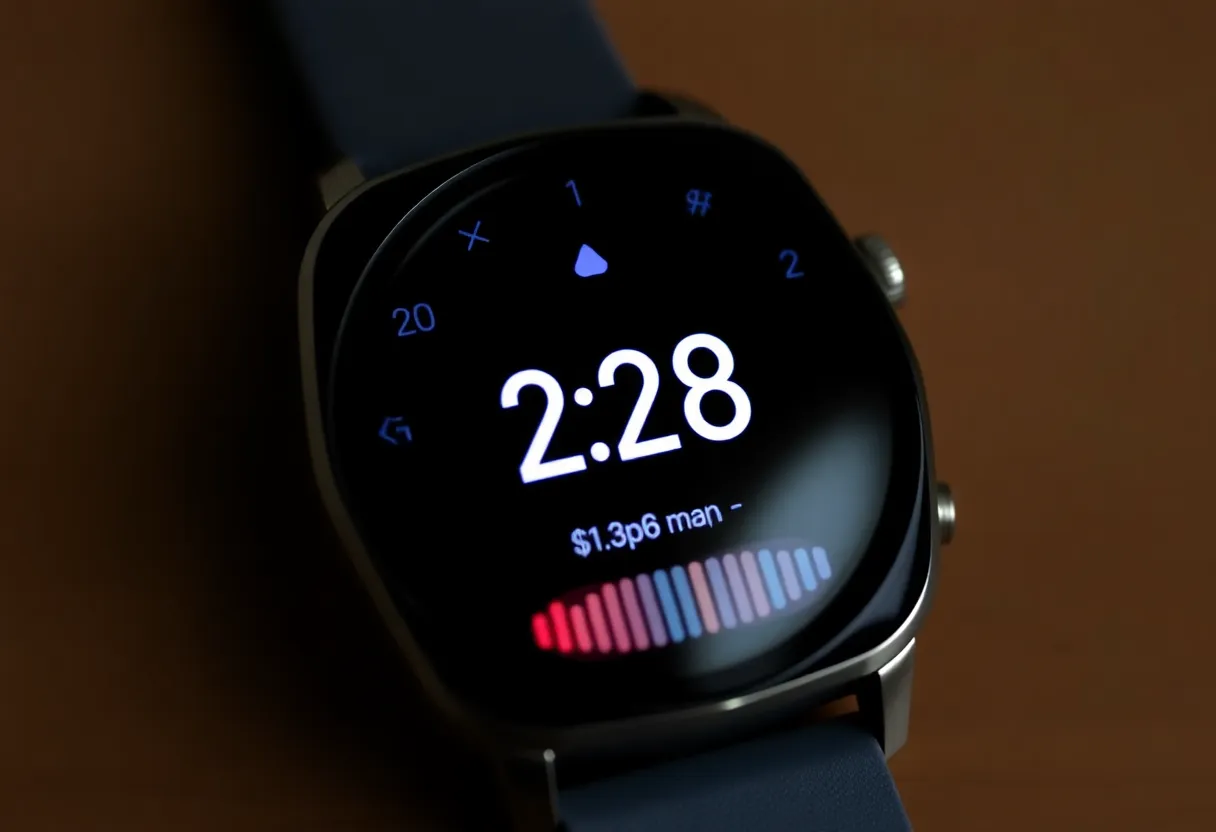
Sleep trackers on your wrist promise to tell you how well you slept: how long you were in deep sleep, how many times you woke up, and whether you’re “recovered” enough for the day ahead. The numbers feel reassuring—or alarming—and it’s easy to treat them as gospel. But wearables are measuring proxies, not sleep itself. Understanding what they get wrong can help you use the data without being misled by it.
What Wearables Actually Measure
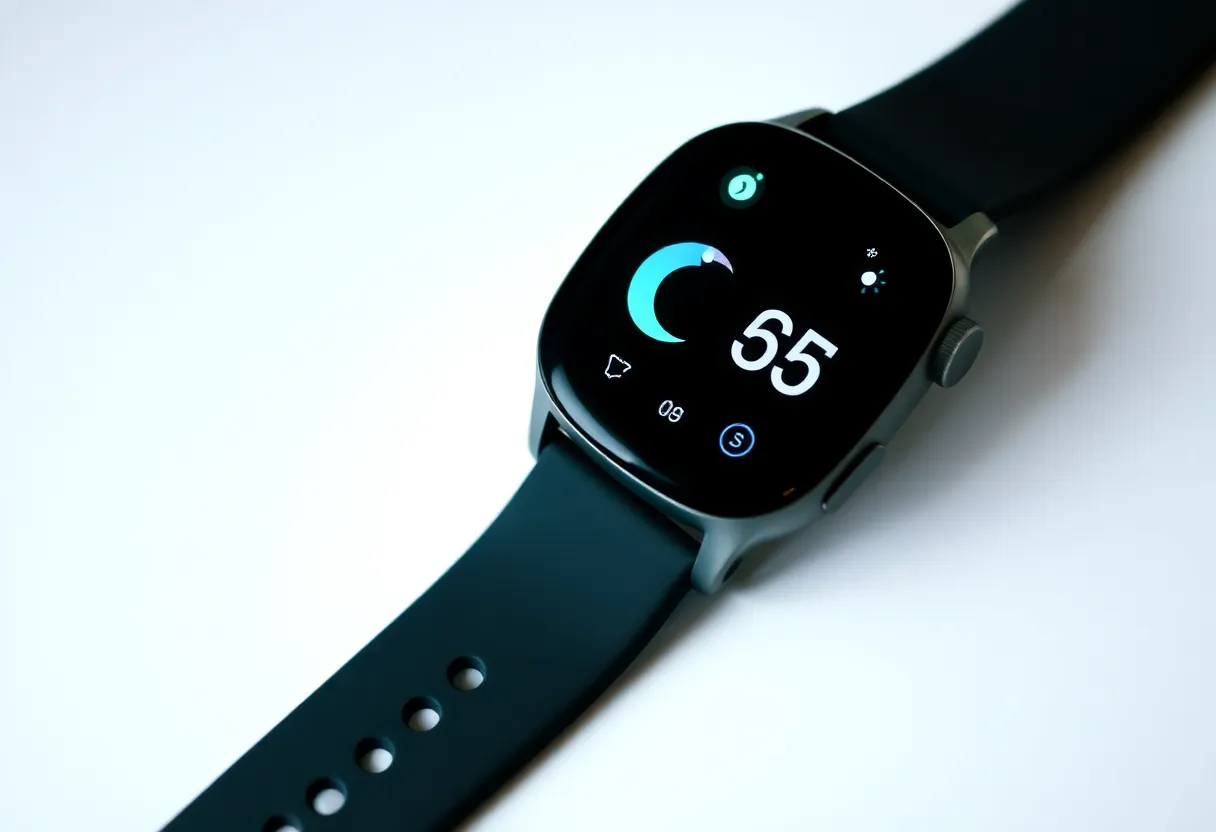
Consumer sleep trackers rely on sensors that detect movement, heart rate, and sometimes heart-rate variability (HRV). From that, algorithms infer sleep stages: light, deep, REM. The problem is that sleep staging is traditionally defined by brain activity—electroencephalography (EEG)—which requires electrodes on the scalp. No wrist device does that. So your watch is guessing. It’s looking at motion (still = asleep?), pulse (slower = deeper sleep?), and patterns that correlate with lab-measured sleep in population studies. For you as an individual, the correlation can be off by a lot.
Studies have shown that consumer wearables are reasonably good at telling asleep from awake over a full night—they’re not useless. But when it comes to breaking down “deep” vs “light” vs “REM,” accuracy drops. Different devices and algorithms disagree with each other, and none of them match a proper polysomnography (sleep lab) reading beat for beat. So when your watch says you got only 20 minutes of deep sleep, take it as a rough signal, not a medical fact. The trend over time (better or worse than your baseline) is often more useful than a single night’s breakdown.
Where the Gaps Are
Wearables miss a lot. They don’t reliably capture brief awakenings—the kind that leave you feeling groggy even if you “slept eight hours.” They can struggle with people who move a lot in sleep or who have irregular rhythms. They don’t measure sleep quality in the sense of how restorative your sleep was; they’re inferring structure from physiology. And they can’t tell you why you slept poorly—whether it was caffeine, stress, noise, or light. So you get a number, but not always a diagnosis or a clear action.
Another issue: the act of tracking can change behavior. Some people become anxious about their scores, which can worsen sleep. Others optimize for the metric—going to bed earlier to get “more hours”—instead of listening to their body. The device becomes the authority, and the goal shifts from “I feel rested” to “I hit my target.” That’s not always healthy. Sleep is ultimately subjective in important ways; how you feel in the morning matters as much as what the graph says.
What’s Still Useful
Despite the caveats, wearables can help. They’re good at showing patterns: late nights, inconsistent bedtimes, or weekends that look very different from weekdays. They can flag that you’re sleeping less than you thought, which might prompt you to protect your schedule. And for people who don’t have access to a sleep lab, a rough picture of sleep duration and consistency is better than nothing—as long as you don’t over-interpret the stage breakdown.
If you use a sleep tracker, treat it as one input. Compare it to how you feel: energy, mood, focus. If the numbers and your experience line up, the data might be meaningful for you. If they don’t—you feel great but the score is “poor,” or you feel terrible but the score is “good”—trust your body and consider that the algorithm might be wrong. Use the tracker to spot trends and triggers (alcohol, late screens, travel), not to grade yourself every morning.
When to Be Skeptical
Be wary of claims that a wearable can replace a sleep study for diagnosing disorders like sleep apnea or insomnia. Those conditions need proper assessment. Also be skeptical of “recovery” or “readiness” scores that mix sleep with HRV and activity—they’re composite algorithms that can feel authoritative but are still estimates. And if tracking is making you stressed or obsessive, it’s okay to take a break. The goal is better sleep, not a perfect score.
Conclusion
Wearables get a lot wrong about sleep because they’re measuring movement and heart rate, not brain activity. Use them for trends and consistency, not for precise sleep staging or medical conclusions. Pair the data with how you actually feel, and don’t let the number on your wrist override your own sense of whether you’re rested. When used with the right expectations, sleep trackers can be a useful nudge—but they’re not the final word on your sleep.