Why DIY EV Conversions Are Still a Niche (And When They Make Sense)

Jordan Lee
February 26, 2026
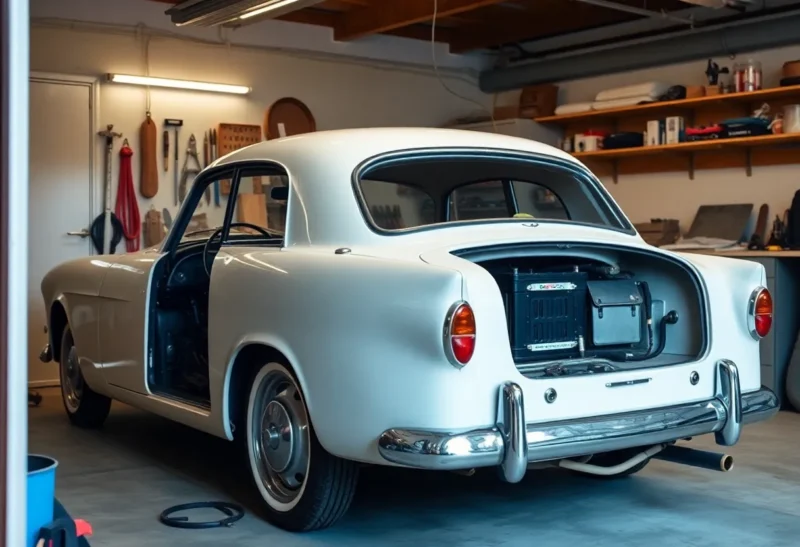
Turning a gas car into an electric one in your garage has a certain appeal: you keep a classic or a favorite chassis and drop in a battery and motor. It’s been possible for years, and kits and guides are easier to find than ever. But DIY EV conversion is still a niche. It’s expensive, time-consuming, and often runs into regulatory and safety hurdles. Here’s why it stays that way—and when it still makes sense.
The Cost Reality
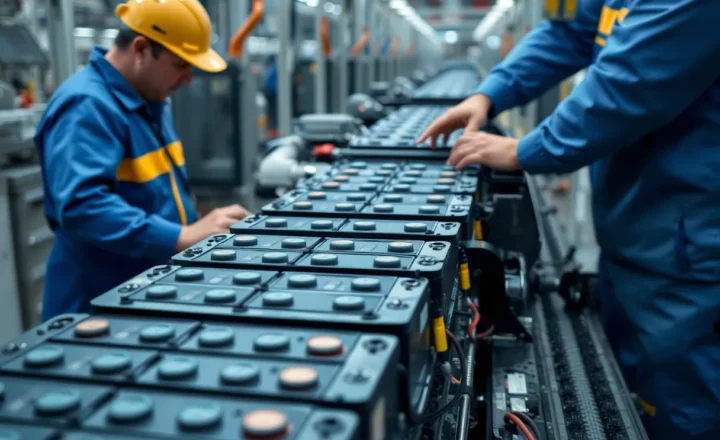
A proper conversion isn’t cheap. You need a battery pack, motor, controller, adapter plate, and often a new or modified drivetrain. Sourcing used parts from wrecked EVs can cut costs, but quality and compatibility are inconsistent. New components from conversion suppliers add up quickly—often $15,000 to $30,000 or more for a complete drivetrain, before labor and fabrication. If you’re paying a shop to do the work, the total can approach or exceed the price of a used production EV. For most people, buying a used Bolt, Leaf, or similar is the rational choice. DIY conversion is for people who want a specific car—a classic, a lightweight platform, or a project—and are willing to pay a premium for that.
Time and Skill
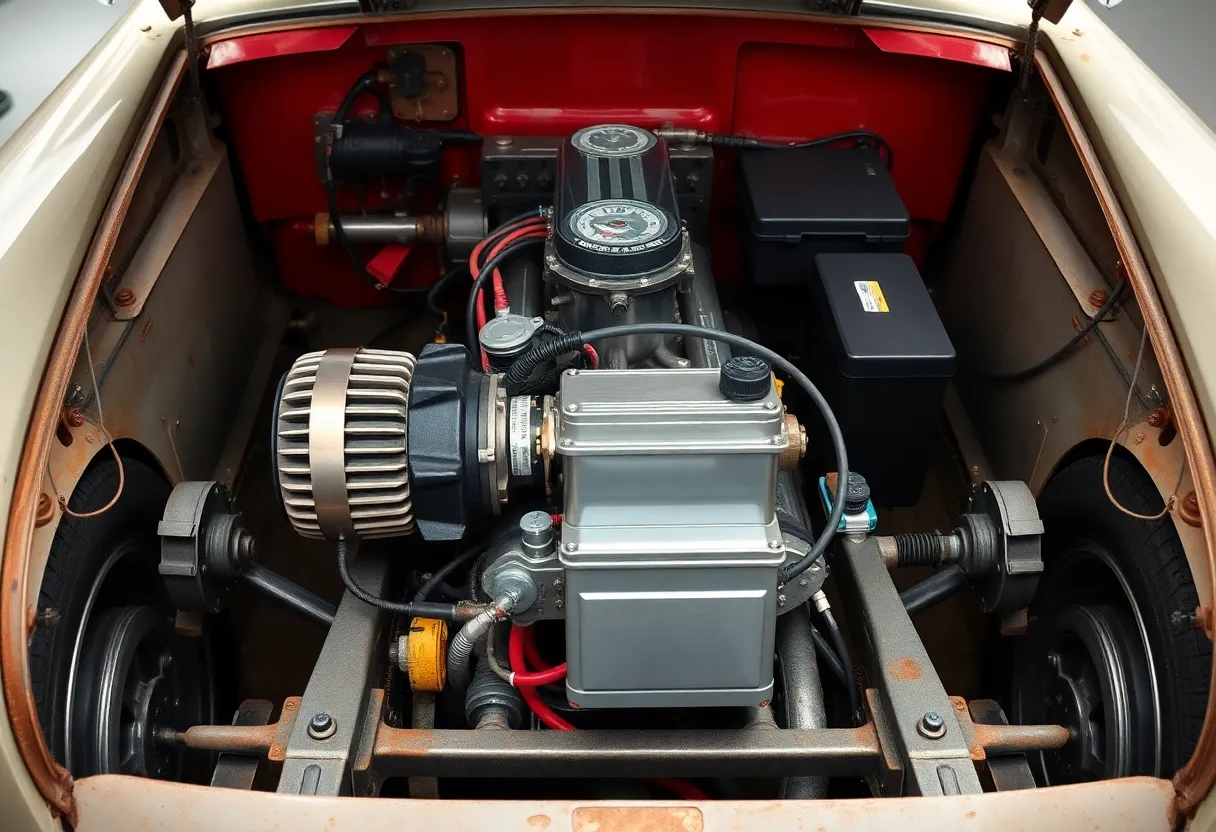
Even with a kit, a conversion is a major project. You’re doing mechanical work, high-voltage electrical work, and often fabrication. Mistakes can be dangerous—high-voltage DC is not forgiving—and getting everything integrated, safe, and street-legal takes hundreds of hours. Most people don’t have the skills, space, or time. Those who do are often enthusiasts who treat it as a hobby or a one-off build. That keeps the community small and the knowledge scattered across forums and a handful of shops.
Regulation varies by region. Some places allow converted vehicles on the road with minimal paperwork; others require engineering sign-off, emissions exemptions, or safety inspections that are hard to pass for a home-built EV. Navigating that is part of the project and another reason conversions stay niche.
Choosing the Right Donor
Not every car is a good candidate. Lightweight, rear-wheel-drive cars with simple drivetrains are often easier: less weight to move, simpler adapter solutions, and more room for batteries. Pickups and older sedans with a straight frame and space under the hood or in the trunk are common choices. Heavy SUVs and front-wheel-drive cars with cramped engine bays add complexity and cost. The best donor is one you can actually work on, with good parts availability and a community that has already documented a similar conversion. Forums and conversion suppliers often list proven platforms—start there before you buy a donor.
When It Does Make Sense
DIY conversion can still be worth it in specific cases. If you have a classic or a lightweight car you love and you want it electric, conversion may be the only way to get that combination. If you’re a skilled hobbyist with space and time, the project itself can be the goal. Some people convert for the learning experience or to keep a car that would otherwise be scrapped. And in regions where used EVs are scarce or expensive, conversion can sometimes pencil out for the right donor vehicle.
The Bottom Line
DIY EV conversion is still a niche because of cost, time, skill, and regulation. For most people, a used production EV is the smarter move. But if you want a specific car electrified, have the skills and budget, and are willing to put in the work, conversion can make sense. Just go in with your eyes open: it’s a project, not a shortcut to a cheap EV.