MVP Strategy When You’re Not a VC-Backed Startup

Devon Walsh
February 26, 2026

MVP advice is everywhere—ship fast, learn fast, iterate. But most of it assumes you have funding, a team, or at least a runway to burn. When you’re bootstrapping, working solo, or building on the side, the same playbook can break you. Here’s how to think about MVP strategy when you’re not a VC-backed startup.
Why the Standard MVP Playbook Doesn’t Fit
VC-backed MVPs are designed to test big hypotheses fast: Will this market care? Can we scale? The goal is to learn and then pour fuel on whatever works. That means shipping rough, spending on growth, and accepting high burn. When you’re self-funded or part-time, you don’t have that luxury. You need something that can sustain itself—or at least not drain you—while you learn. Your MVP isn’t just a experiment; it’s your first real product and possibly your only revenue source for a long time. So “minimum” has to mean “minimum that can actually sell or retain users,” not “minimum that might validate an idea in six months.”
Define “Viable” for Your Situation
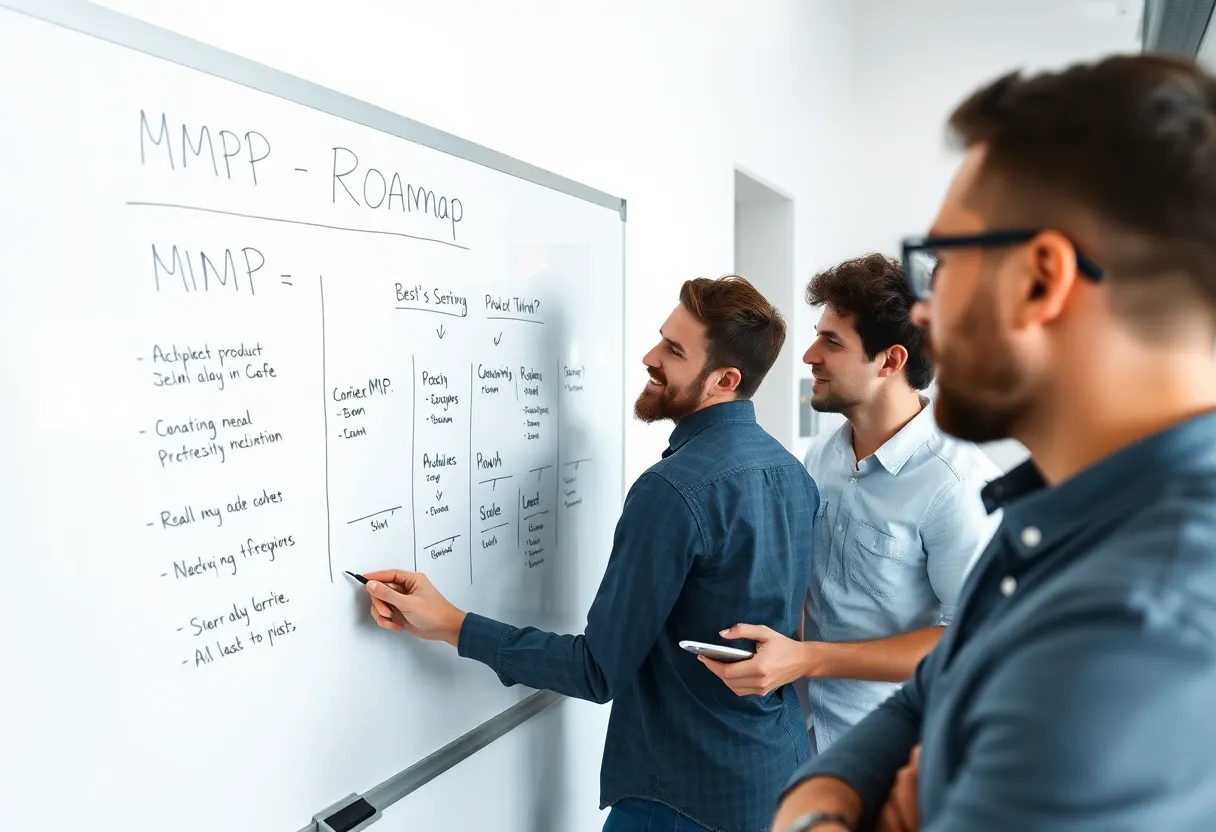
Viable means different things depending on your goal. If you need revenue to survive, viable is “someone will pay for this.” If you’re building a side project, viable might be “this is useful enough that people keep using it and tell others.” If you’re testing an idea before going all-in, viable is “this proves or disproves the core assumption.” Write down what “viable” means for you—revenue, retention, feedback, or something else—and design the minimum product that gets you there. Don’t copy the “launch in a weekend” approach if your market expects polish; don’t overbuild if your goal is just to learn.
Scope Hard, Then Cut Again
List everything you think the MVP needs. Then cut half. Then cut again. The features that survive should be the ones that directly support your definition of viable. Everything else is V2. It’s tempting to add “just one more thing” so it feels complete—auth, billing, onboarding, analytics—but each addition delays launch and increases the chance you never ship. Ship with the smallest set that lets you learn or earn. You can add the rest when you have real feedback or revenue.
Revenue and Pricing from Day One
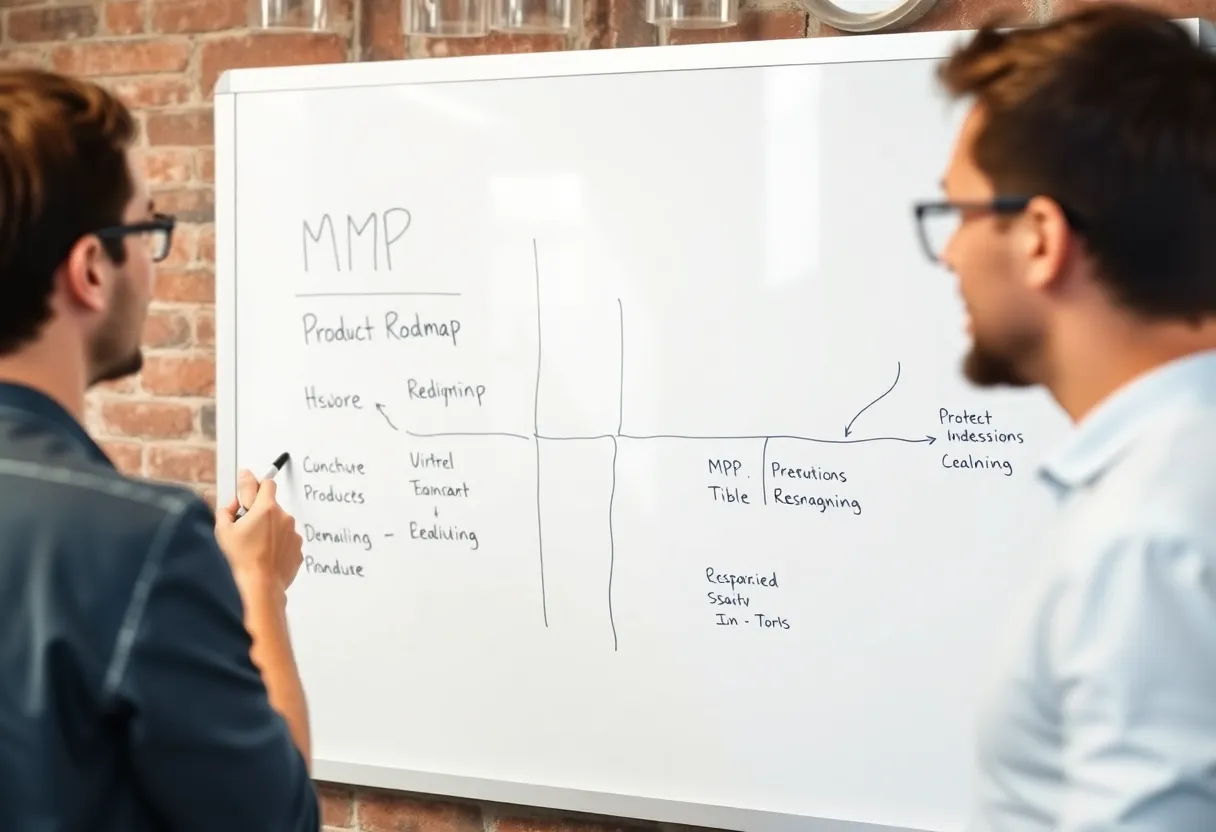
If you’re bootstrapping, revenue isn’t optional—it’s part of the MVP. That doesn’t mean you need a full billing system on day one, but you need a path to money: a waitlist that converts to paid, a simple checkout, or a clear “pay here” moment. Pricing is part of the product. Test it early. Even a “pay what you want” or a single fixed price tells you whether anyone values what you built. Leaving money for “later” often means never—and without revenue, you can’t afford to iterate.
When to Slow Down
VC-style MVPs optimize for speed. Your MVP might need to optimize for sustainability. That can mean spending a bit more time on quality so you don’t have to redo everything after the first 10 users. It can mean building in public or in a community so you have early feedback without a big launch. It can mean choosing a niche so small that a rough product still wins because no one else is serving it. Slower and smaller can be the right trade when you’re not playing the scale-at-all-costs game.
The Bottom Line
When you’re not VC-backed, your MVP is not a throwaway experiment—it’s the foundation of something that has to work with the resources you have. Define viable for your situation, scope aggressively, and build revenue into the plan from the start. Ship the minimum that can actually sustain or validate. The rest can wait.