Materials Science in Everyday Tech: What’s Actually Trickling Down

Daniel Voigt
February 26, 2026

Headlines love “breakthrough” materials: lab results that promise lighter batteries, stronger glass, or self-healing coatings. Most of that stays in the lab for years. But some of it does eventually reach the stuff we use every day—phones, cars, appliances. The gap is understanding what’s actually trickling down, and how long it takes.
Materials science moves slowly from discovery to product. What you’re holding or driving today is often the result of research that started a decade or more ago. Here’s what’s really making it into everyday tech, and what’s still mostly hype.
Glass and Displays: Where You See It Most
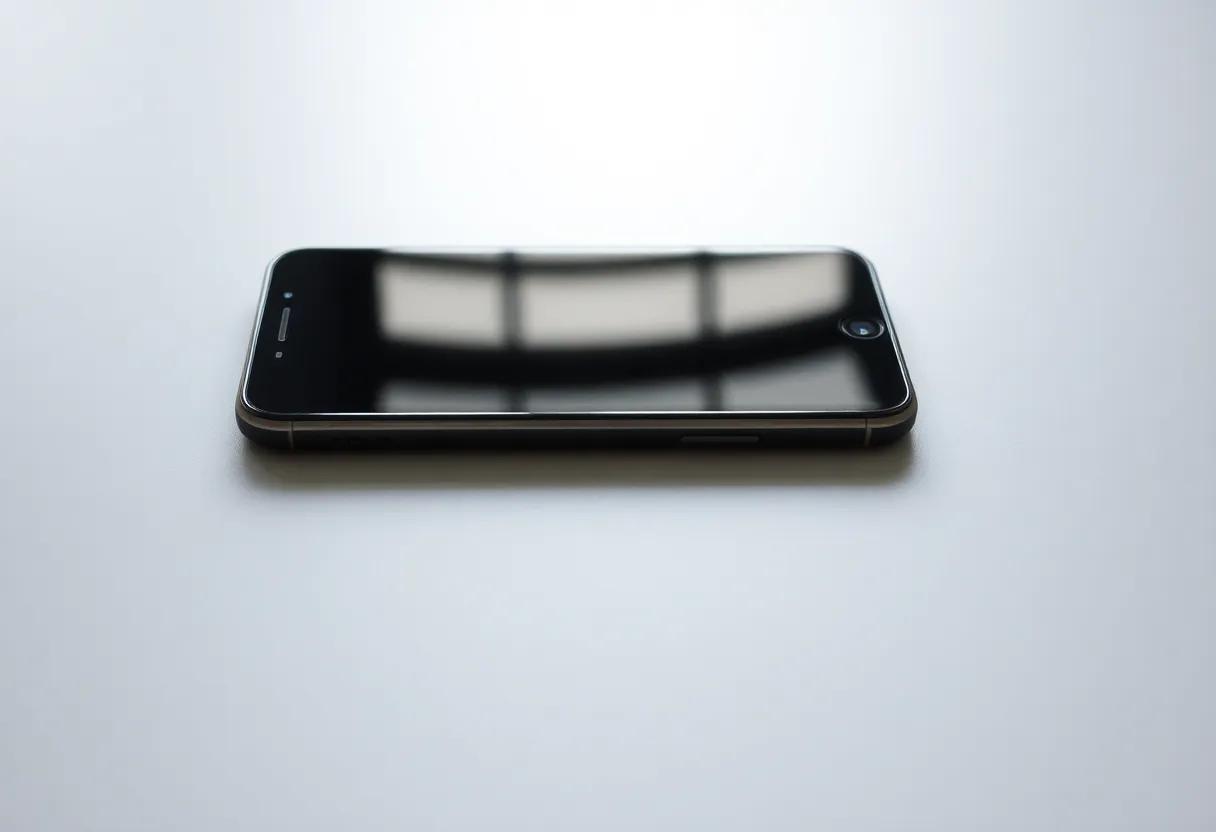
One of the clearest examples of materials science in consumer tech is display glass. Chemically strengthened glass—Gorilla Glass and its competitors—has been iterating for over a decade. Each generation tweaks the composition and the ion-exchange process to improve scratch resistance and drop performance. You don’t see the formula; you see phones that survive more drops and screens that stay clearer longer. That’s materials science in action: same basic idea (strengthen the surface layer), better chemistry and process.
OLED and the shift toward flexible and foldable displays are another example. The materials that emit light and the layers that protect them have been refined over years. Better barrier layers mean less moisture and oxygen getting in, so screens last longer. The “trickling down” here is that premium phone features—thinner, brighter, more efficient displays—eventually show up in mid-range devices as production scales and costs drop.
Batteries: The Slow Revolution
Battery tech is where the gap between lab and reality is most frustrating. News stories announce new chemistries and “10x capacity” regularly. What actually reaches your phone or your car is usually incremental: better lithium-ion formulations, improved anodes or cathodes, and manufacturing that packs more energy into the same volume. Solid-state and other next-gen batteries are still in pilot production or lab stage for most applications. What’s trickling down today is better energy density and cycle life within the existing lithium-ion family, not a whole new chemistry.
For EVs and grid storage, the same story holds. New cathode materials (e.g. high-nickel NMC, LFP) have moved from research to production over the past decade. You get more range and cheaper packs, but it’s evolution, not revolution. The “breakthrough” headlines are often years ahead of what you can buy.
Coatings and Surfaces
Water-repellent and oleophobic coatings on phones and watches are another quiet win. The chemistry that makes glass and metal resist fingerprints and water has improved over time. So have anti-reflective and anti-glare treatments on screens. You might not think “materials science” when you wipe your phone, but the durability and clarity of those layers come from years of R&D in thin films and surface treatment.
Same for thermal management. Phase-change materials, better heat spreaders, and improved thermal interface materials show up in laptops and phones so they can run faster without overheating. It’s less visible than a new chip, but it’s what lets the chip actually perform.
What’s Not Trickling Down (Yet)
Plenty of lab-stage materials haven’t reached everyday tech in a meaningful way. Graphene has been “about to change everything” for years; outside of some niche applications (e.g. certain composites, sensors), it’s not in your phone or car yet. Many solid-state battery designs are still in development. Self-healing materials for consumer electronics are mostly experimental. Carbon nanotube and other nano-structured materials show up in a few high-end or industrial applications but not in mass-market gadgets.
That doesn’t mean they never will. It means the path from paper to product is long. Scaling production, ensuring reliability, and meeting cost targets take years. What’s “trickling down” today is often the previous decade’s research finally hitting volume.
Semiconductors and Packaging
Beyond batteries and glass, materials science shows up in how chips are built and packaged. New dielectric materials, metal interconnects, and packaging substrates enable smaller, faster, and more power-efficient processors. Advanced packaging—stacking dies, embedding components—relies on new materials for thermal and electrical performance. You don’t buy “better packaging” directly; you buy a laptop or phone that’s thinner, cooler, or more capable. The materials work is invisible but essential. Each node shrink and each packaging innovation depends on materials that can handle heat, current, and mechanical stress at scale.
How to Read “Breakthrough” Headlines
When you see a headline about a new battery chemistry, a stronger alloy, or a novel coating, ask: Is this in a lab, in pilot production, or in products you can buy? Lab results are important—they set the direction—but they’re often a decade or more from your pocket. What’s actually trickling down is the previous generation of that research: proven, scaled, and cost-reduced. Keeping that timeline in mind makes it easier to appreciate the real progress in everyday tech without expecting every headline to turn into a product next year.
Why It Matters for How You Think About Tech
If you follow tech news, it helps to separate “lab breakthrough” from “shipping product.” The former is exciting; the latter is what actually changes your daily experience. Materials science in everyday tech is mostly incremental: better glass, better batteries, better coatings, better thermal management. The big jumps are rare and slow. Understanding that keeps expectations realistic—and makes the real progress that does trickle down easier to see.