The Best Budget Tech Under $50 That Actually Holds Up in 2026

Tyler Marsh
February 26, 2026
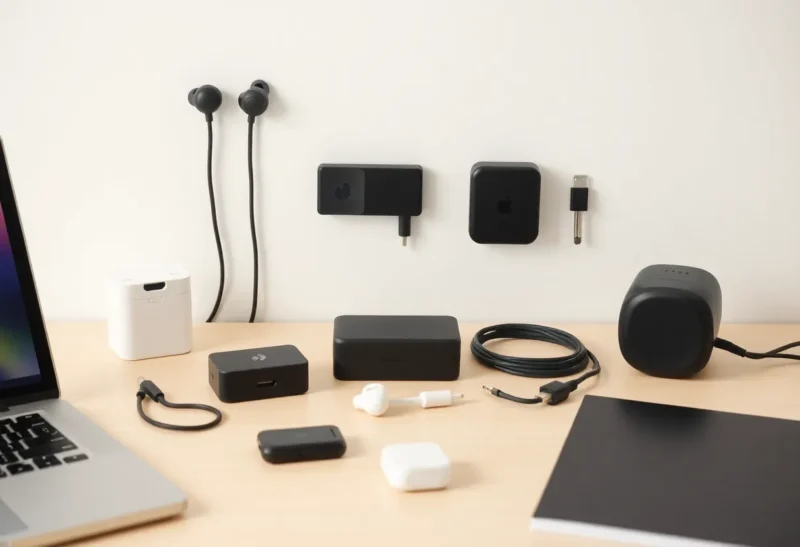
Spending less on tech doesn’t have to mean settling for junk. In 2026, the under-$50 category is packed with options that do one or two things well and last long enough to feel like a real buy—not a throwaway. Here’s what actually holds up.
Why Budget Tech Is Better Than It Used to Be
Cheap electronics used to mean flimsy plastic, mystery brands, and a six-month lifespan. That’s still true for the very bottom of the barrel, but the middle of the budget segment has improved. Competition from Chinese brands, better manufacturing, and the spread of USB-C and standard protocols mean you can get capable hardware without paying a premium. The trick is knowing where to look and what to avoid.
Stick to categories where the technology is mature: cables, chargers, basic earbuds, simple power banks, and desk accessories. Avoid ultra-cheap smartwatches, no-name tablets, and anything that promises “AI” or “premium” at a fraction of the price. Those are usually disappointing. The goal isn’t to find the absolute cheapest option—it’s to find the cheapest option that still does the job reliably. That often means spending $25–40 instead of $12, and the difference shows up in longevity and daily use.
Cables and Chargers That Don’t Die in a Year
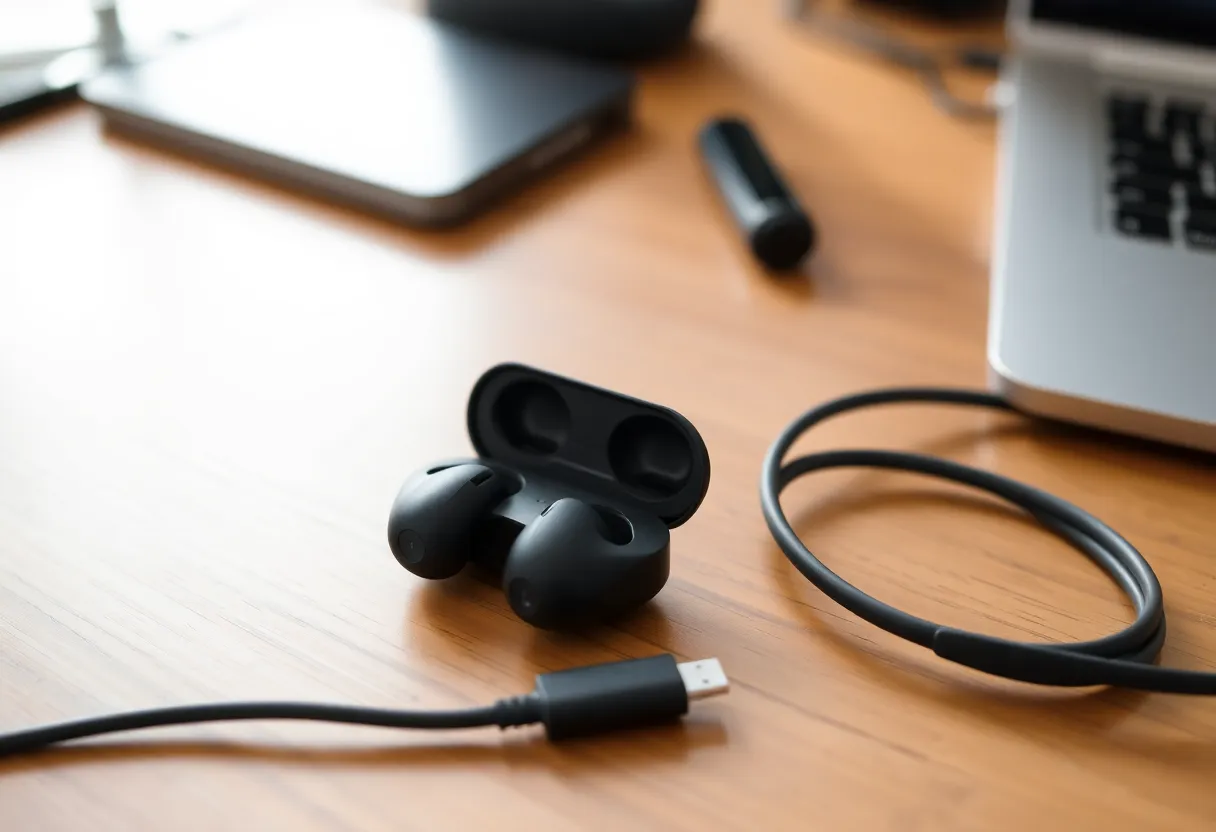
USB-C cables and GaN chargers have gotten cheap enough that there’s no reason to buy the sketchy dollar-store kind. Brands like Anker, Ugreen, and Baseus sell reliable USB-C and Lightning cables in the $10–20 range that survive daily use and actually meet the specs they claim. A 30W or 65W GaN wall charger in the $25–40 range can power a phone, tablet, and laptop without overheating or failing. Buy from a known brand and you’ll get something that lasts years instead of months.
Skip the no-name cables that claim 100W or 240W for $5. They often can’t sustain the current, and the data lines are hit-or-miss. Pay a few dollars more and you get proper power delivery and data transfer. For under $50 you can easily get a solid two-port GaN charger and a couple of braided USB-C cables that will outlast most of your other accessories. Cable quality is one of the easiest wins in the budget category: the gap between a $8 cable and a $25 cable is huge, while the gap between a $25 cable and a $50 cable is often small. Aim for the middle.
Earbuds Under $50: What You Actually Get
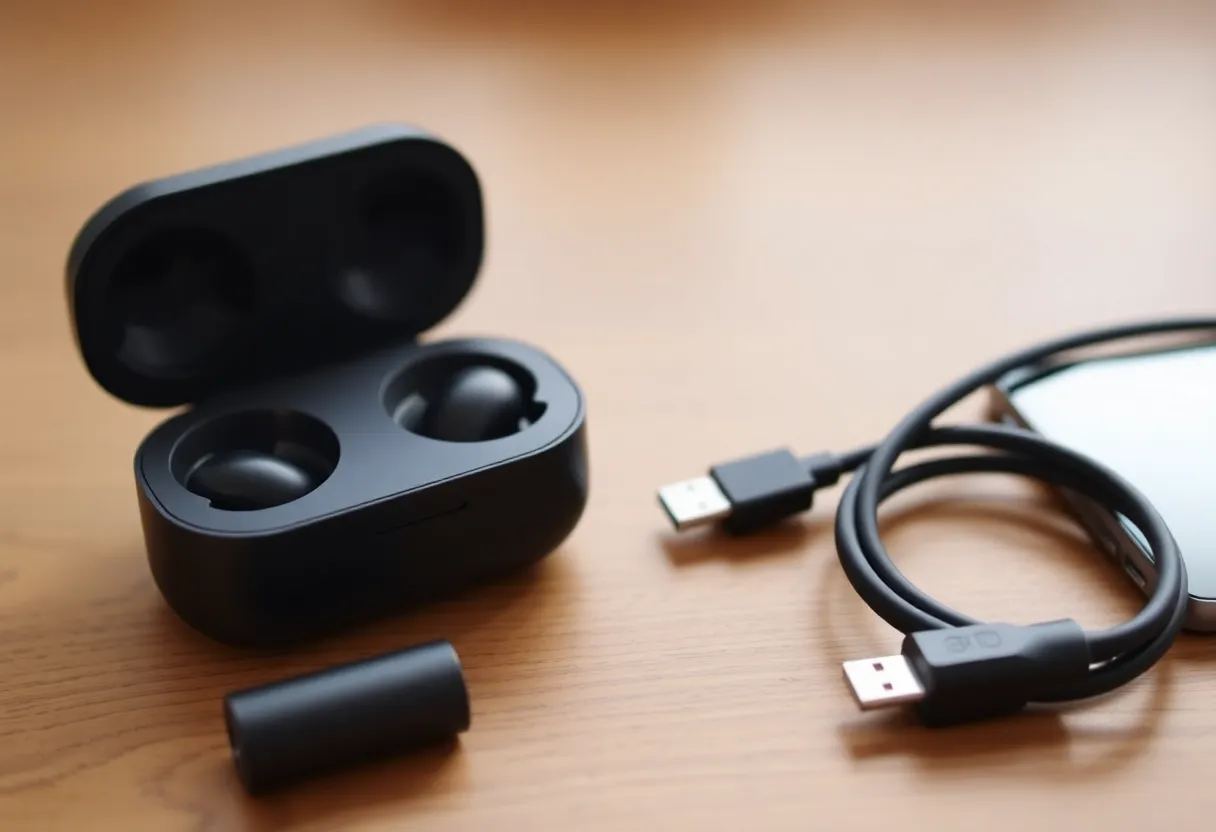
Wireless earbuds in the $30–50 range have improved a lot. You won’t get flagship ANC or perfect fit for everyone, but you can get decent sound, reliable Bluetooth, and a case that holds a charge. Brands like SoundPEATS, EarFun, and 1More offer models that rival mid-tier options from a few years ago. Battery life is usually fine for a day of use, and build quality is good enough that they don’t fall apart in six months.
The main trade-offs are ANC (weak or absent), transparency mode (basic or missing), and app support (limited). If you mainly need something for calls, podcasts, and casual music, budget earbuds are a fair choice. Avoid the absolute cheapest tier—the $15–20 segment is where quality drops off and connection issues and short lifespans become common. Fit and comfort vary more at this price point, so check return policies. A pair that stays in your ears and doesn’t hurt after an hour is worth more than one that sounds slightly better but falls out or gives you ear fatigue.
Power Banks and Desk Basics
A 10,000–20,000 mAh power bank from a reputable brand typically runs $25–45. That’s enough to keep a phone and maybe a small device topped up for a day or two. Look for USB-C in/out and at least 18W or 20W output so you’re not waiting forever to charge. Avoid the giant 50,000 mAh no-name bricks that promise the moon—they’re often overweight, slow, and prone to early failure.
Desk accessories are another area where budget options shine. A basic USB hub, a simple monitor light bar, or a keyboard wrist rest in the $20–40 range can improve daily use without breaking the bank. Stick to brands that have been around for a few years and have real reviews. The “Amazon special” that appeared last week with 50 five-star reviews is a gamble. Webcams in the $30–50 range have also improved: 1080p and decent low-light performance are achievable without spending three figures. If you’re on video calls all day, a budget webcam plus good lighting will beat an expensive camera in bad light.
What to Skip Under $50
Smartwatches under $50 are mostly toys. Battery life and sensors are weak, and software support is nonexistent. If you want a wearable, save up or go for a used older model from a known brand. Same story for budget tablets: the very cheap Android tablets are slow, poorly supported, and frustrating for anything beyond video. A used iPad or a last-gen Fire tablet on sale will serve you better.
Gaming peripherals at this price can be okay for casual use, but “gaming” keyboards and mice at $20–30 are often no better than standard office gear with RGB. If you’re serious about input devices, the sweet spot is usually $50–80. Below that, you’re often paying for looks, not performance. Printer and scanner combos under $50 are another false economy: they’re slow, ink costs add up fast, and reliability is poor. For occasional printing, a print service or a slightly more expensive machine will save money and frustration over time.
Where to Buy and What to Watch For
Stick to retailers with clear return policies and real customer reviews. Amazon, AliExpress, and direct brand sites all have decent budget options, but quality control varies. Read reviews that mention durability and long-term use, not just “works out of the box.” Counterfeit and clone products are common in cables and chargers—buy from the brand’s store or an authorized seller when you can. A fake “Anker” cable might look the same but won’t have the same safety and reliability. When in doubt, pay a few dollars more for a known-good part.
The Bottom Line
Under $50, focus on single-purpose items from brands you’ve heard of: cables, chargers, basic earbuds, and simple power banks. Avoid the cheapest tier and anything that overpromises. In 2026, that approach gets you tech that actually holds up—and that’s the best kind of budget buy.