Private Space Companies: Who’s Actually Delivering and Who’s Not

Robin Hayes
February 26, 2026
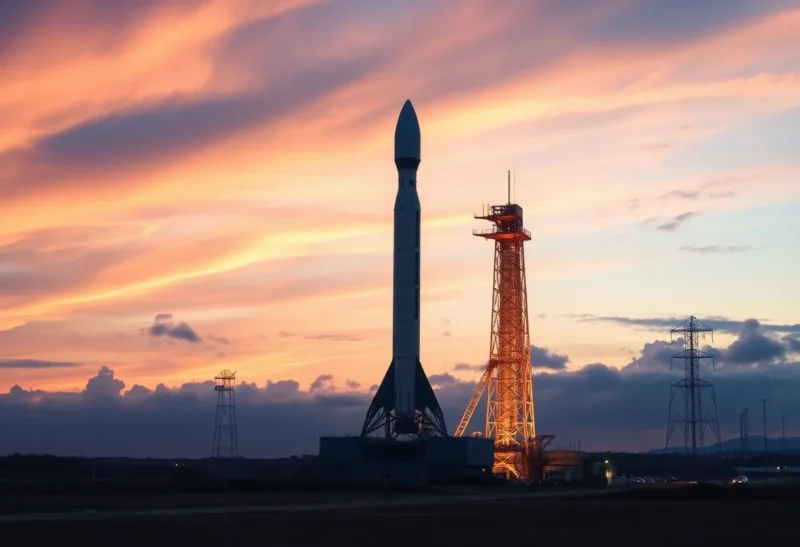
The last decade turned “private space company” from a curiosity into a crowded field. Some names deliver payloads and crew on a regular schedule. Others have been long on promises and short on orbit. Here’s a clear-eyed look at who’s actually delivering in 2026 and who’s still catching up or falling behind.
The Heavy Lifters
SpaceX remains the dominant player. Reusable Falcon 9 and Heavy fly often, and Starship is moving from test flights toward operational use. If you need something to orbit—or to the Moon under NASA’s Artemis program—SpaceX is the one with a track record and cadence. That doesn’t mean they’re perfect: timelines slip, and Starship’s full reuse and human-rating are still in progress. But for launch frequency and proven reuse, they’re in a league of their own.
Rocket Lab has carved out a solid niche in small launch. Electron is reliable for dedicated small-sat missions, and Neutron, their larger vehicle, is aimed at constellations and medium payloads. They’re not trying to out-SpaceX SpaceX; they’re serving a different segment and doing it with a clear product and real launches. That’s delivery.

The Constellation Operators
SpaceX’s Starlink is the obvious example of a private company operating a large satellite constellation and generating revenue from it. OneWeb is in service with a different architecture and customer base. Amazon’s Project Kuiper is deploying and aiming to compete in broadband-from-space. These aren’t just launch providers—they’re building and running the infrastructure. That’s a different kind of “delivering”: not just getting to orbit, but keeping a business in orbit.
The economics are still being proven. Starlink is revenue-positive in many regions; others are earlier in the cycle. But the trend is clear: private capital is building real assets in space, not just one-off missions.
Who’s Catching Up or Struggling
Several well-known names are still in the “prove it” phase. Blue Origin has flown New Shepard for suborbital tourism and is developing New Glenn for orbital launch. Until New Glenn flies regularly and wins contracts, they’re in the “potential” bucket. Relativity Space pivoted from 3D-printed Terran to a larger vehicle; they’re innovative on manufacturing but haven’t established the same launch cadence as the leaders. Firefly and others are making progress on small and medium launch but aren’t yet at the scale of the top players.
Then there are the ones that didn’t make it. Virgin Orbit and others have folded or been absorbed. That’s a reminder: private space is still a hard business. Cool tech and big announcements don’t equal sustainable delivery.

How to Tell Who’s Delivering
Look at launch history and manifest. How many times did they fly in the last 12–24 months? What’s on the calendar? Who has paying customers and repeat business? Companies that deliver have a rhythm: they fly, they iterate, they fly again. The ones that don’t deliver keep announcing new vehicles and slipping dates.
Also look at what “delivery” means for each. For a launch provider, it’s getting payloads to orbit on time and on cost. For a constellation operator, it’s coverage, reliability, and revenue. For a human spaceflight company, it’s safe flights and a path to sustainability. Judge each by what they claim to do.
The Bottom Line
Private space in 2026 has a clear tier of companies that are actually delivering: SpaceX for heavy and frequent launch (and Starlink), Rocket Lab for small launch, and a handful of constellation operators building real networks. Others are in development or recovery. The gap between “we’re building something” and “we fly it regularly and customers depend on it” is still the one that matters. Watch the manifest and the flight rate—that’s where you see who’s real.