The Case for a Dedicated Streaming Box Instead of Your Smart TV

Reed Kim
February 25, 2026
Your TV is smart. It has Netflix, Disney+, and a dozen other apps built in. So why would you plug in another box? Because the “smart” in your smart TV is often the worst part of the setup—slow, ad-heavy, and abandoned by the manufacturer the day after you buy it. A dedicated streaming box isn’t redundant; it’s an upgrade that turns your display back into a display and puts someone else in charge of the software.
The Smart TV Problem
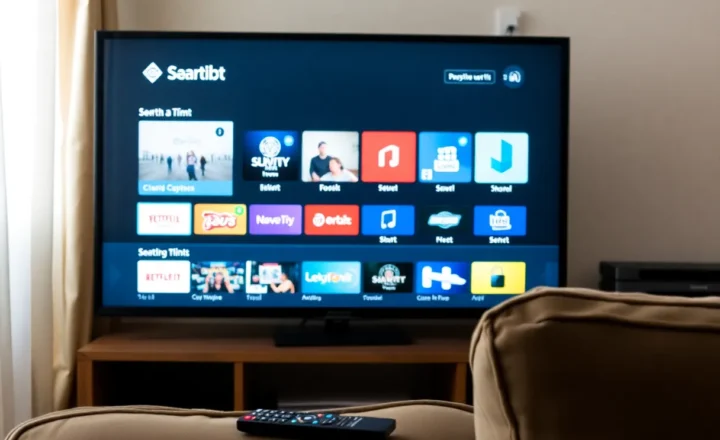
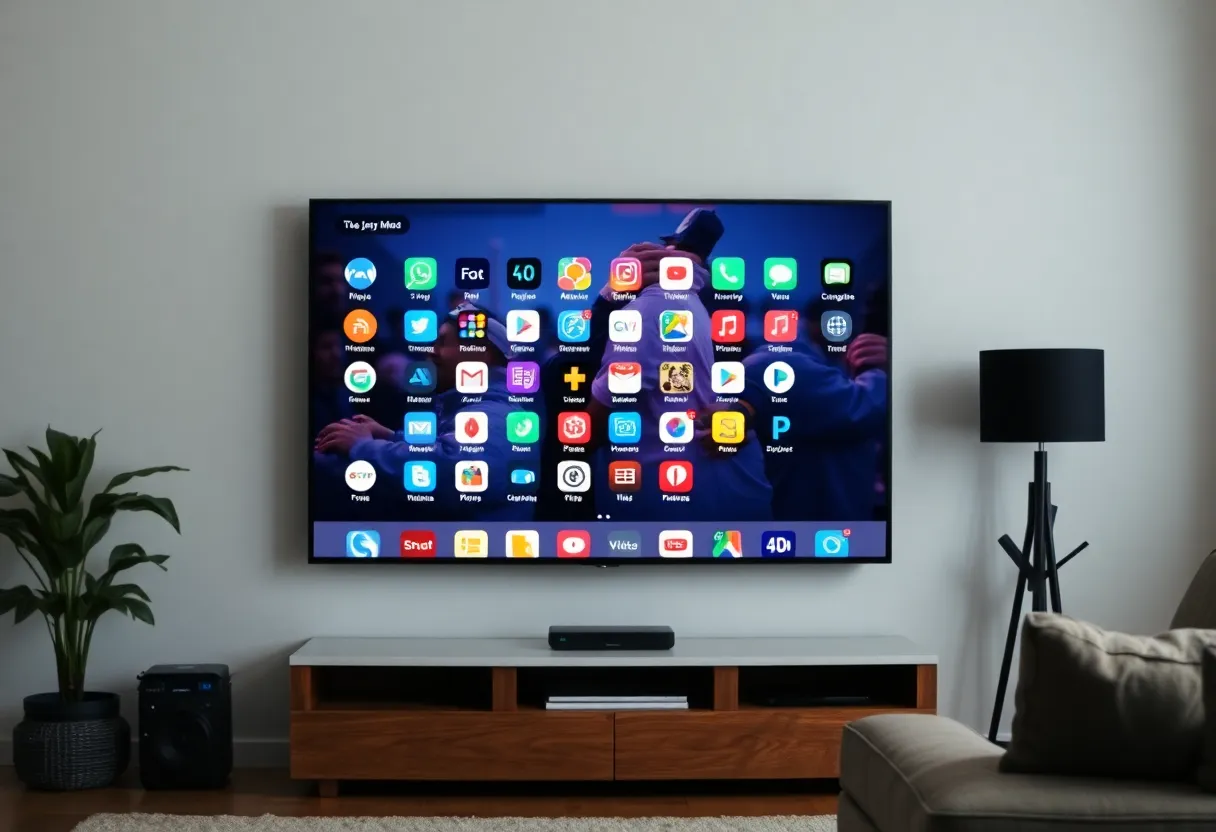
Built-in smart platforms—Tizen, webOS, Android TV, or whatever your set runs—tend to age badly. The processor was chosen for cost, not performance. The interface gets cluttered with promoted content and ads. Updates slow down or stop after a couple of years while the hardware keeps running. You’re left with a 4K panel that still works and a brain that feels like it’s from 2019.
Worse, you don’t control the software. The manufacturer and their partners decide what’s on the home screen, what gets updated, and what gets deprecated. If a streaming app drops support for your TV’s OS version, you’re stuck. There’s no “upgrade the streaming part.” You either live with it or replace the whole set.
What a Dedicated Box Buys You
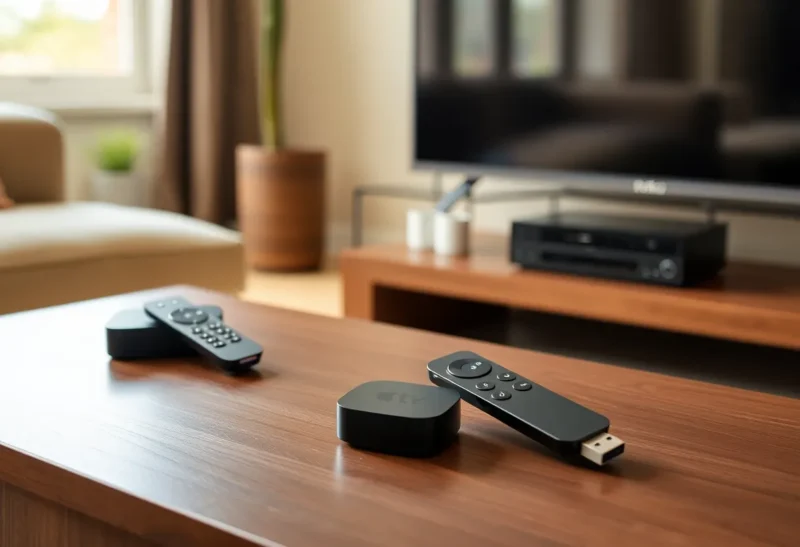
A Roku, Apple TV, Fire TV, or Chromecast with Google TV is a separate computer. It has its own processor, its own OS, and its own update cycle. When the box gets slow or unsupported, you replace a $50–$150 device, not a $800 TV. The TV becomes a panel again—you’re not throwing away a good display because the smart layer went bad.
You also get a consistent interface. Every app is designed for the same platform. Navigation, search, and profiles often work better than the fragmented experience on built-in smart systems. If you care about picture quality, high-end boxes like the Apple TV 4K support better codecs and more reliable frame-rate matching than many built-in solutions. You’re not at the mercy of whatever the TV vendor chose to implement.
Privacy and Control
Smart TVs are notorious for data collection. Built-in platforms often track what you watch, for how long, and sometimes even listen for voice commands. That data feeds into ad targeting and analytics. A dedicated streaming box from a company like Apple or Roku often comes with clearer privacy controls and less incentive to turn your viewing habits into a product. You can also disconnect the TV from the network entirely and use only the box for streaming—your display stays dumb, and the only device talking to the internet is the one you chose.
When the Built-In Is Good Enough
Some people don’t care. If you only watch one or two apps and the TV is fast enough, the convenience of “it just works” can outweigh the downsides. Budget matters too: adding a box is another purchase. For a secondary TV or a guest room, the built-in stack might be fine until it isn’t.
But for a primary living room setup—where you’ll use it for years—the math usually favors a dedicated streamer. The one-time cost of a good box pays off in speed, updates, and the option to swap the box instead of the TV when the software ages out. Your TV stays a display. The box is the appliance. That separation is worth it.
The Bottom Line
Smart TV software is a compromise: good enough to sell the set, not good enough to trust for the life of the panel. A dedicated streaming box puts streaming in the hands of a company that’s focused on it, gives you a upgrade path that doesn’t require buying a new TV, and often delivers a better experience for not much money. If your TV’s smart layer is already annoying you, or you’re buying a new set and want to keep your options open, skip the smart features and plug in a box. Your future self will thank you.